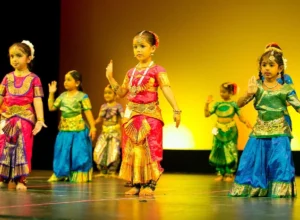
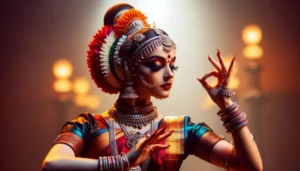
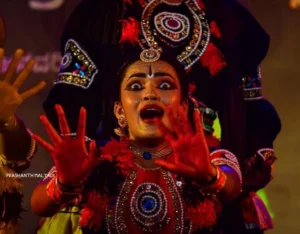
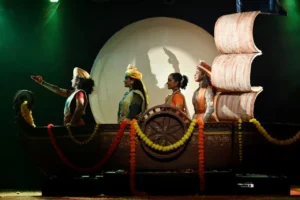
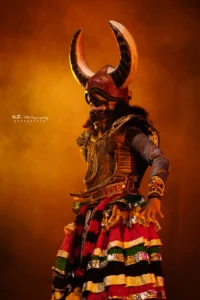
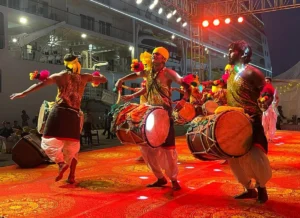
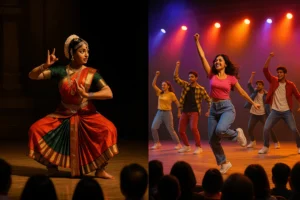
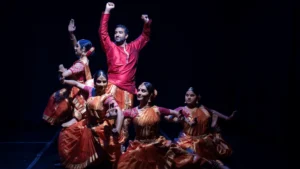
Indian traditional arts include an amazing variety of artistic expressions, ranging from beautiful Madhubani paintings, Warli paintings by tribals to dances such as Bharatnatyam and Kathak, ancient temple sculptures, and handloom cloth weaving. These are not just artistic interests but a representation of old Indian art that has a deep philosophical value and cultural significance.
In today’s era of globalization, one is concerned about losing this heritage. But in no way is it irrelevant in today’s scenario. It is essential for both its importance in preserving cultural heritage and providing economic prospects and creativity in today’s dynamic world.
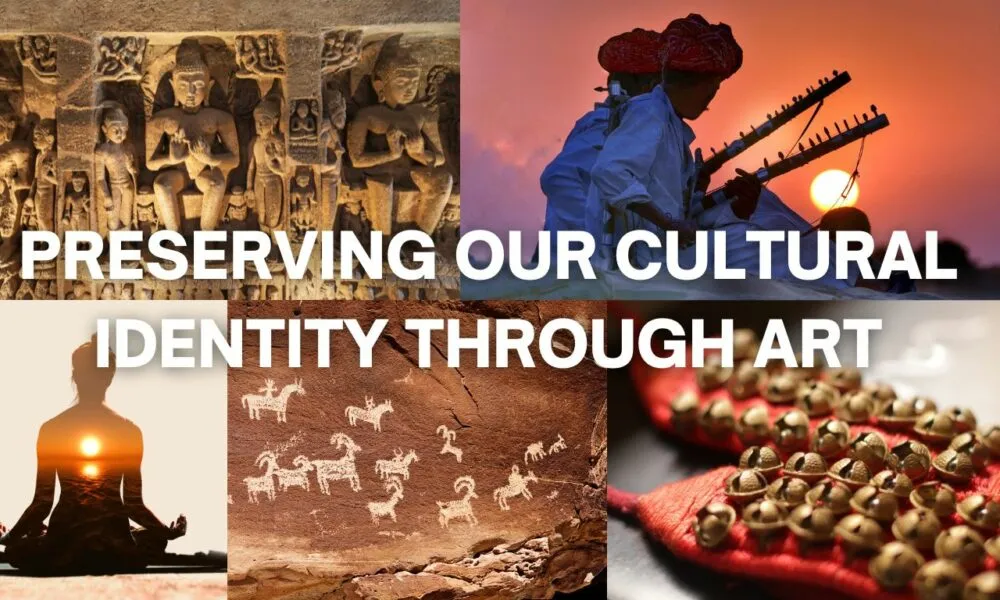
Why Traditional Arts Need Support in Modern Times
This problem is evident when one looks at the factors of urbanization, technological change, and changing consumer preferences. The artisans suffer from poor income levels, inability to reach the markets, and competition from the machine-reproduced items. The younger generation prefers jobs in the cities and other means of entertainment and, hence, avoids acquiring the skills.
In addition, there is the problem of environmental conditions and the limited availability of good-quality raw materials. In this manner, many cultural practices will be lost forever in India unless action is taken now. This is very important because without taking action, the heritage of India will be impoverished.
The Rich Tapestry of Ancient Indian Art Forms
Ancient Indian art traditions trace their origins back several thousand years. There is proof in the paintings on caves like those at Ajanta and Ellora, seals from the Indus Valley civilization, and the Vedas. These works were closely associated with religion, ecology, and everyday life. The statues in temples like Khajuraho and Konark illustrate expert craftsmanship through storytelling, honoring both human beings and gods.
Indigenous art forms like Gond painting, Pattachitra, and Kalamkari perpetuate mythology and ecology. If they are provided adequate recognition, they grow and sustain themselves over time.
Indian Culture and Heritage That lives Legacy Worth Protecting
Indian culture and heritage flourish when people take part in the arts. These traditional arts create strong links between the members of communities through festivals, marriages, and ceremonies. Moreover, these arts help improve psychological well-being as they offer opportunities for meditation and creation in an often hectic environment.
Additionally, these arts greatly support tourism and the economy. Handicrafts and performance arts provide employment to millions of people, mostly in rural India. In this way, people will pass on their culture and heritage from generation to generation.
Challenges Faced by Practitioners of Indian Traditional Arts
There are quite a few challenges facing artisans in the contemporary scenario. Poor digital skills hamper their chances of tapping into broader markets online. High commission by middlemen makes little profit available for artisans themselves. Moreover, the lack of branding and adequate infrastructure hampers the competitiveness of traditional crafts against cheaper alternatives.
The effects of climate change and urbanization affect raw material and dye supplies. This is the rationale behind why traditional arts should be promoted now more than ever before.
Cultural Traditions in India That Connects Generations Through Art
In India, culture is an integral part of tradition and holds great importance in society. Involvement in activities like learning classical dancing forms or crafts helps inculcate discipline and patience in children. Schools or cultural institutions that provide such opportunities work to counter the influence of global pop culture.
If nurtured properly, the tradition becomes adaptable in various ways, for instance, by blending traditional designs into modern fashion, which makes the arts of India attractive to other people.
The Economic and Social Benefits of Supporting Traditional Arts
Supporting traditional Indian arts has many benefits. It stimulates economic growth in rural areas, helps women gain skills as artisans, and encourages sustainability by using locally sourced natural products. Contributions can be made by governments, NGOs, and individuals through vocational training, fair trade, and supportive policies.
Socially, these arts foster inclusivity by celebrating diverse regional identities within the unified framework of Indian civilization. They also enhance soft power on the global stage, as international interest in Indian crafts and performances continues to grow.
Practical Ways to Support Indian Traditional Arts Today
Individuals can make a difference by purchasing authentic handmade products, attending live performances, and sharing stories on social media. Corporates might sponsor artisan clusters or workshops. Educational institutions should incorporate ancient Indian art forms into curricula.
Technology offers exciting opportunities too virtual reality tours of heritage sites or e-commerce platforms dedicated to crafts can expand reach while preserving techniques.
Conclusion:
The need to support Indian traditional arts arises from their profound role in shaping identity, economy, and creativity. In modern times, these arts offer an antidote to cultural erosion and a pathway toward more mindful living. By championing why traditional arts need support in modern times, society safeguards not just objects or performances, but the very spirit of Indian heritage and culture. Every effort counts, from buying a handcrafted item to advocating for better policies. Together, we can ensure that the luminous legacy of Indian traditional arts continues to inspire for centuries to come.
FAQs
Traditions need to be supported owing to increased competition with mass production, disinterest by the younger generation, and financial difficulties for the artists.
They function as living archives that preserve heritage, convey history and values, and strengthen unity across diverse regions.
Some famous Indian art forms are Madhubani painting, Warli painting, Tanjore painting, Bharatnatyam dance, Kathakali dance, temple construction, and handicrafts such as Bidriware and Pattachitra.
By buying authentic artifacts, witnessing performances, helping the artisan collectives, and teaching their children about their traditions in the form of educational programs.
It offers a unique identity to the people, promotes good mental health by channeling one’s creative energies, brings in revenues via tourism, and encourages innovation in various fields.