Indian dance is one of the most lively ways to express ancient Indian traditions. For thousands of years, it has used rhythmic movements, detailed hand gestures, and stories told through performance to keep legends, ideas, and values alive from one generation to the next. Unlike many other cultures that have lost their spoken and performed history, Indian dance keeps that history alive in a living form. It connects the past with the present and makes sure that preserving culture stays active and ever-changing, rather than just being something frozen in time.
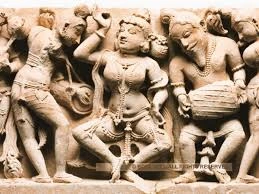
The Timeless Connection Between Dance and Mythology
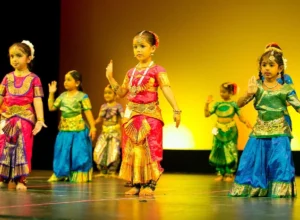
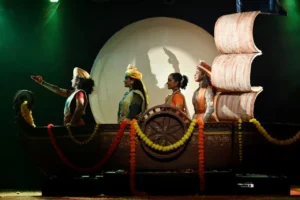
Dance in India has always been more than just a form of entertainment. Classical styles like Bharatanatyam, Kathak, Odissi, Kuchipudi, and Kathakali originated from religious texts and temple ceremonies. These dance forms tell stories from major ancient scriptures like the Ramayana, Mahabharata, and the Puranas.
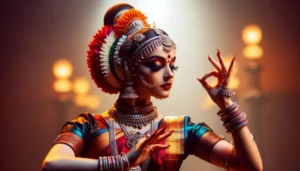
Dancers express intricate tales through hand gestures called mudras, facial expressions known as abhinaya, and body movements, all without saying a word.
For example, when a Bharatanatyam dancer performs the cosmic dance of Nataraja, viewers see not just movements but also deep philosophical ideas about creation, preservation, and destruction. This connection between art and spirituality makes dance an important way to keep India’s cultural traditions alive.
Classical Dance Forms: Guardians of Ancient Indian Traditions
Traditional Indian art is best shown through the organized rules of classical dances. The Natya Shastra, written by Bharata Muni around 200 BCE, is the main text that explains everything about performing arts like how to set up a stage and how to express emotions.
Bharatanatyam comes from Tamil Nadu and keeps old temple traditions alive with its precise shapes and religious stories. Odissi from Odisha is known for its graceful poses that look like the statues in ancient temples such as Konark and Jagannath. Kathak, which has influences from Persian culture, started in royal courts but still tells stories from Krishna Leela. Each dance style changes over time but stays connected to ancient Indian traditions, showing great strength.
These dance forms have lasted through wars, foreign rule, and modern changes because people saw them as a sacred duty, not just a job. Devadasis and temple dancers used to perform as part of daily religious activities, mixing spiritual discipline with their art.
Traditional Indian Folk Art: The Pulse of Regional Narratives
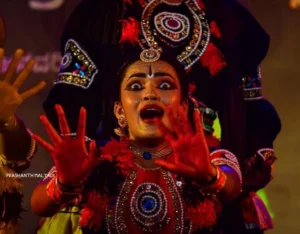
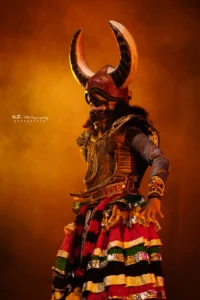
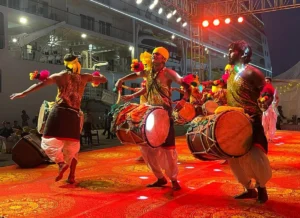
Classical dances are rooted in temple and court traditions, while traditional Indian folk art is all about lively energy and community. Dances like Bhangra, Garba, Lavani, Chhau, and Yakshagana mark the changing of the seasons, harvests, and stories passed down through generations. These dances have simple steps and colorful costumes, which make them easy for everyone in the village to join. The performers share stories about local heroes, nature spirits, and important events. During festivals like Navratri, millions take part in Garba, which helps keep the culture alive. The dances allow for some changes, letting new stories mix with old traditions without losing their original meaning.
How Dance Facilitates Cultural Preservation in Modern India
In modern times, Indian dance has found a place on the world stage while keeping its roots strong. Organizations like Sangeet Natak Akademi and Kalakshetra Foundation are dedicated to preserving the culture. Dance teachers not only teach movement but also share the deeper meaning and history behind the art.
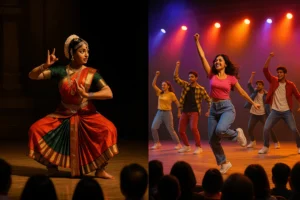
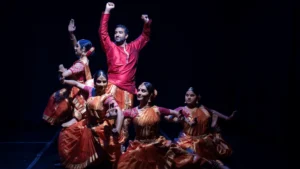
Many choreographers mix traditional stories with modern themes to talk about today’s problems. For example, retelling the story of Draupadi brings up ideas about respect and fairness that are still important today. Online platforms let people from all over the world watch these dances, making Indian performing arts known far beyond the country.
Colleges and schools now offer dance as a proper subject, helping to record and study it properly. This support helps keep Indian culture alive even as the world changes quickly.
The Role of Costumes, Music, and Rituals
In Indian dance, every part helps tell a story. Bright silk sarees with golden edges, temple-inspired jewelry, and special makeup make the dancers look like gods and goddesses. Live music played on traditional instruments like the mridangam, veena, and tabla creates a magical feeling that takes the audience back in time. Before the performance, there are often rituals. Dancers ask for blessings from Lord Nataraja or light lamps as a sign of respect. These traditions keep the art form holy and help protect its true spirit from being lost in the rush of modern life.
Challenges and the Path Forward
Even though Indian dance is very strong, it still faces some difficulties. As cities grow, there’s less space for people to practice these dances. Also, money problems can push artists to mix traditional styles with other forms, which might make the original traditions less clear. But there’s hope because younger people are showing more interest, and the government is taking steps to support the arts.
Getting international recognition, like having dance forms listed by UNESCO, has increased pride and led to more funding. Now, young dancers are going overseas to teach and perform, helping to share ancient Indian traditions with the world while also working to keep their roots strong.
Conclusion
Indian dance is much more than just an art it’s a living link to our ancestors. With elegant movements and expressive eyes, dancers keep alive the stories, values, and knowledge that have shaped our culture for generations. As we honor this rich heritage, we also promise to support its growth and preservation.
Whether you’re a performer, a passionate follower, or someone just starting to learn, getting involved with Indian dance brings you closer to the ancient traditions of India. You can join workshops, watch performances, or help artists who work hard to keep this tradition alive.
Faqs
Traditional Indian art, especially through dance, acts as a visual and performative encyclopedia of history, mythology, and ethics, ensuring knowledge passes naturally across generations.
Classical dances follow strict rules from Natya Shastra with spiritual themes, while folk dances are community-oriented, seasonal, and often more energetic and improvisational.
Preservation of pure culture maintains unique identity, provides psychological rootedness, and offers timeless wisdom that can guide modern societies facing rapid change.
Yes. Students naturally absorb philosophy, history, mythology, and moral values embedded in the dance forms they practice.
Forms like Bhangra, Garba, Chhau, and Yakshagana beautifully showcase the diversity and storytelling power of traditional Indian folk art across different regions.