India’s lively performing arts have amazed people for thousands of years.At the center of this tradition is ancient Indian dance, which shows deep spirituality, strong emotions, and powerful stories.This art form has been shaping the country’s identity for a long time.From the rhythmic movements shown in old statues to the smooth dances we see today, the history of Indian classical dance shows how devotion, skill, and culture come together.
This blog looks into the early roots of ancient Indian dance, showing how it grew through holy writings, temple rituals, and different styles across regions.
By learning about these beginnings, readers can better understand India’s rich cultural past and the lasting influence of its traditions.Whether you love dance or are just interested in learning more, this look back at history explains why Indian traditional dance still lives on as a real and important art.
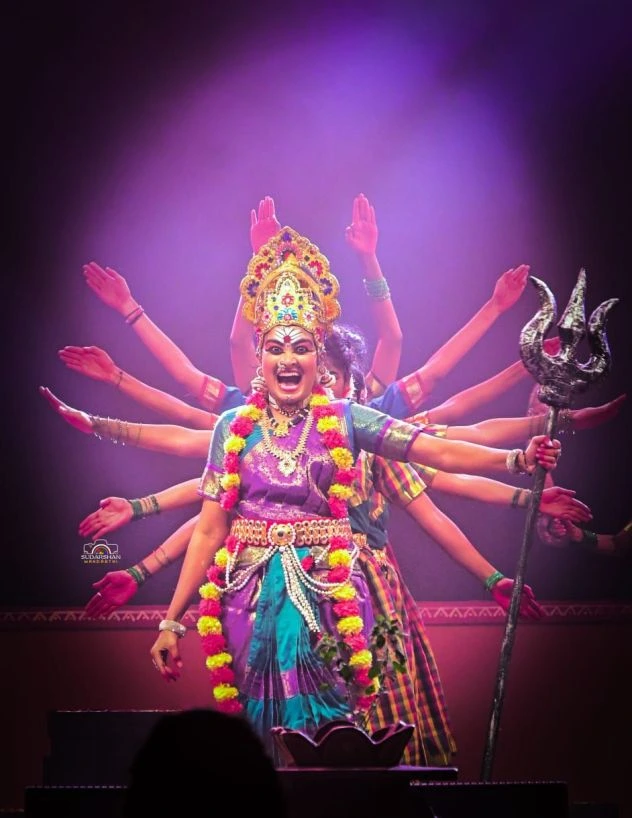
The Dawn of Ancient Indian Dance
Ancient Indian dance can be traced back to the Indus Valley Civilization.Artifacts like the famous Dancing Girl bronze statue from Mohenjo-Daro show that dance was an important part of social and religious activities as early as 2500 BCE.These early forms of dance helped shape the more structured classical dance styles that developed later in India.
As societies grew, dance became a way to connect with the divine.
It was more than just a performance; it was a spiritual practice that told stories about gods, heroes, and the universe.This deep spiritual meaning helped ancient Indian dance change over time while still keeping its sacred and devotional spirit.
History of Indian Classical Dance in the Vedic Period
The history of Indian classical dance is closely linked to the Vedic era.There are mentions of dance, called nritya, in the Rigveda and other ancient Vedic writings.During that time, dance was used for teaching and spiritual growth, helping people understand deep philosophical thoughts. As time passed, dance started to take on a more formal structure and purpose.
It became a way to teach morals and express emotions.This era saw a change from random movements to planned performances that praised gods and celebrated life.The use of music, hand movements, and storytelling together made Indian traditional dance a complete and meaningful art form.
Natya Shastra – The Cornerstone of Classical Dance Forms of India
One of the biggest changes in ancient Indian dance happened with the Natya Shastra, which was written by the wise sage Bharata Muni around 200 BCE to 200 CE.This important book is sometimes called the fifth Veda because it brought together ideas from the four main Vedas.It used the recitation from the Rigveda, music from the Samaveda, hand gestures from the Yajurveda, and emotional expression from the Atharvaveda.Indian classical dances are based on the ideas from this text.
Bharata Muni explained important concepts like Nritta, which is pure rhythm without story, Nritya, which is dance that shows feelings and emotions, and Natya, which is dramatic storytelling.These ideas are still important in performances today, so every movement in the dance has a meaning and a spiritual value.
The Natya Shastra not only gave instructions on how to perform but also talked about how dance can create rasa, which is the special feeling or experience that connects the performer and the audience.This deep philosophy shows the rich culture of India and how dance connects the divine with everyday life.
Temple Traditions and the Role of Devadasis
Indian traditional dance was a big part of life in temples all over the country.Women called Devadasis were devoted dancers who performed special rituals using their movements as a way to show respect and love for the gods.These dances took place in temples in the south and east of India, and they helped keep the dance styles alive and improved over many years.
Sculptures found in old temples, like those in Khajuraho or Konark, show people doing lively poses that are similar to the modern classical dances we see today.These pictures tell us that ancient Indian dance was a regular part of religious practices, and they help show the deep roots of Indian culture.
Evolution of Major Classical Dance Forms of India
The different regions of India have created unique but connected dance styles, all based on old Indian dance teachings.
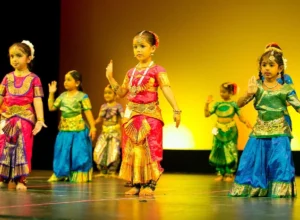
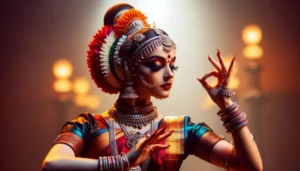
Bharatanatyam, which comes from Tamil Nadu, shows elegance and precise shapes.It has a history linked to temples and follows strict rules from the Natya Shastra, making it a well-known dance form.Odissi from Odisha gets its ideas from temple carvings and has smooth body movements and strong storytelling.
It became popular again in the 20th century, helping people rediscover its ancient past.Kathak mixes influences from northern stories and later Mughal culture, including fast spins and rhythmic foot movements.
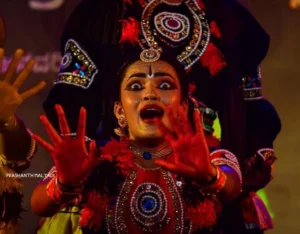
Other forms like Kathakali, Kuchipudi, and Manipuri also show how diverse Indian classical dance is, each adding something special to the country’s cultural history.All these styles changed over time but kept the main ideas from the Natya Shastra, showing how Indian traditional dance is flexible and strong.
Rich Cultural Heritage of India Embodied in Dance
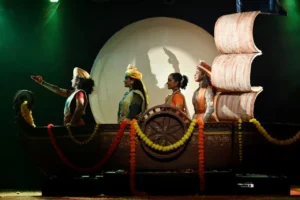
Ancient Indian dance is a strong way to keep the culture of India alive.It uses stories from the Ramayana and Mahabharata to teach about right living, actions, and devotion.This made dance a tool that everyone, from all parts of society, could enjoy, just as the Natya Shastra planned.Dance also brings people together and keeps traditions going.
Events like festivals, temple parades, and cultural gatherings help new generations learn about their history and feel connected to their past.This helps build a strong sense of national pride and makes Indian art known and valued around the world.
Conclusion
Exploring ancient Indian dance is about more than just learning history—it’s about discovering the deep spirit of a civilization that has used movement to celebrate life for thousands of years.From the chants of the Vedic times to religious ceremonies and today’s stage performances, the story of Indian classical dance shows a continuous tradition of creativity and spiritual expression.
As people who care about India’s rich cultural heritage, it’s important for us to keep these art forms alive and share them with others.
Whether you’re watching a performance or just starting to learn the basics, getting involved with Indian traditional dance gives you a meaningful link to the culture’s past.To learn more about India’s performing arts and cultural traditions, visit Nandagokula.You can find workshops, shows, and materials that help bring these ancient traditions into the modern world.
FAQs
The Natya Shastra, written by Bharata Muni, is the main source.
It brings together ancient information into a detailed guide that explains the different forms of classical dance in India.
Devadasis, who were temple dancers, performed dances as a form of worship.
They kept alive the techniques and stories that are important to India’s cultural history.
Dances like Bharatanatyam and Odissi come from temple traditions and follow the ideas from the Natya Shastra.
These dances show how deep and long-lasting Indian dance is.
Dance in India is not just entertainment.
It is also a way to express spirituality and teach important lessons. It helps pass on cultural stories from one generation to the next.
People can see live performances, learn from experienced teachers, or visit places with cultural importance.
This helps them connect with the living traditions of ancient Indian dance. You can learn more at Nandagokula.