There is something quietly extraordinary happening along the southwestern coast of Karnataka. Mangalore, a city long celebrated for its spices, seafood, and sunsets, is now being recognized for something far more vibrant: its rapidly growing identity as a center for performing arts. From classical dance recitals held in century-old temples to contemporary theatre productions drawing young audiences, the city is undergoing a cultural renaissance that deserves every spotlight it can get.
This transformation is not accidental. It has been shaped by deep roots, passionate communities, and institutions that have chosen to invest in the performing arts as a vehicle for identity, expression, and growth. If you have been watching the cultural map of India shift, Mangalore deserves to be on your radar and NandaGokula sits right at the heart of this movement.
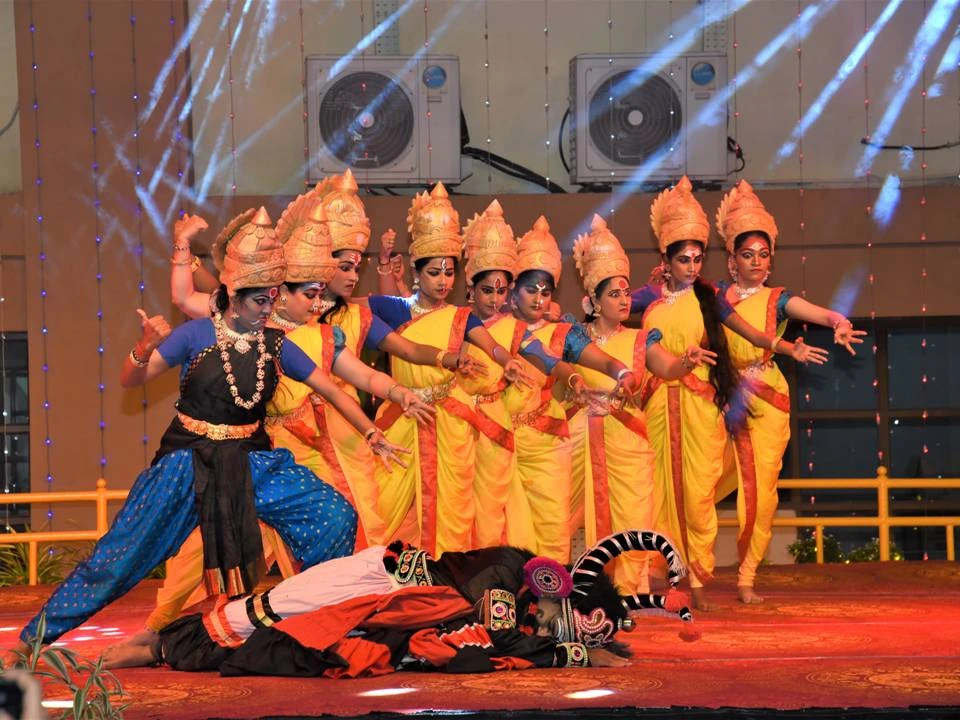
Cultural Heritage of Karnataka: The Foundation Mangalore Stands On
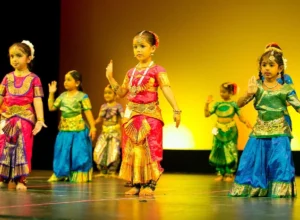
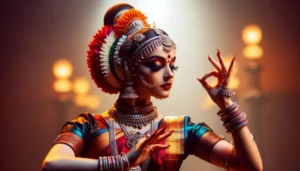
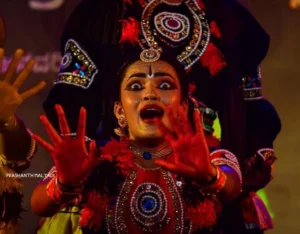
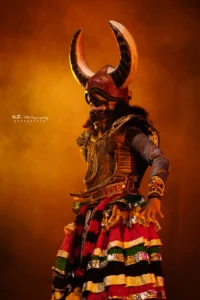
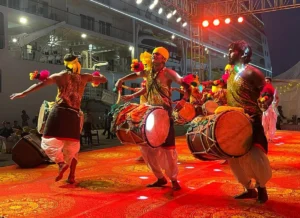
The cultural heritage of Karnataka has always been rich and layered. Karnataka is home to Yakshagana, Bharatanatyam, Carnatic music, Dollu Kunitha, and dozens of other traditions that have been passed down through generations. Mangalore, as one of Karnataka’s most culturally significant coastal cities, has absorbed and celebrated these traditions for centuries.
What makes Mangalore unique is how its cultural identity draws from multiple streams Tulu, Kannada, Konkani, and Beary traditions all coexist and occasionally blend into something truly original. This pluralism has created fertile ground for the performing arts to flourish in ways that are inclusive and constantly evolving.
Temples, community halls, and open-air stages in Mangalore have historically served as performance venues where these art forms were practiced not as entertainment alone, but as devotion, storytelling, and community bonding. That foundation is precisely what is now being built upon by a new generation of artists and educators.
Indian Art and Culture: Why Mangalore Reflects the Bigger Picture
When we speak of Indian art and culture, we often default to conversations about Mumbai, Delhi, or Chennai. Yet cities like Mangalore have always been quietly preserving and innovating within this vast cultural ecosystem. Today, they are finally getting the recognition they deserve.
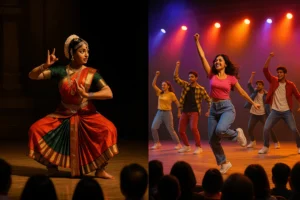
Mangalore’s performing arts scene reflects many of the broader shifts happening across India a renewed interest in classical forms among young people, the growing popularity of fusion performances, and the rise of structured performing arts education at the grassroots level. Dance, drama, music, and storytelling are being treated not merely as hobbies but as serious disciplines worthy of dedicated training and career pathways.
The city also benefits from a strong diaspora connection. The Mangalorean community, spread across the Gulf and beyond, has consistently supported cultural initiatives back home. This has led to better-funded festivals, more professional production values, and greater visibility for local artists on national and international stages.
Theatre Training: How Structured Learning Is Changing the Scene
One of the most significant developments in Mangalore’s performing arts journey has been the rise of quality theatre training and structured arts education. In the past, learning happened informally children watched their elders perform and gradually absorbed the craft. While that tradition continues, it is now complemented by institutions offering disciplined, curriculum-based training in dance, drama, and music.
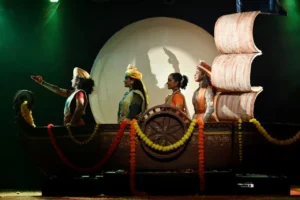
Theatre training in Mangalore has moved beyond school competitions and annual day performances. Today, dedicated academies and cultural organizations are offering year-round programs that cover stagecraft, vocal projection, movement, improvisation, and even the business side of performing arts. Students are being prepared not just to perform, but to think critically about performance as an art form and a profession.
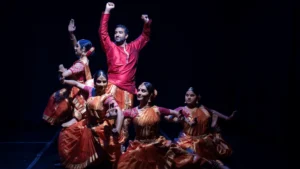
This shift has produced a new generation of confident, versatile performers who are comfortable on stages ranging from intimate studio theatres to large proscenium auditoriums. Their work is increasingly being seen at regional and national festivals, giving Mangalore a louder voice in India’s performing arts conversation.
Cultural Enrichment: What the Performing Arts Give Back to the Community
Beyond the stage, cultural enrichment is perhaps the most meaningful gift that the performing arts offer to a city. In Mangalore, this enrichment is visible in multiple ways in schools where arts education has improved student confidence and communication, in communities where shared performances create bonds across language and background, and in public spaces that have been transformed into stages for spontaneous artistic expression.
Cultural enrichment through the performing arts also has measurable economic dimensions. As Mangalore builds its reputation as a cultural destination, it attracts visitors, supports local artisans who supply costumes and instruments, and creates employment for artists, choreographers, directors, and technicians. The performing arts ecosystem, when nurtured, generates cultural capital and economic activity simultaneously.
Organizations like Nanda Gokula have understood this deeply. By creating spaces where the performing arts are taught, practiced, and celebrated, they are contributing to the cultural enrichment of the entire region one performance, one student, one standing ovation at a time.
What Makes Mangalore Different From Other Emerging Arts Cities
Several Indian cities have claimed the title of cultural hub, but Mangalore’s emergence in the performing arts space is distinctive for a few reasons.
First, the city possesses an authentic, unbroken connection to its traditions. Unlike cities where cultural revival has sometimes meant imitation or importation, Mangalore’s arts scene grows naturally from living traditions that communities have practiced continuously.
Second, there is a spirit of collaboration here that is relatively rare. Classical artists, contemporary practitioners, and experimental performers coexist and often collaborate rather than compete. This cross-pollination produces work that is both rooted and fresh.
Third, Mangalore’s audience is genuinely engaged. Performances are well-attended, festivals are passionately followed, and the culture of supporting local artists is strong. An engaged audience is the lifeblood of any thriving performing arts ecosystem, and Mangalore has that in abundance.
Conclusion
Mangalore is no longer just emerging it has arrived. The city’s journey into becoming a recognized hub for performing arts is a story of heritage honored, talent nurtured, and community rallied around the transformative power of artistic expression. From the cultural heritage of Karnataka that grounds its traditions to the theatre training institutions shaping its next generation, every element of this ecosystem is pointing in the same direction: upward.
If you are an artist looking for a home, a student seeking meaningful performing arts education, or a culture lover wanting to experience something genuine and alive, Mangalore is calling. And Nanda Gokula is one of the finest places to begin that journey where the art of performance is taught, celebrated, and shared with love.
FAQs
Mangalore is considered an emerging hub for performing arts because of its rich cultural heritage, growing number of trained artists, increasing institutional support, and a deeply engaged local audience that has consistently celebrated art forms ranging from classical dance to contemporary theatre.
Yakshagana, Bharatanatyam, Carnatic music, folk dance forms like Dollu Kunitha, and theatre are among the most popular performing arts in Mangalore. Contemporary dance and fusion performances are also gaining considerable traction among younger audiences.
provides the philosophical and aesthetic foundation for Mangalore’s arts scene. Traditional forms rooted in Tulu, Kannada, and Konkani cultures are actively preserved and performed, and they continue to inspire new creative works by contemporary artists.
Quality theatre training in Mangalore can be found at dedicated cultural academies and organizations that offer structured programs in drama, movement, and stagecraft. Nanda Gokula is one such institution committed to nurturing talent in the performing arts.
Engaging with performing arts contributes to cultural enrichment by building empathy, strengthening community bonds, preserving cultural memory, and creating shared experiences that bring people across different backgrounds together. It also supports the local economy and encourages pride in regional identity.