In the world of performing arts, every movement tells a story. Dancers and actors use nonverbal signals to connect with the audience in a meaningful way. By combining body language, acting skills, and dance, they create experiences that go beyond words. Whether you’re a performer, a student, or just someone who loves the arts, understanding this connection helps you be more real and powerful on stage. This article looks at how these elements come together to make art more expressive and performances more impactful.
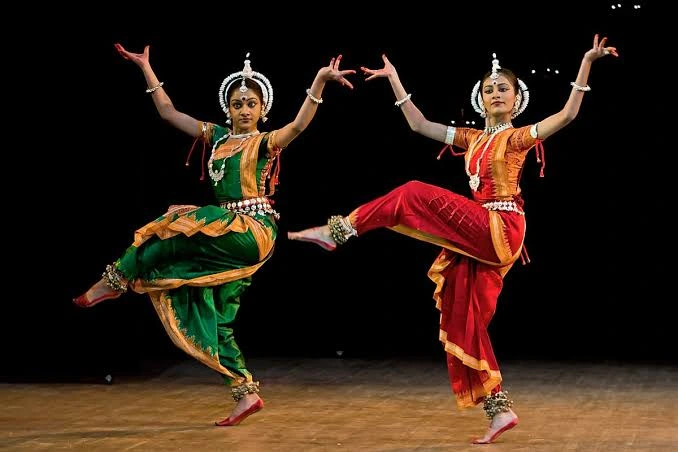
The Foundation of Expressive Movement with Dance Body Languages
Dance body language is key to communicating well during a performance. Dancers use their posture, movements, and awareness of space to show deep emotions without saying a word. Unlike regular movements, dance body language is purposeful, strong, and developed over many years of training.
When dancers really understand body language, they turn simple steps into stories. A head held high can show confidence, while a tight body might show sadness or stress.
These small changes help the audience feel the story instead of just seeing it. Also, good body language makes dancers look more sure of themselves, calm, and deeply connected to their characters. Moving from basic skills to expressive body language takes a lot of practice. Professional dancers spend a lot of time perfecting how their bodies show even the smallest details, so every movement matches the music and the theme perfectly.
Bringing Feelings to Life Through Movement and Emotion in Dance
Emotion in dance is the key to making a performance unforgettable. Dancers don’t just move their bodies, they feel deeply and share emotions from inside out. This real feeling comes from how well they connect their inner emotions with their movements.
Dancers who are really good at showing emotion create strong feelings in the audience.When they are happy, their movements are big and flowing. When they are sad, their steps are slow and heavy, and their eyes look down. They use acting skills to help make their emotions feel real and touching.
The Window to the Soul on Stage Dance Facial Expressions
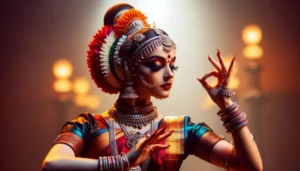
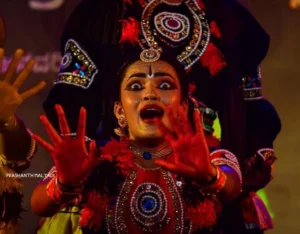
Dance facial expressions go along with body movements and add more depth to a story. The face shows small emotions that the body can’t always express clearly. A worried look, a gentle smile, or strong eye contact can change the feeling of a whole dance quickly.
In many traditional dance styles, facial expressions are carefully taught as part of the skill.These expressions need to feel real and match the rest of the body, not look forced or separate. When done right, facial expressions make the emotions stronger and help people feel closer to the character or message in the dance.Actors who move into dancing often enjoy this part a lot.
What Is Character Dancing: Merging Acting and Dance
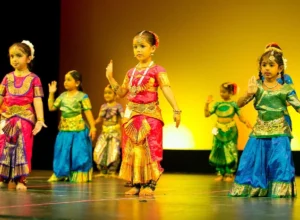
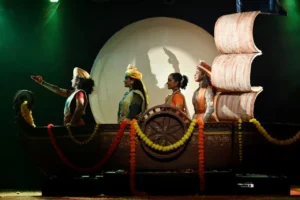
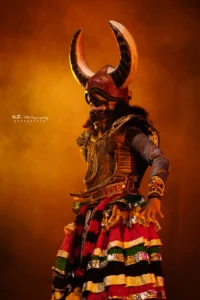
Character dancing is a special way of combining acting and dance. It’s when dancers not only perform moves but also act out a character through their body and expression. They use their movements, face expressions, and emotions to show a story or a person from history or fiction.
This style of dancing is common in performances like Bharatanatyam, Kathak, and contemporary dance theater.Dancers learn about the character’s life, why they do things, and how they feel. They then use that knowledge to express it through dance. This makes the performance more real and meaningful, touching both the mind and the heart.
Stage Presence for Dancers: Commanding Attention Through Integrated Skills
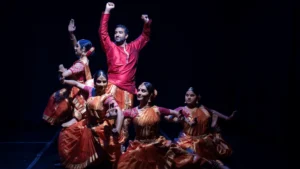
Stage presence for dancers comes naturally when their body movements, acting, and dancing all work together smoothly. It’s that special feeling that keeps the audience interested from the very start until the very end. Having strong stage presence means being confident, controlling your energy, being aware of where you are on the stage, and being able to connect with people even if you’re far away.
They know how to use pauses, look directly at the audience, and change their energy levels to keep things exciting. Also, good stage presence can turn a perfectly executed dance into something that really touches people emotionally.Training techniques like improvisation, acting workshops, and practicing in front of a mirror help dancers build this important skill over time.As a result, dancers who master these connected abilities often have more success in both dance and theater.
The Interplay Between Acting and Dance Performance
The connection between acting and dance is deep and helpful for both. Acting helps dancers create real characters and show complex feelings. At the same time, dance helps actors be more expressive with their body, move in time, and understand space better.
A lot of famous performers learn both acting and dance because together they make artists who are skilled in many areas.For example, modern dance groups often choose people who have experience in acting, and musical theater requires people who are good at singing, dancing, and acting.
Performers avoid mistakes, like only focusing on skills without caring about real emotions or the story they are telling.
Practical Tips to Strengthen the Connection in Your Practice
Dancers and actors can work hard to connect their body language, acting, and dance better with specific exercises. By practicing emotional memory every day and then showing those feelings through movement, they can improve how their mind and body work together.
Watching recordings of their performances and looking closely at their body language and facial expressions can help them learn and grow.Also, training in both dance and acting together works really well.Working with experts in both areas during special classes can help them learn faster and come up with fresh, creative ideas.
Conclusion
The link between body language, acting, and dance goes beyond just skills it shows the true heart of how humans tell stories. When dancers learn to use their bodies, express emotions, show feelings through their faces, and bring characters to life, they create unforgettable moments that really move people.
Whether you’re starting out or trying to get better, paying attention to these connected parts will really improve your presence on stage and how much your performances affect others.The best dance shows happen when skill, feeling, and expression work together perfectly.
Character dancing is when a dancer acts out a role completely through their movement.
It’s important because it brings more emotion and real feel to a dance, making the story more interesting and easier for people to remember.
Dancers can get better at their facial expressions by practicing in front of a mirror, doing exercises that help them feel emotions, and taking acting classes. It’s important to make sure their expressions look natural and match their body movements so they don’t feel forced or out of place.
Stage presence is important for dancers because it helps them grab the audience’s attention and form a strong emotional link.It includes confidence, energy, and the ability to express themselves well, which all help make a dance performance better.
Emotion in dance is not just about doing steps right. It’s about showing real feelings through movement, facial expressions, and body language to create a deep connection with the people watching.
Yes, acting training can greatly improve dance body language. It teaches performers how to use their gestures, posture, and expressions in a more thoughtful and meaningful way, which makes their dance performances stronger and more real.