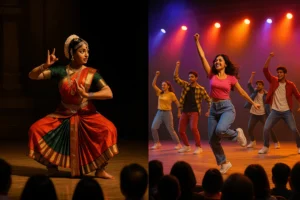
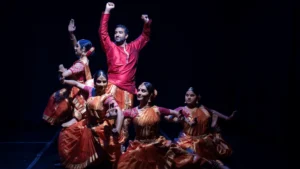
In today’s fast-paced world, keeping a sharp memory and strong concentration is harder than ever. Many people look for ways to improve their memory and focus, trying different methods. But one old yet very effective practice is classical dance. It’s not just about beautiful movements or rhythm—it actually helps the brain in deep ways, offering cognitive benefits for people of all ages.
Whether it’s the detailed footwork in Indian classical dances like Bharatanatyam or Kathak, or other traditional styles, classical dance mixes physical activity with strong mental focus.
This often leads to better memory, improved attention, and better mental health. This blog looks into the science behind how classical dance boosts the mind, making it a great read for dancers, students, professionals, and anyone wanting natural ways to improve their thinking skills.
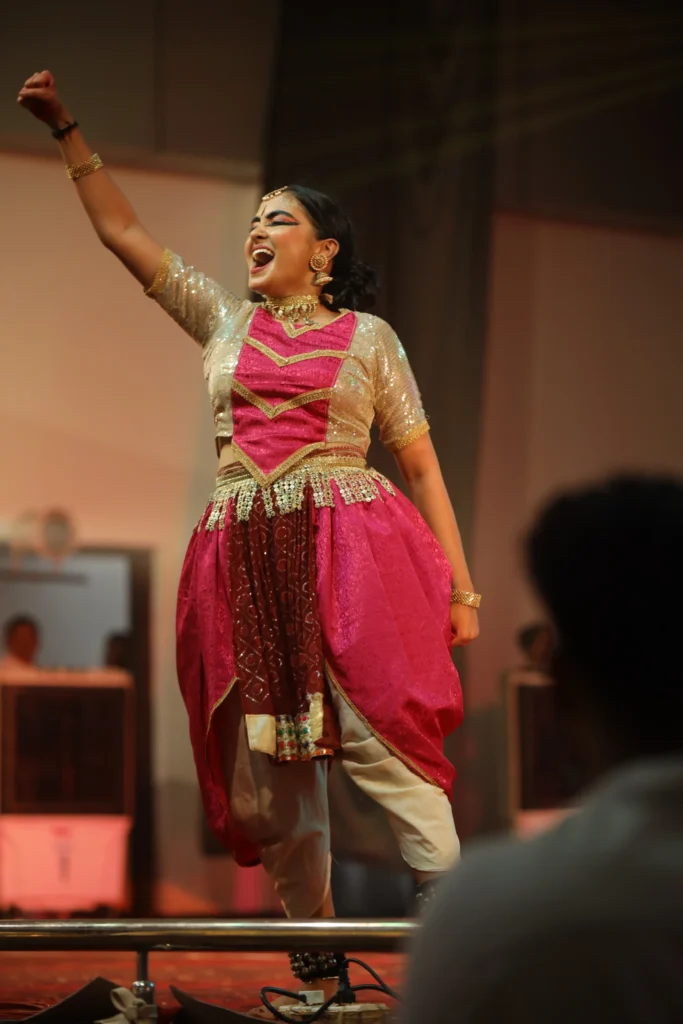
The Science Behind Classical Dance and Brain Health
Classical dance is more than just an art form; it’s also a great way to work out both the body and the brain. When dancers learn tricky steps, move in time with music, and show feelings through their movements, different parts of the brain become active at the same time. This kind of activity helps the brain make new connections, which is called neuroplasticity.
Research shows that dancing, which involves keeping rhythm and remembering steps, increases blood flow to the hippocampus, the part of the brain that helps with learning and remembering things.
Plus, dancing can lower stress hormones and increase feel-good chemicals like serotonin and endorphins. Because of this, people who dance regularly often feel happier and are better able to handle things like memory loss as they get older.
Indian Classical Dance: A Powerful Tool for Cognitive Enhancement
Indian classical dance forms require a lot of discipline, storytelling, and complex movements that test a dancer’s mental ability. Dances like Bharatanatyam involve memorizing long sequences that include hand gestures, facial expressions, and rhythmic patterns, all done together with classical music.
This kind of practice helps improve working memory because dancers have to keep many things in their mind at the same time. As they continue to train, this skill helps them remember things better in daily life, such as names, tasks, or difficult information. Also, the intense focus needed during performances helps people concentrate better and stay focused, avoiding distractions in their everyday activities.
Benefits of Dancing for Memory Improvement
Dancing has a powerful effect on memory. When you learn and repeat dance moves, it helps improve your procedural memory, which is the type of memory used for skills and habits. As you practice the steps over and over, your brain creates stronger connections, making it easier and quicker to recall the movements later. Studies show that dancing can help slow down memory loss that happens as people get older.
For example, older adults who take dance classes regularly often do better in memory tests compared to those who do other types of exercise. This is because classical dance combines physical activity with mental challenges, which helps keep the brain sharp and improves thinking abilities.
In addition, Indian classical dance involves telling stories through movement and emotion. Dancers not only remember the steps but also understand and feel the stories and emotions behind them. This deeper connection helps them remember the movements more clearly and for a longer time.
How Classical Dance Boosts Concentration and Focus
Concentration means focusing your attention on one thing while ignoring other things that might distract you. Classical dance is great for this because it needs you to move your body in time with music and know where you are in space at the same time. Dancers have to listen carefully, guess when the music will change, and do exact moves all at once. This kind of practice helps build executive function, which is a group of mental skills like keeping focused and managing tasks.
Moving smoothly from one part of a dance to another also helps the brain stay focused even when things change. Because of this, many dancers notice they can concentrate better during work or school after practicing regularly. Also, some Indian classical dances have a calming, meditative feel. By moving and breathing in a focused way, dancers stay in the moment and avoid being distracted by their thoughts. This helps them stay attentive for longer periods.
Mental Health Benefits of Classical Dance
Beyond cognition, classical dance offers substantial mental health benefits. The physical activity releases endorphins, which naturally elevate mood and reduce symptoms of anxiety and depression. Moreover, the social aspects of group classes or performances foster a sense of community and belonging.
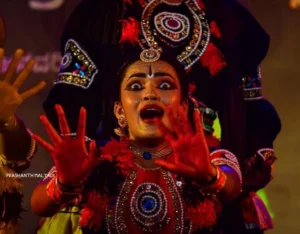
Dance also serves as a healthy outlet for emotional expression. In Indian classical dance, conveying complex emotions through abhinaya allows dancers to process feelings constructively. Consequently, stress levels decrease while self-esteem and confidence rise. These psychological improvements create a positive feedback loop: better mental health supports sharper memory and concentration, and vice
Practical Ways to Get Started with Classical Dance for Cognitive Gains
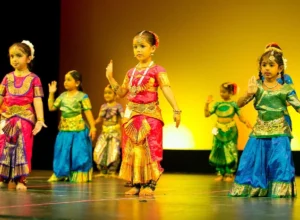
Starting classical dance is easy, no matter your age or how much experience you have. Newcomers can take classes that guide them through the basic steps and rhythms step by step. It’s better to dance regularly rather than very hard — try going 2 or 3 times a week to see improvements in your memory and focus. Parents might think about enrolling their kids in Indian classical dance classes to help their brains develop.
For grown-ups, even a little practice each day with simple moves can be helpful. Keeping track of your progress, like remembering longer dance sequences, can keep you motivated and show how your brain is growing. It’s best to pair dance with a healthy lifestyle, like eating well, getting enough sleep, and staying hydrated, to get the best results.
Long-Term Effects and Scientific Evidence
Dancing in a classical style over a long time can change how the brain is structured. The hippocampus, which is important for memory, can become bigger, and the connection between the two halves of the brain can get stronger. This helps with better memory and thinking skills. Some research even says that dancing might be better than other types of exercise for some aspects of mental health and thinking.
These results match the way Indian classical dance is seen as a whole-body and whole-mind activity. Practicing regularly can slow down the natural decline of thinking abilities as people get older and also improve how good someone feels overall.
Conclusion
Classical dance is a great way to improve memory and focus, and it’s also really enjoyable.It helps your mind in many ways that aren’t easy to find in other activities.The mix of moving your body, following rhythms, and expressing yourself through dance makes it a special kind of brain exercise.Whether you try Indian classical dance or another traditional style, you’ll get more than just mental benefits—you’ll also find happiness, connect with your culture, and grow as a person.
Let the music guide you, make your mind sharper, and experience how dance can change your life for the better. If you want to learn from experts, join workshops, and get real training in classical dance,and start your journey to a clearer, more focused you.
FAQs
Dancing helps strengthen the connections in the brain, improves the function of the hippocampus, and enhances control over thinking skills, which makes it easier to remember things and stay focused.
Indian classical dance requires remembering detailed sequences, expressing feelings, and keeping up with rhythms, all of which help in improving memory and focus.
Yes, adults of any age can benefit a lot.
Practicing regularly can help the brain adapt and fight against memory and attention problems that come with aging.
Begin with regular dance classes, work on learning new routines, and slowly make the moves more challenging.
Also, try to stay mindful while dancing to get the best results.
Yes, there are.
Classical dance can reduce stress and worry, make you feel happier by releasing natural mood boosters, and help you handle emotions better.