In a world that sometimes feels split apart, the peaceful mix of art and culture shows us how connected we all really are. This special combination of art, culture, and expression breaks down barriers and brings people together, no matter their age or where they’re from. Through lively dances, touching paintings, or old story-telling ways, these things come together to create experiences that make life richer and more meaningful.
At its heart, this mix is about more than just beauty—it’s about the feelings and stories that shape who we are. This blog looks at how art and culture join forces to express culture, keep traditions alive, and spark new ideas. You’ll see inspiring examples from traditional Indian arts and other cultures, and learn how modern art helps people share their feelings in powerful ways. By the end, you’ll understand why places like Nandagokula keep supporting this beautiful connection between art and culture.
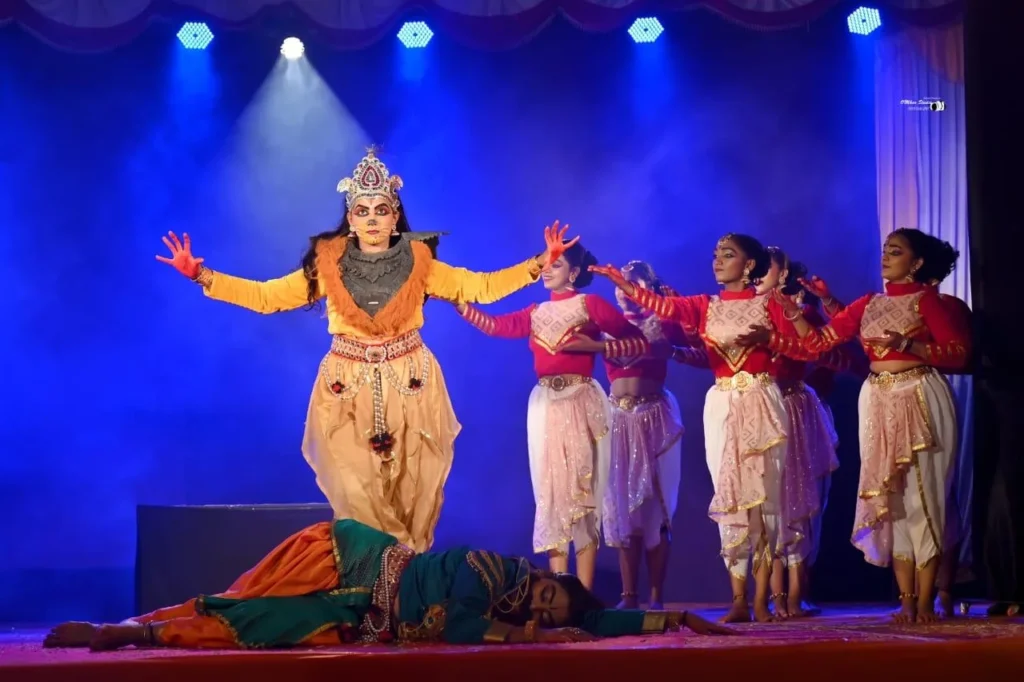
Cultural Expression in Everyday Life
Cultural expression is like the heartbeat of societies around the world. It lets communities share who they are, where they come from, and what they hope for through different forms of art. When people take part in culture and art, they join in a conversation that keeps changing over time but stays true to who they really are.
For example, festivals, performances, and art displays turn regular moments into big celebrations of identity. These activities move from personal thoughts to shared happiness, helping different groups connect with each other. They also offer a safe way for people to deal with deep emotions and express common ideas. Because of this, communities become stronger and more understanding through these shared artistic moments.
Traditional Indian Arts: Foundations of Rich Heritage
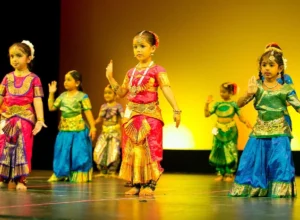
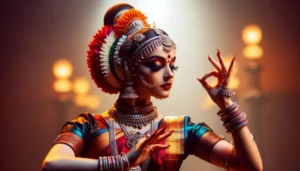
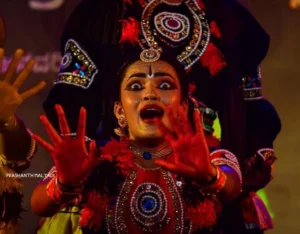
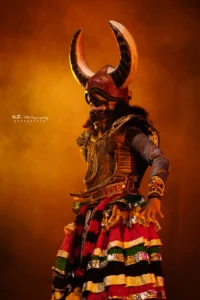
Traditional Indian arts are a key part of one of the world’s most diverse cultures. From the elegant dance of Bharatanatyam to the detailed stories told in Yakshagana, these art forms have been shared through many generations. They show how art and culture come together by keeping old knowledge alive while still being meaningful today. People who practice these traditional arts spend a lot of time learning the skills involved.
These skills show deep respect, a strong work ethic, and powerful storytelling. These arts are not just shows; they are spiritual experiences that help artists connect with something bigger. Because of this, people who watch feel a strong sense of connection and amazement. Also, these arts help bring people together in society and pass on important values to the next generation.
Indian Arts and Heritage: Preserving Timeless Treasures
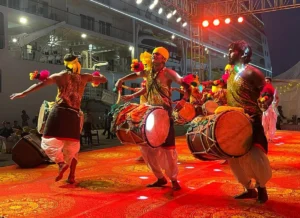
Indian arts and heritage are full of rich knowledge, skilled craftsmanship, and deep wisdom. Beautiful temples with detailed carvings, classic music styles that move the soul, and folk traditions that tell grand stories all help create a colorful and lively culture.
In recent years, there has been a growing interest around the world in Indian arts and heritage. Skilled artists and performers are working hard to bring back old techniques that were almost lost, making sure these traditions stay alive. This effort shows how art and culture help keep history alive. Schools and cultural organizations also help by recording and sharing these valuable traditions. This way, future generations can learn from their past while creating new things for the future.
The Rise of Contemporary Art in Cultural Narratives
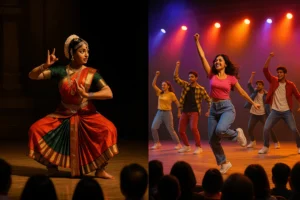
Contemporary art brings new energy to old traditions by looking at today’s social problems, personal stories, and big global issues. Artists now mix modern methods with classic ideas to make art that connects with many different people. This change shows how art and culture keep growing and changing.
For example, digital displays, new kinds of theater, and mixed dance styles break the usual rules and try new things. Also, contemporary art makes people think about how society works and see things in new ways. Because of this, it starts important discussions and helps culture move forward. Moving from old traditions to new ideas, these artworks show that art keeps changing and adapting all the time.
Expressing Emotions Through Art: A Therapeutic and Transformative Process
Expressing emotions through art gives a strong way to heal and learn more about yourself. Many people find that painting, dancing, or writing poetry helps them deal with feelings like happiness, sadness, anger, or love in ways that words can’t fully explain. Research in psychology shows that using creative activities can improve mental health.
When people put their feelings into art, they gain clearer understanding of their emotions and become more able to handle difficult situations. This also helps connect art to culture by sharing personal stories within bigger cultural discussions. As a result, communities grow more understanding and experience shared healing. Whether in small art studios or large public events, expressing emotions through art keeps changing lives.
The Intersection of Art, Culture, and Modern Platforms
Today’s digital age has made it easier than ever for art and culture to reach people all over the world. Thanks to social media, virtual shows, and online classes, artists can share their creations with audiences far beyond their local communities. This makes art more accessible and encourages more people to get involved and create. But there’s something special about experiencing art in person.
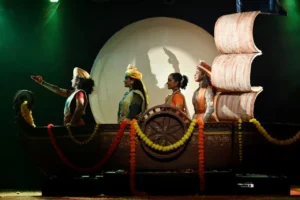
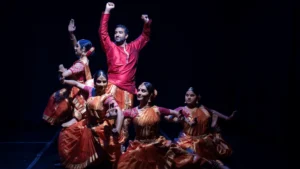
Events that bring together traditional Indian arts and modern expressions create moments that are hard to forget. These live experiences are unique and meaningful. Also, groups that work to support and spread culture are important in helping artists grow and share their work. One example is Nandagokula, which creates plays, dance performances, and other events that honor India’s rich artistic heritage while also trying new and creative ideas.
Why the Blend of Art and Culture Matters Today
In today’s busy world, art and culture offer a moment to slow down and think.They help spark creativity, keep traditions alive, and bring people together even when they have different views.They also help the economy by attracting tourists and supporting creative jobs. More and more, parents, teachers, and leaders are seeing how important art is in learning.
They understand that including art in school helps kids develop important skills like thinking critically, caring about others, and working together. Because of this, supporting art and culture has lasting benefits for society that go much further than just fun and enjoyment.
Conclusion
The mix of art and culture gives us lasting inspiration, a way to connect with others, and helps us heal.By expressing ourselves through cultural art, traditional Indian crafts, modern art, and sharing feelings through creativity, humans keep growing and becoming better.This coming together of old and new not only keeps our history alive but also helps build a future that is kinder and more imaginative.
As you think about these ideas, you might want to learn more through places that show this mix of art and culture. Visit Nandagokula to see amazing performances and join in the traditions of art and culture that are still alive today. Whether you are an artist, someone who loves art, or just curious, there’s always a place for you on this journey of creative expression.
FAQs
Cultural expression is how groups share who they are and what they believe through different kinds of art.
It is important because it helps people understand each other better, keeps traditions alive, and supports mental health.
Traditional Indian arts have strong history and spiritual meaning that add richness to the world of art and culture.
They offer old skills and ideas that still inspire artists today.
Contemporary art lets artists talk about today’s problems and their own feelings.
This makes it easier for people to connect with art and express emotions in ways that are meaningful today.
You can experience real Indian arts and heritage by visiting places like Nandagokula at https://nandagokula.com/.
They offer different dance and theater shows.
Beginners can join classes, go to art shows, or try simple creative projects.
Spending time with art and culture helps build a greater understanding and encourages personal creativity.