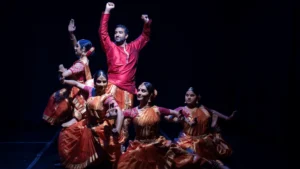
Every parent has watched their child spin around the living room the moment music comes on. That instinct is worth acting on early, because dance offers young children physical, social, and emotional benefits that are hard to match with any other activity. This guide walks through how to know when your child is ready, what to expect at each age, and how to set them up for a lifelong love of movement.
Readiness Looks Like Behavior, Not a Birthday
There’s no single “correct” age to start dance readiness has far more to do with a child’s behavior than their exact birthday. Instructors typically look for a few signs: does your child dance spontaneously when music plays, can they follow a simple two-step instruction, and can they separate from you for 30–45 minutes without major distress? These behavioral cues are much better predictors of success than age alone.
A child who enjoys playdates, listens reasonably well in preschool, and shows curiosity about new activities is likely to adjust well to a dance class. On the other hand, a child who struggles with basic directions like “sit down” or gets easily overwhelmed in noisy rooms might simply need a few more months before diving in.
None of this is about rushing. Starting young helps children build discipline, focus, and confidence early on, but there’s no harm in waiting until your child shows genuine excitement rather than just tolerance. The goal is a positive first experience, not hitting an arbitrary milestone.
An Age-by-Age Roadmap for Getting Started
For toddlers around age 2–3, dance is less about technique and more about exploration creative movement classes with music, props, and imaginative play are ideal. These early classes build basic motor skills and comfort with group settings, often with a parent still in the room. There’s no pressure for precision here; the goal is simply a positive association with movement and music.
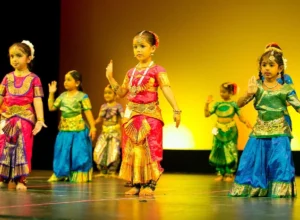
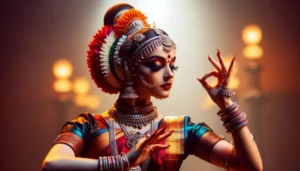
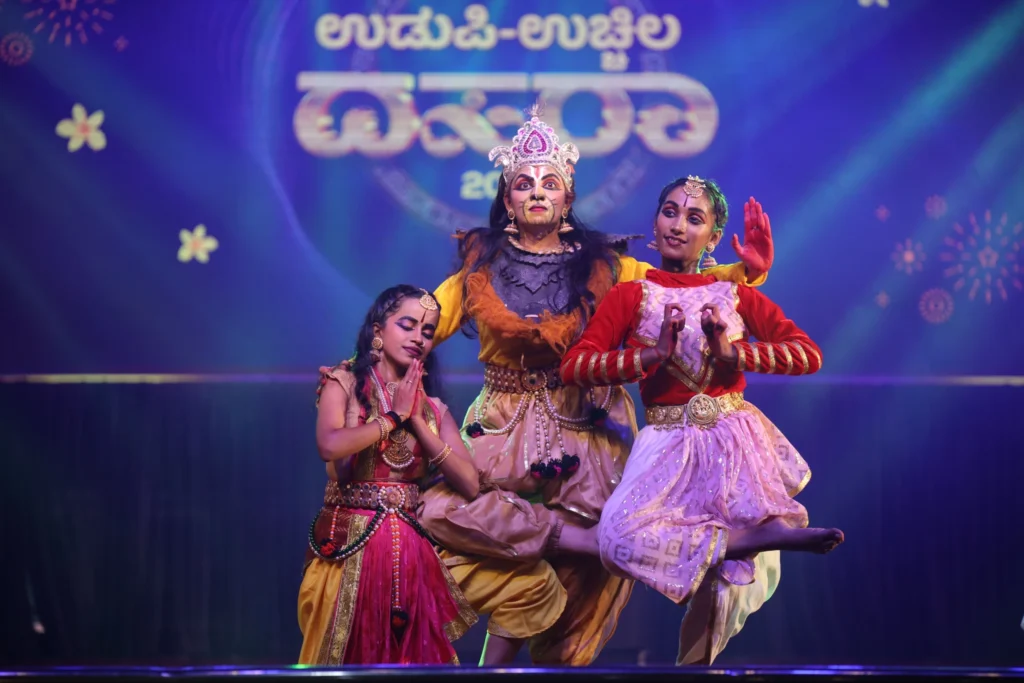
By ages 3–5, most children are ready for structured classes without a parent present. This is often considered a sweet spot for starting formal training, since kids can follow multi-step instructions and participate in group routines. Many parents choose this stage to introduce their child to classical Indian dance forms, which combine physical training with cultural storytelling from the very first class.
Between ages 5 and 8, children typically have the attention span and physical coordination for more focused technical training. This is when studios often introduce more structured choreography, rhythm work, and performance opportunities. Kids at this stage also start to genuinely enjoy the process of improving noticing their own progress and taking pride in mastering something difficult.
Choosing the Right First Style
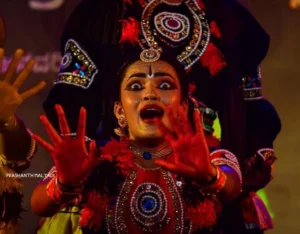
Matching a dance style to your child’s personality matters more than picking whatever is trendy or convenient. A child who’s naturally expressive and loves storytelling might thrive in a narrative-driven classical style, while a child who’s high-energy and loves current music might respond better to something faster-paced. Letting your child’s genuine interest guide the choice tends to produce far stronger long-term motivation than steering them toward a style you prefer.
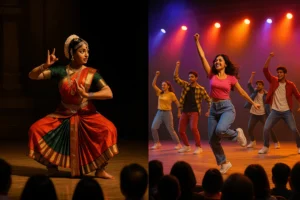
Foundational styles are worth considering regardless of where your child’s interest eventually settles. Many instructors recommend starting with a structured foundational style, since the posture, discipline, and body awareness it builds transfer to virtually any dance form your child tries later. Understanding the difference between more traditional and contemporary approachescan also help you decide which environment will suit your child best early on.
It’s also completely fine to let your child sample a few styles before settling into one. Many studios offer trial classes specifically so families can see what resonates before committing. A child who tries two or three approaches before finding “their” style is not behind they’re simply making an informed choice, which often leads to deeper commitment down the line.
Setting Up a Lifelong Love, Not Early Burnout
How you approach the early years matters as much as when you start. Keeping the experience low-pressure celebrating effort over perfection helps children build an intrinsic love of dance rather than dancing to please a parent or instructor. This is especially important in the first year or two, when the goal should be enjoyment and comfort, not competition-level polish.
Performance opportunities, when introduced gently, can be a powerful confidence booster rather than a source of stress. Early, low-stakes stage experiences help children build genuine confidence in front of an audience, especially when framed as a fun milestone rather than a high-pressure test. The same applies to cultural events and recitals, which give young dancers a joyful reason to keep practicing.
Letting your child lead — choosing their pace, their style, and eventually whether to pursue it more seriously — is what separates a lasting relationship with dance from early burnout. Children who feel ownership over their dance journey are far more likely to stick with it well into their teenage years and beyond.
Conclusion
Starting dance early isn’t about hitting a perfect age — it’s about recognizing readiness, choosing the right first steps, and keeping the experience joyful rather than pressured. Done thoughtfully, early dance training builds confidence, discipline, and a lifelong appreciation for movement that stays with a child well into adulthood. The best time to start is simply when your child is genuinely excited to.
If your child has been dancing around the living room lately, that’s often all the sign you need. Explore how starting classical dance training can shape your child’s confidence and personality and consider booking a trial class to see how they take to it.
Dancing helps kids control their emotions, which is important for understanding space and moving around safely. Trying different types of movements can improve a child’s balance, which in turn helps them focus and learn better.
Dancing helps your body by making you stronger, more balanced, and better at moving smoothly. Each time you dance, you’re doing something good for your health and happiness later on.
Dancing can help lower stress, increase serotonin levels, and make you feel better. It also helps keep the brain healthy by improving memory, planning abilities, and the ability to understand space and movement.
Regular dance practice helps boost physical health, mental sharpness, social interaction, and feelings of happiness.Keeping up with regular sessions and spending more time dancing can really make the most of these health and social advantages.
Dancers may experience injuries such as sprains, muscle overuse, or landing incorrectly during practice and performances. They may also face challenges like stage fright, which can affect confidence and performance.