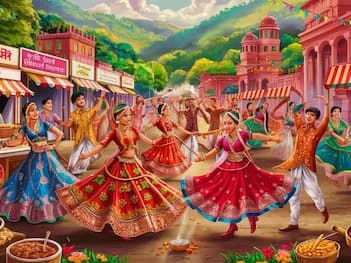
Indian art and culture play a vital role in shaping and reinforcing the nation’s identity. From the ancient cave paintings to the lively classical dances, these forms of expression create a common story that brings together people from different regions and backgrounds. In a country as diverse and expansive as India, these creative traditions help build a sense of unity, keep cultural heritage alive, and inspire pride among its people. This blog delves into how Indian art and culture support the process of nation-building and underscores their lasting importance.
Understanding the Importance of Arts and Culture
Art and culture in India are more than just forms of entertainment; they serve as reflections of societal values, historical struggles, and collective aspirations. When people engage with these artistic expressions, they forge a deeper connection to their heritage. This emotional link plays a vital role in shaping a unified national identity, particularly in a country as diverse as India. Throughout history, art and culture in India have acted as unifying forces.
Ancient empires used sculptures, literature, and performing arts to promote ideas of dharma and national unity. Even today, these traditions continue to inspire new generations, reminding them of a glorious shared past while helping them navigate modern challenges. The significance of arts and culture lies in their ability to bridge linguistic and regional divides, fostering a sense of common ground and mutual respect among people.
Indian Culture and Heritage: Foundations of National Pride
Indian culture and heritage serve as the foundation of the nation’s sense of identity. Monuments such as the Taj Mahal, the temples of Khajuraho, and the frescoes of Ajanta reflect the architectural genius and spiritual depth of ancient times. These structures act as tangible reminders of the achievements and sacrifices of past generations, educating citizens about their rich history.
Through festivals, folk art, and traditional crafts, heritage is passed on from one generation to the next. This continuous transmission helps preserve collective memory and strengthens a shared sense of identity. When young people in India learn about these cultural elements, they cultivate respect for the diversity that exists within the nation’s unity a key part of what defines Indian identity. Additionally, the global recognition of Indian heritage enhances the country’s self-esteem and standing on the world stage.
Indian Art and Culture NCERT Perspectives: Educational Integration
NCERT textbooks on Indian art and culture are essential in the formal education system. Curriculum planners include sections on classical dances, miniature paintings, and various regional art forms to help students understand and appreciate the diversity within Indian culture. This structured method ensures that every child gains insight into the depth and richness of India’s artistic heritage.
NCERT materials also highlight how art has historically contributed to social change and national movements. For example, during the struggle for independence, artists and writers used their creativity to inspire patriotism and spread awareness. By learning about these instances, students come to see that creativity and civic duty are closely connected. This integration in education helps develop citizens who are knowledgeable, respectful, and committed to preserving their cultural legacy.
Importance of Dance in Shaping Collective Identity
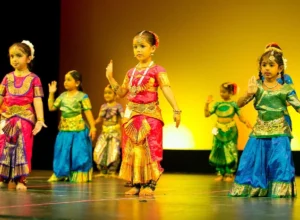
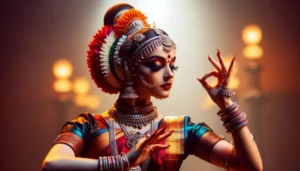
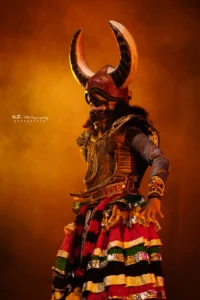
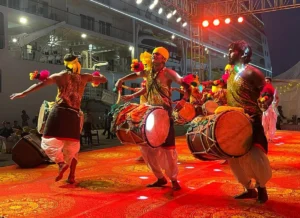
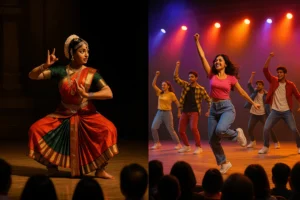
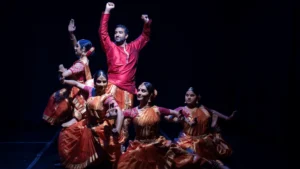
Dance holds a very important place in Indian society. Traditional styles such as Bharatanatyam, Kathak, Odissi, and Kuchipudi share stories from ancient epics while reflecting the unique cultural tastes of different regions. These dances have grown into strong ways of keeping traditions alive and helping people from all over the country connect with each other. Dance festivals and large national gatherings bring together performers from various parts of the country, encouraging the sharing of different cultures.
When people watch these performances, they feel a deep emotional connection, even if they come from different places. In addition, teaching dance in schools and training centers helps young people develop self-discipline, creativity, and a better understanding of their culture. This kind of all-around growth plays a big role in shaping well-rounded individuals and strengthening the collective identity of the nation.
How Visual and Performing Arts Strengthen National Bonds
Visual arts like painting, sculpture, and cinema play a big role in building a nation. Artists such as Raja Ravi Varma, known for his mythological paintings, and modern figures like M.F. Husain have shown the true spirit of India while also talking about today’s problems. These works tell stories through images that people from different times can connect with.
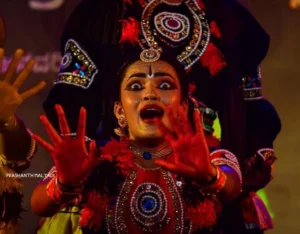
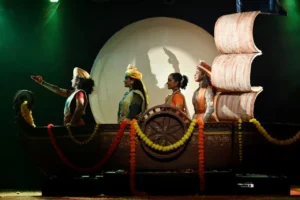
Cinema, which is often considered the most popular art form, has a special place. Bollywood movies often focus on themes like love for the country, unity among people, and pride in culture. They use strong stories to touch the hearts of millions and help spread common values. At the same time, folk arts and theatre in rural areas help keep local traditions alive and link them to the bigger story of the nation.
The Role of Literature and Music in National Awakening
Literature and music have long played a key role in shaping national movements. Poets such as Rabindranath Tagore and Subramania Bharati motivated countless people during the struggle for independence with their powerful and emotional writings. Their works went beyond local languages and helped create a shared sense of identity across the country.
Music, whether in the form of classical ragas or patriotic songs, has a strong ability to make people feel connected to their nation. The national anthem and folk songs still bring out deep feelings of pride and loyalty during public events. These musical experiences leave a lasting emotional impact, helping people feel closely tied to their country.
Challenges and Opportunities in Preserving Indian Art and Culture
Indian art and culture are very important, but they are facing some modern issues like globalization and commercialization. As cities grow, traditional ways of living and practicing art can be forgotten. However, the internet and digital tools are now helping to spread and bring back interest in these traditions.
The government, cultural organizations, and private groups are working together to record and promote Indian art and culture. When people take part in these efforts, they help build a stronger sense of national identity. Schools and families also have a big role in keeping these traditions alive for future generations.
Conclusion
The role of arts in shaping national identity is more important than ever. Indian art and culture offer a deep emotional and intellectual base that helps maintain the country’s unity in diversity. By valuing and participating in these creative forms, people connect more deeply with their heritage and with one another.
As India moves forward, supporting its artistic traditions is key to keeping national identity alive and welcoming. Each painting, dance performance, and literary piece weaves another part into the colorful fabric of what it means to be Indian. Let us honor and safeguard this precious legacy for future generations. Looking to learn more about Indian culture and heritage?
FAQs
Arts and culture foster unity by providing shared symbols, stories, and experiences that transcend regional differences. They instill pride and create emotional bonds among citizens.
NCERT materials introduce students to diverse art forms, helping them understand historical context and cultural values while developing appreciation for India’s heritage.
Dance serves as both artistic expression and cultural education. It preserves traditions, promotes physical and mental discipline, and brings communities together across regions.
Promotion happens through education, digital platforms, festivals, and government schemes. Individuals can participate by learning traditional arts and supporting local artists.
Indian culture and heritage offer unique soft power. Yoga, classical arts, and cuisine enhance India’s global image while reinforcing national identity at home.