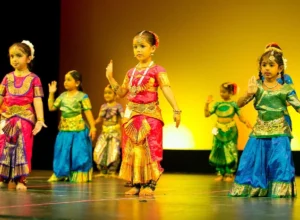
In today’s busy world, parents are always looking for ways to help their children grow in more than just school subjects. Classical dance is one activity that offers a lot of benefits. It’s all about elegance, hard work, and learning about culture, and it’s more than just moving to music. When parents let their kids try classical dance, they’re helping them become more confident, focused, and educated about their culture. This traditional art, especially Indian classical dance, mixes physical activity with emotions and concentration, making it perfect for kids to learn.
At Nandagokula, a top institute in Bengaluru that focuses on teaching and keeping traditional performing arts alive, children can begin this journey. By enrolling their kids in structured dance classes, parents can support their child’s development while giving them a fun way to express themselves.
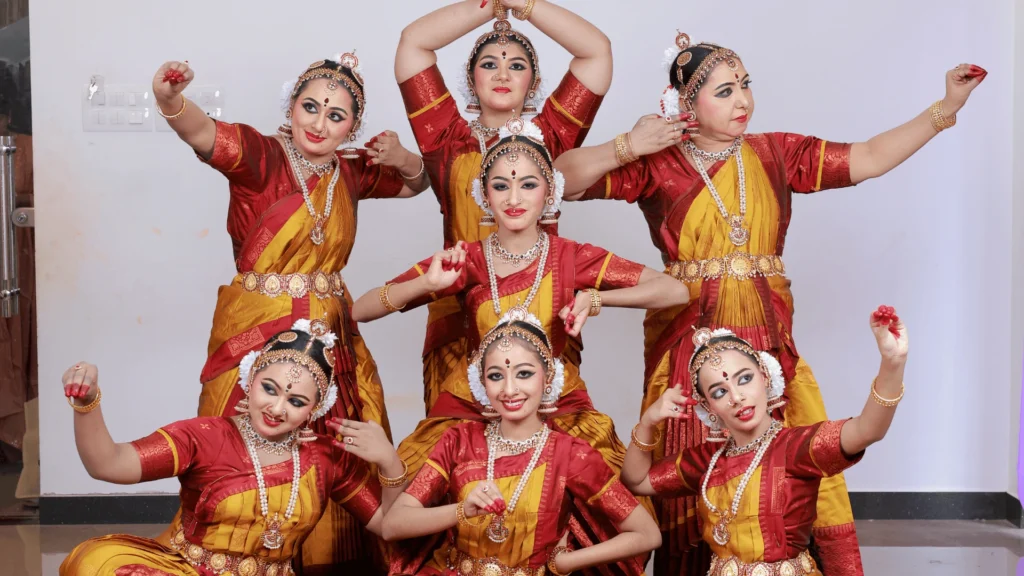
What Makes Classical Dance Special for Children?
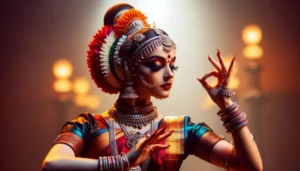
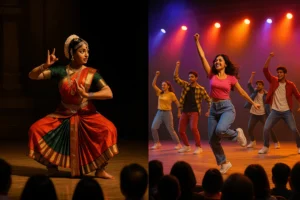
Classical dance is more than just a pastime; it’s a full system that teaches how to coordinate the body and mind, handed down from one generation to the next. Unlike random, informal movements, it requires accuracy, patience, and a strong commitment. Kids who learn Indian classical dance forms learn to match their movements with complex rhythms and express deep emotions through special hand gestures called mudras.
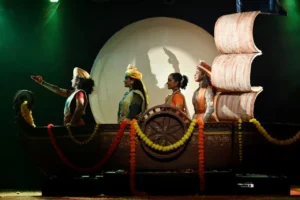
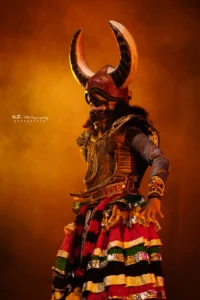
In addition, traditional Indian dances like Bharatanatyam, Kathak, Kuchipudi, Odissi, and others tell unique stories from myths and history. These dances help children connect with their cultural heritage and appreciate the variety within India’s traditions. When children take part in classical dance, they naturally pick up values such as respect, perseverance, and harmony.
Parents often see improvements in their children’s posture and coordination after they start practicing regularly. The structured classes also give kids a safe place to express themselves, cutting down on screen time and encouraging active, thoughtful play.
Importance of Dance in a Child’s Life
Dance is much more than just a form of entertainment. It plays a big role in keeping the body fit, helping with emotions, and building social skills. In today’s world, where kids are under a lot of academic pressure and are often glued to screens, dance offers a healthy way to balance their lives.
When children dance regularly, they improve their heart health, build strong muscles, and become more flexible. But there’s also something deeper happening. Dance helps them use their energy in a positive way. Many parents have noticed that their kids seem calmer and more focused after dancing. The movements, which are both repeated and creative, also help kids learn patience a skill that can make them better in school and help them connect with others.
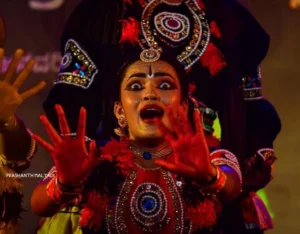
In addition, Indian classical dance is all about telling stories through facial expressions and hand movements. This helps children understand and express emotions better. It builds empathy and emotional awareness, allowing them to feel and share feelings without always needing words. As a result, children grow up to be more thoughtful and emotionally smart people.
Role of Dance in Child Development
Dance plays a big and varied role in how children grow. It helps them in many ways at the same time, like their body, mind, feelings, and how they get along with others. When it comes to the body, learning classical dance makes their core muscles stronger, helps them balance better, and improves their movement skills.
Kids learn to move their feet and align their body properly, which naturally fixes posture problems that come from spending a lot of time with gadgets. They also become more agile and have better endurance, which helps them stay active for a long time. In terms of the mind, remembering complicated dance steps and rhythms helps them remember things better, focus more, and understand space around them.
The discipline needed to learn and perfect dance moves also helps them be more focused in school and manage their time better. On an emotional level, dance is a way for kids to express themselves. Through things like facial expressions and gestures, they learn to understand and deal with feelings like happiness, sadness, or success. This can help lower stress and make them more able to handle challenges. Many studies and parents say that shy kids often gain confidence after performing in front of others.
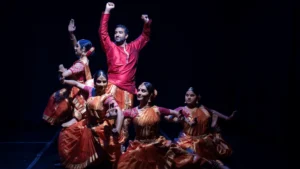
When it comes to social skills, dancing in groups and performing together helps kids work as a team, respect their teachers and friends, and connect with different cultures. They learn to support each other while also celebrating their own progress, which helps them feel good about themselves and fit into a community.
Exploring Traditional Dance Forms of India
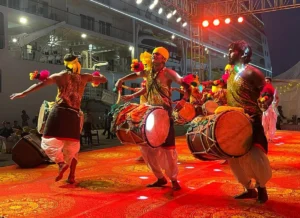
India has a long and rich history of traditional dances that are widely appreciated around the world for their deep artistic value. The Sangeet Natak Akademi, which is a key cultural organization in India, has officially recognized eight classical dance forms. Each one comes from a different part of the country and has its own unique style. Bharatanatyam, from Tamil Nadu, is known for its precise movements and the way it tells stories through expressive gestures. Kathak, originating from northern India, is famous for its quick footwork and graceful spins. Odissi, from Odisha, is admired for its flowing movements and the way it draws inspiration from ancient temple art.
Other recognized forms like Kuchipudi, Manipuri, Mohiniyattam, Kathakali, and Sattriya each have their own special characteristics and reflect the beliefs and traditions of their regions.
When children study these dances, they not only learn the skills involved but also gain an understanding of the stories and cultural values that are part of each performance. This helps them develop a broader perspective on the world and fosters a sense of pride in their Indian heritage. Parents can help their children find a dance form that matches their personality. Kids who are lively and enjoy movement might find Kathak exciting, while those who appreciate grace and elegance may feel more at home with Bharatanatyam or Odissi.
Physical and Mental Benefits of Learning Classical Dance
Encouraging classical dance is highly beneficial for overall health. Physically, it offers a complete workout that strengthens muscles, improves flexibility, and enhances coordination, all without the dullness of regular gym exercises. Kids also gain better balance and posture, which helps keep their bones strong and healthy.
Mentally, the concentration needed during dance classes helps improve focus and thinking abilities. The slow, controlled movements have a calming effect, which can reduce stress and encourage a mindful state of mind. Many children feel more confident as they learn and perform difficult sequences, and they enjoy the positive feedback from others.
Moreover, Indian classical dance combines music and rhythm, which helps develop listening skills and a strong sense of timing. These abilities can support learning in other areas such as language and math.
Why Choose Dance at Nandagokula?
For families in Bengaluru and other areas, dance at Nandagokula offers a caring place where kids can learn classical dance. The institute is run by experienced teachers who focus on teaching real Indian classical dance in a fun and engaging way for young students.
Classes are designed for different age groups, so each child can learn at their own pace. Every student gets individual care that helps them improve their skills while also building self-confidence. Nandagokula also organizes performances and workshops that give kids a chance to perform on stage, helping them feel comfortable and confident in front of an audience early on.
Parents love how the institute combines traditional dance with modern teaching methods, creating a well-rounded learning experience. Whether your child is just starting out or has a natural feel for dance, Nandagokula offers a friendly and encouraging environment where kids can grow naturally. To learn more about the programs and sign up for classes, visit nandagokula.com.
How Parents Can Encourage Kids to Start Classical Dance
Encouragement starts with being around it. Take kids to live shows or watch good recordings of traditional Indian dances together. Talk about the stories and feelings behind the movements to make it interesting for them. Pick a trusted school like Nandagokula that mixes fun with discipline. Go to trial classes to make sure it’s a friendly and welcoming place. Keep things positive by celebrating small wins like learning a new step or performing in a show to keep them motivated.
It’s better to practice a little every day than to do a lot sometimes. Regular, short practice sessions help more in the long run. Most importantly, parents should show excitement and be patient, so the child sees learning classical dance as a fun adventure, not just about showing off.
Conclusion
Encouraging children to learn classical dance is one of the best things parents can do for their kids. Dance plays a key role in a child’s growth, helping them build physical strength, mental focus, emotional balance, and a sense of cultural pride. Indian classical dance and the rich variety of traditional dance styles from India offer long-lasting benefits that help children face future challenges while making their current experiences more meaningful.
Places like Nandagokula make it easy for families to access quality dance education. By enrolling their children at Nandagokula, parents give them expert guidance and a supportive community that values the arts. It’s time to go beyond typical after-school activities and choose something that truly helps children grow in every way.
Discover how classical dance can change your child’s life. Visit nandagokula.com to learn about classes, workshops, and performance chances that can inspire your child’s development.
FAQs
The importance of dance lies in its ability to support physical fitness, emotional expression, cognitive skills, and social development simultaneously. Regular practice builds discipline, confidence, and cultural awareness while providing a healthy creative outlet.
The role of dance in child development includes improved motor skills, better concentration, enhanced emotional intelligence, and stronger self-esteem. Classical dance particularly helps children develop grace, focus, and resilience through structured training.
Popular traditional dance forms of India suitable for kids include Bharatanatyam for its clear structure, Kathak for energetic footwork, and Odissi for graceful movements. Institutes like Nandagokula guide parents in selecting the right form based on the child’s interest and aptitude.
Dance at Nandagokula offers authentic training in Indian classical dance with experienced teachers in a supportive environment. The institute focuses on both technique and enjoyment, making it ideal for children to build lasting skills and confidence.
Yes, learning classical dance often enhances focus, memory, and discipline skills that positively influence academics. The mental engagement required in mastering rhythms and sequences translates into better concentration during studies.