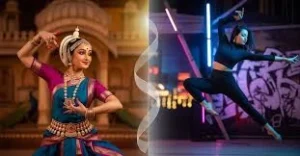
Dance has always shown how people express themselves, influenced by culture, feelings, history, and new ideas. Whether it’s the smooth and detailed moves of Indian classical dance or the open and creative movements of contemporary dance, every step shares a story. But there is a question that many students, parents, and dancers often talk about: which style should get more attention in a good dance education?
The answer is that both are important. When dance learning includes both old traditional styles and new movement forms, students get something more than just skills. They gain a better understanding of different ways to express themselves. This blog looks at five strong reasons why it’s important for dancers to appreciate both styles, and how places like Nanda Gokula are helping to support this balanced way of learning.

Traditional Dance Forms Root You in Cultural Identity
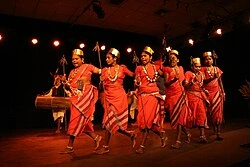
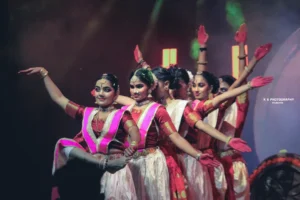
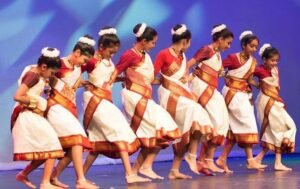
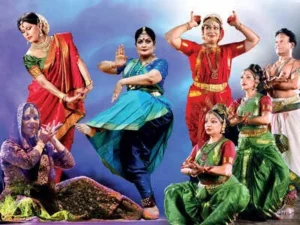
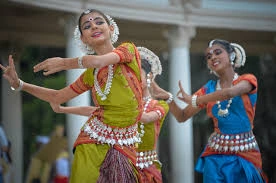
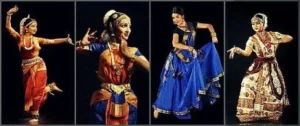
Learning a traditional dance form can be a powerful and life-changing experience. When a student begins studying Indian classical dance, such as Bharatanatyam, Kathak, Odissi, or Kuchipudi, they are not just learning steps and movements. They are connecting with a long history of stories, important ideas, and deep spiritual feelings that are expressed through every movement and facial expression.
Training in traditional dance builds important qualities like discipline, patience, and a strong understanding of how the body works. Practicing Indian classical dance requires a lot of effort and time, and through this, students gain a deep knowledge of rhythm, expression, and how to move in space. These skills are important for any dancer, no matter what style they later choose to follow.
Also, traditional dance helps people feel more connected to their culture and heritage. When young dancers learn through movement, they not only develop their art but also grow a stronger sense of who they are and where they come from.
Contemporary Dance Expands Creative Freedom
While tradition keeps a dancer grounded, contemporary dance lets them fly. Unlike classical dance, which follows strict rules and set movements, contemporary dance lets dancers explore, think differently, and come up with new ideas. It focuses on feelings, big ideas, and trying new things instead of sticking to specific steps.
Contemporary dance has a lot of influences from different dance styles around the world, like ballet, jazz, release technique, and traditional dances from many countries.
It’s an art form that keeps changing and grows with the times. For dancers learning the craft, studying contemporary styles helps them express themselves in new ways. They learn to pay attention to their body, question what movement means, and work together in creative ways. This freedom helps build confidence and a deeper understanding of art that goes beyond the dance studio.
Dance Education That Combines Both Styles Produces Well-Rounded Artists
The most famous dancers in the world aren’t usually limited to just one style. Many professional dancers who started with Indian classical dance have added elements of contemporary dance to their performances, creating shows that are both traditional and fresh. Likewise, contemporary dancers who learn traditional dance forms add a deep and meaningful quality to their work that is clearly different.
A dance education that covers multiple styles is much better than one that focuses only on one. Students who learn different styles become more physically skilled, better at moving with music, and have a wider range of artistic expressions. They are also more able to work with artists from different backgrounds, team up with people from various traditions, and perform in many different settings.
Companies like Nanda Gokula understand this idea well. Their program respects the rich traditions of Indian classical dance while also giving students the freedom to explore and grow beyond those traditions, making their dance learning experience truly complete.
Dance Training in Multiple Styles Improves Physical and Mental Well-Being
Dance is one of the best ways to get a full body workout. But different kinds of dance work the body in different ways. For example, traditional dances like Bharatanatyam focus a lot on posture, endurance, and footwork. On the other hand, contemporary dance focuses more on smooth movement, working on the floor, and being able to move freely and create new movements on the spot.
When dance training includes both styles, students get a more balanced physical development. Some muscles that are not used much in one style are used in another. The strict techniques in traditional dance can be softened by the more open and creative approach of contemporary dance. At the same time, the disciplined focus of traditional dance helps bring balance to the more free and expressive nature of modern movement.
Besides the physical benefits, there are also mental advantages. Traditional dance has a meditative feel, with an emphasis on breath, stillness, and being focused. This matches with the emotional expression that contemporary dance encourages. Together, these styles help support a more complete sense of well-being that you can’t get from just one style alone.
Appreciating Both Dance Forms Prepares You for a Lifelong Love of Movement
Dance is not just a short period in life; it’s a long-term connection with movement, music, and meaning. Students who only learn one style of dance often face a choice as they grow older: they either stay stuck in that style or feel unsure about trying new ones.
When dance education includes both traditional and contemporary styles, it helps students develop a lasting interest. They learn that dance isn’t about choosing between old and new, classical and modern, or structured and free. Instead, they see it as a continuous path where each style influences and adds value to the others.
This way, dance training becomes more than just aiming for perfection it becomes a lifelong adventure of learning. A dancer who has studied Indian classical dance and also explored contemporary dance will carry both styles with them throughout life, whether they are performing, teaching, or just dancing for fun. If you’re looking for a place where this full picture of dance education is lived out, visit Nanda Gokula, where traditional and modern dance are both celebrated equally.
Conclusion
Dance, in every form, is a way to communicate that goes beyond words. The special thing about learning dance is that it brings together old traditions and modern ideas. Traditional dances, especially the rich tradition of Indian classical dance, give you a deep understanding of culture, hard work, and beautiful art. At the same time, modern dance lets you think, grow, and express yourself in new and free ways.
The five reasons in this blog show clearly that a good dance education includes both. Whether you’re a parent picking the best dance class for your child, a student looking for your own creative voice, or a teacher making a meaningful lesson plan, remember that both kinds of dance have something amazing to share. Take a step into the whole world of dance. Respect its beginnings. Explore new possibilities. And never stop moving.
FAQs
Learning both styles gives dancers a complete artistic foundation. Traditional dance forms offer cultural depth, discipline, and technical rigour, while contemporary dance encourages creative freedom and personal expression. Together, they shape well-rounded performers who are adaptable, expressive, and deeply connected to the art of movement.
Dance education can begin as early as three to four years of age, with age-appropriate movement and rhythm activities. Formal dance training in structured styles like Indian classical dance is typically introduced between the ages of five and seven, though it is never too late to begin learning any dance form.
Indian classical dance develops far more than physical technique. It enhances concentration, memory, emotional intelligence, and cultural awareness. The structured nature of dance training in classical styles also builds discipline and perseverance — qualities that are carried into every aspect of a student’s life.
Yes, contemporary dance can be learned independently. However, students who have a background in traditional dance forms often find that their classical training gives them a stronger sense of body awareness, rhythm, and intention making their exploration of contemporary dance richer and more informed.
Nanda Gokula offers a thoughtfully designed dance education programme that integrates the precision of Indian classical dance with the expressive possibilities of contemporary dance. Their faculty brings together deep expertise in multiple dance forms to create a learning environment that is both rigorous and nurturing.