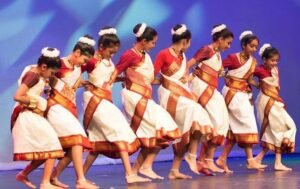
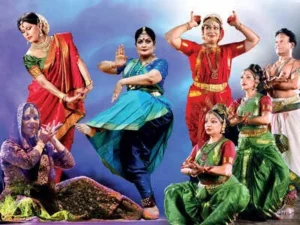
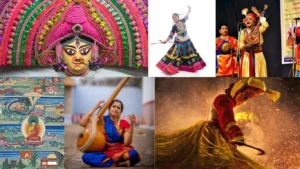
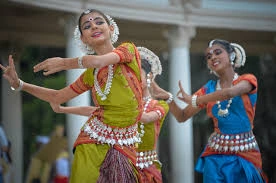
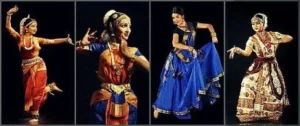
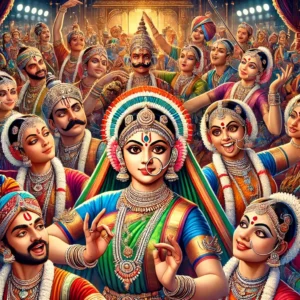
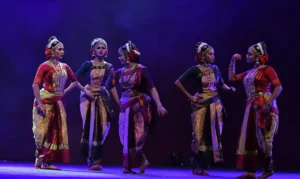
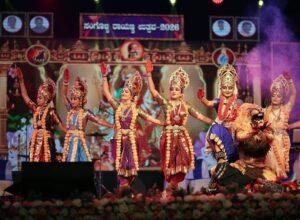
In the lively world of Indian performing arts, traditional dance is a strong way to show culture, feelings, and hard work. Whether it’s on a stage or during a festival, doing well in traditional dance needs more than just natural ability. Many connected things help create a strong and real performance. This article looks at the key things needed when performing traditional dance, with a special look at Karnataka’s rich history.
The Foundation of Traditional Dance And The Efforts Required
Unlike contemporary dance, traditional dance is much more about culture, history, devotion, and even identity. In generations, traditional dances have helped preserve the stories, rituals, and beliefs of civilizations. Every step of traditional dances comes with great significance that makes this art form unique and meaningful.
Discipline, storytelling, musicality, and cultural connections form the basis of traditional dances. Dancers invest years practicing postures, facial expressions, rhythm, and coordination in order to be able to truly represent their art form. To understand traditional dances, one should possess dedication and practice a lot.
To conserve traditional dances, the involvement of many people is needed, including performers, teachers, and other artists. Involvement of young generations in learning classical and folk dance is necessary if we want to preserve our culture. Dance schools, festivals, and even special events are highly important.
Karnataka Dance Form: Technique and Precision Matter
Karnataka dance beautifully shows how important it is to have strong technical skills. Forms like Yakshagana, Dollu Kunitha, and Bharatanatyam need quick, controlled movements and good body posture. Every step, hand gesture, and eye movement has to be done carefully and exactly right.
When dancers learn the technique well, their performance looks smooth and professional.Being able to move easily between fast and slow beats shows how well they control their body. So, regular practice with a skilled teacher is very important for improving these abilities.
Classical Dance Forms of Karnataka and the Role of Rhythm
Rhythm and timing are highly important in classical dances of Karnataka. The dancer is required to synchronize her movements in total coordination with the music being played. Any lapse in this respect can create discord in the overall performance.
It takes a lot of time for dancers to coordinate well and learn the rhythm in dance. The dancer learns to listen to the pattern through ears and reacts through her feet simultaneously.
Expression and Emotional Connect in Traditional Dance Forms
Abhinaya, an intriguing component of dance forms, refers to expression. Dancers make use of expressions through eyes and hand gestures to portray stories and emotions. Even though a dance form might be flawless in execution, without emotions, a dance form seems dry.
When dancers learn to associate themselves with the character or topic of the story, then the dance becomes a moving one. The emotion that the dancers display while performing arises from their thorough knowledge about the myths and poetry related to the particular culture.
Costume, Makeup, and Presentation Factors
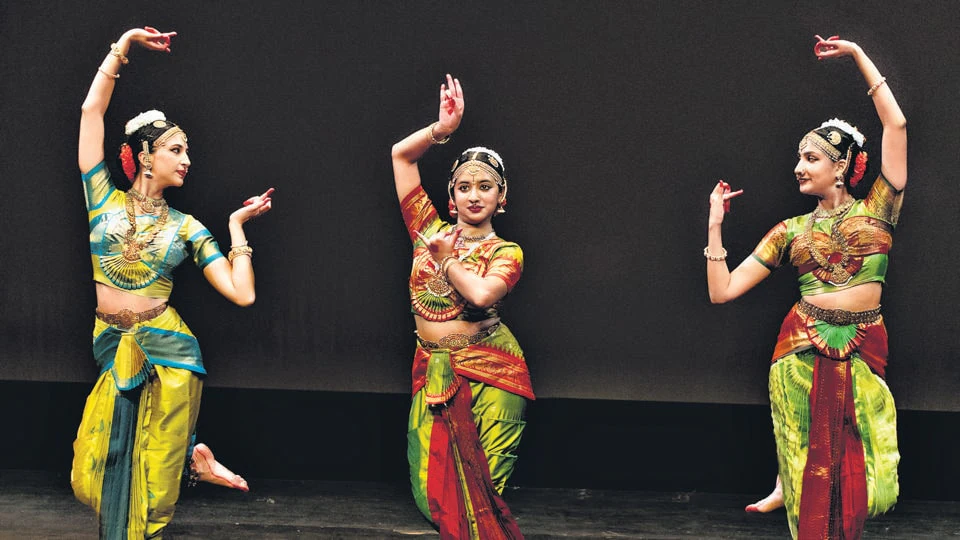
Visual effects make a traditional dance performance much more interesting. Costumes, accessories, and even makeup play an important role here and become part of the story being told.
Colors and decorations used serve as means of conveying the characters’ feelings and features.The dancers must be dressed in such a way that they can freely move but still look impressive. The dancers’ posture and confidence is another factor that influences how a dance performance looks.
Mental Focus, Discipline, and Consistency
Effective execution of traditional dances calls for great mental strength. It is important to be fully focused and cope with stage fright all through the performance. Through consistent practice, dancers develop such kind of mental strength gradually.
Consistency in practice is what distinguishes average performers from great performers. Consistent practice allows building muscle memory, and thus, movements become fluid and seem natural.
Dance Learning: The Pathway to Mastery
Learning dance is vital to success in traditional dance. As a novice, one begins with simple moves, moving on to complicated choreographies. With good instructors, the dancer learns both the dance techniques and the cultural and spiritual aspects of the practice.
Dance learning programs enable the student to know all the vital elements systematically. Such programs create an ideal atmosphere for developing the physique, technique, rhythm, and emotion simultaneously.
Integrating All Factors for an Outstanding Performance
This combination of all these factors results in reaching the true potential of traditional dance performances. Good physical fitness enables technical skill, good rhythm enables good expression, and correct presentation adds to its effect.
This makes the traditional dance an ideal art form because it enriches both the dancer and the spectator. Dancers from Karnataka, and even from other parts of India, are continuing to practice these traditional dance forms, but with a new perspective on stage performances.
Conclusion
Learning traditional dances requires a lot of commitment in many different ways. Physical strength, precision, emotionality, and cultural knowledge are all necessary components in order to create amazing performances.
Through emphasizing these important aspects, one will be able to learn to perform amazing dance performances through genuine dance practice. If you are enthusiastic about learning more about traditional Karnataka dances or any other dances, professional instruction will significantly improve your performance.
FAQs
The most crucial factors of Karnataka dance form consist of physical fitness, accurate rhythm, abhinaya, and constant practice. These factors provide effective performances.
Classical dance forms of Karnataka enhance performance abilities by means of systematic dance training which implies proper training in technique, expressive skills, physical endurance, and emotional connection with spectators.
It is crucial to have dance training because it helps dancers get well-trained in terms of all factors that matter for traditional dances, such as posture and rhythm.
Physical preparations for performance of traditional dances imply a good level of physical stamina, flexibility, abdominal muscles, and general physical fitness.
Professional training on authentic Karnataka dance forms can be learned from Nandagokula.