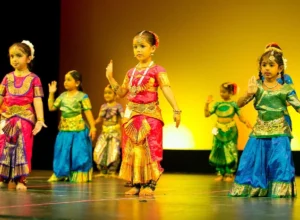
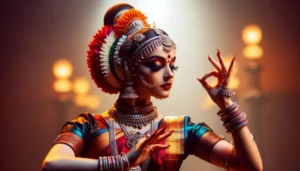
Indian dance captivates audiences worldwide with its vibrant colors, intricate movements, and rhythmic beats. Yet, it transcends mere performance or amusement. Indian dance serves as a profound expression of spirituality, history, emotion, and identity. When viewers witness a dancer’s graceful mudras or powerful footwork, they engage with centuries of tradition that continue shaping lives today.
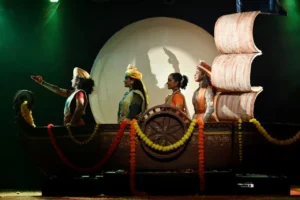
This ancient art form, deeply embedded in Indian culture and heritage, communicates stories from epics like the Ramayana and Mahabharata while fostering personal discipline and community bonds. Far from simple entertainment, Indian dance acts as a living bridge between past and present. It preserves wisdom and promotes well-being in a fast-paced modern world.
The Spiritual Roots of Indian Dance
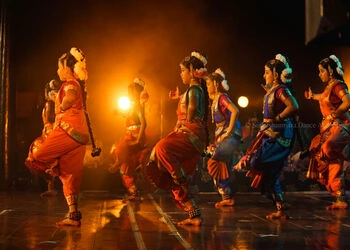
Indian classical dance has its roots in the Natya Shastra, an old text written by Bharata Muni. This book sees dance not just as play or fun, but as a serious and sacred art that brings together the body, mind, and spirit. Dancers express emotions and create a special kind of beauty called rasa, which helps both the performer and the audience feel connected to something greater than themselves.
Many styles of this dance began in temples, where dancers performed as a way to honor the gods. This spiritual aspect makes Indian dance more than just movement; it becomes a form of meditation and devotion that helps raise awareness and calm the mind.
Importance of Indian Dance in Preserving Traditions
Indian dance serves as a living bridge to the country’s rich cultural past. Through carefully crafted movements and expressive gestures, dancers breathe life into ancient mythology, timeless moral wisdom, and the diverse histories of India’s many regions. In an increasingly interconnected world, safeguarding these art forms has taken on greater urgency than ever before. Organizations such as the Indian National Trust for Art and Cultural Heritage (INTACH) are at the forefront of this effort, raising public awareness and championing the recognition and continued support of India’s treasured artistic heritage.
Classical Dances of Indian States: A Diverse Tapestry
India’s extraordinary regional variety finds vivid expression in its classical dance traditions, each rooted in a distinct state. These art forms embody the particular spirit, environment, and historical journey of their birthplace, yet together they weave a shared cultural identity for the nation.
- Bharatanatyam from Tamil Nadu features precise footwork, expressive eyes, and geometric movements rooted in temple traditions.
- Kathak from Uttar Pradesh emphasizes fluid storytelling, spins, and rhythmic complexity influenced by both Hindu and Mughal elements.
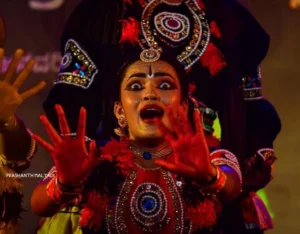
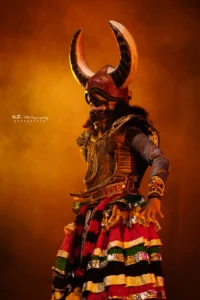
- Kathakali from Kerala uses elaborate makeup and costumes for dramatic mythological enactments.
- Odissi from Odisha presents graceful, sculptural poses inspired by temple carvings.
- Other recognized forms include Kuchipudi (Andhra Pradesh), Manipuri (Manipur), Mohiniyattam (Kerala), and Sattriya (Assam).
Could you please share the full text you’d like me to rewrite? I only see the introductory sentence so far. Paste the complete content and I’ll rephrase it to be original while preserving the meaning.
Health and Personal Benefits of Practicing Indian Dance
Indian dance is far more than a cultural tradition; it is a demanding physical discipline that cultivates strength, flexibility, balance, and stamina over years of dedicated practice. Students frequently notice meaningful improvements in their posture and body awareness as their training deepens.
The art form also nurtures the inner life of its practitioners. Through abhinaya the nuanced language of facial expression and gesture dancers develop a heightened capacity to understand and convey complex human emotions, fostering greater self-awareness and psychological resilience. Both Ayurvedic philosophy and contemporary research point to dance as a practice that unites body and mind in a uniquely powerful way.
For young learners, classical Indian dance builds qualities that extend well beyond the studio: discipline, sustained concentration, and a living connection to their heritage. For adults returning to or discovering the art form later in life, it frequently becomes a meaningful source of stress relief and personal renewal.
Indian Dance as a Tool for Social Connection and Expression
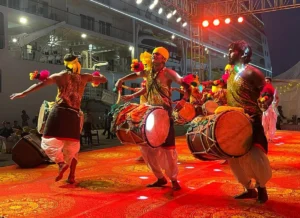
Indian dance serves as a powerful social glue, bringing people together at festivals, weddings, and communal gatherings. While classical forms carry centuries of codified technique, folk traditions offer something equally vital a mirror to daily rural life, agricultural rhythms, and regional storytelling. Together, they create spaces where participation transcends social boundaries.
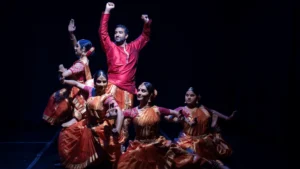
For Indian communities living abroad, dance studios and stage performances become anchors of cultural memory, helping younger generations stay connected to their roots. At the same time, these performances open a window for international audiences, turning artistic exchange into genuine cross-cultural dialogue.
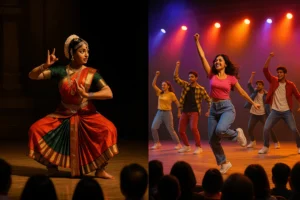
Today’s choreographers are pushing the form further, weaving traditional vocabularies together with contemporary concerns from gender equity to environmental awareness ensuring the art stays socially engaged. Rather than existing as a museum piece, Indian dance continues to breathe, adapt, and speak to the present moment.
Challenges and the Path Forward
Despite its richness, Indian classical dance faces challenges such as commercialization and declining interest in some regions. However, dedicated gurus, academies, and institutions continue transmitting knowledge with passion.
Support from bodies like INTACH and cultural ministries plays a crucial role in documentation, training, and promotion. Individuals can contribute by attending performances, learning basic forms, or simply sharing the beauty of this heritage.
Conclusion
Indian dance transcends the boundaries of performance. It is a living vessel for spirituality, cultural memory, emotional storytelling, physical mastery, and shared celebration. From ancient temple courtyards to contemporary stages across the globe, these traditions carry timeless narratives while gracefully evolving with each new generation.
In honoring this extraordinary art form, we acknowledge its capacity to shape lives and bridge diverse human experiences. Whether you find yourself captivated by a seasoned performer or nervously attempting your very first steps, Indian dance extends an invitation toward personal growth and a profound sense of belonging. It speaks a language older than words, one in which movement itself becomes the voice of the human spirit.
To explore, preserve, and immerse yourself in these living traditions, Nandagokula offers a space where genuine passion for Indian culture and heritage is woven into every class, every rhythm, and every celebration.
FAQs
Indian classical dance follows strict rules from the Natya Shastra, integrating precise technique, facial expressions, and spiritual intent, unlike many contemporary styles focused primarily on entertainment.
The importance of Indian dance lies in its ability to teach discipline, cultural values, history, and emotional intelligence while providing excellent physical exercise.
Eight classical dances receive primary recognition by the Sangeet Natak Akademi, each linked to specific states and reflecting regional heritage.
Yes, practicing Indian dance promotes mindfulness, emotional expression, stress relief, and overall well-being through its holistic approach.
The Indian National Trust for Art and Cultural Heritage (INTACH) works on awareness, conservation, and promotion of India’s artistic heritage, including support for classical dance forms and their practitioners.