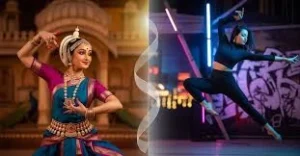
Indian culture has been going on for thousands of years, and one of the most lively ways it stays alive is through dance. Traditional Indian dance acts as a way to connect people across generations, sharing stories, values, and feelings through elegant movements. Whether in old temple areas or on today’s stages, these dance forms help keep the rich history of India alive. This blog looks at how traditional Indian dance helps pass down culture, keeping traditions going through music, expression, and deep devotion.
Indian Dance and Traditions
Indian dance and traditions are closely connected, showing the country’s spiritual, social, and historical background. In India, dance is more than just a form of entertainment. It is a sacred activity based on the Natya Shastra, an old book about performing arts written by Bharata Muni. This book laid the groundwork for both classical and folk styles that still influence cultural identity today.
Over many years, through different events like invasions, people moving from one place to another, and changes in society, traditional Indian dance has changed in some ways but kept its main ideas.
The movements, hand gestures called mudras, and expressions on the face tell stories from famous stories like the Ramayana and Mahabharata. When young dancers study these things, they learn not only how to move but also the lessons, ideas, and history that are part of them. This helps keep Indian culture alive and connected to where it started.
Classical Dance and Storytelling
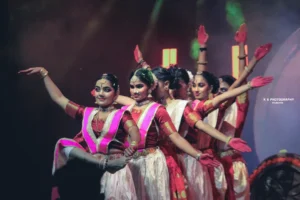
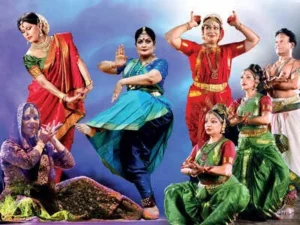
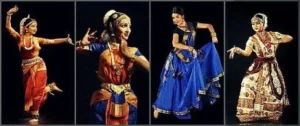
Classical dance and storytelling are key ways that culture is passed down in India. Forms like Bharatanatyam, Kathak, Odissi, Kuchipudi, and Manipuri are known around the world for their rich traditions and deep meaning. Each style has its own special feel from different regions, but they all share important parts like abhinaya, which is about expressing feelings through movement, and nritta, which is pure dance without a story.
In Bharatanatyam, dancers show stories from Hindu myths using very clear footwork and expressive eye movements. This helps the audience feel the emotions of the characters, making old stories feel fresh and important today. Kathak, on the other hand, uses quick spins and rhythmic footwork to tell stories about Krishna and Radha or life in Mughal courts. These performances teach people about important ideas like duty, devotion, and action.
Parents and teachers often say that learning classical dance takes a lot of hard work, patience, and respect for the traditions. Students not only learn how to move but also understand the meaning behind each movement. Because of this, traditional Indian dance becomes a strong way to keep cultural knowledge alive from one generation to the next.
Folk Dance Traditions in India
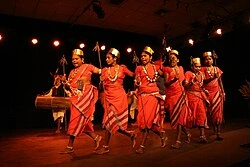
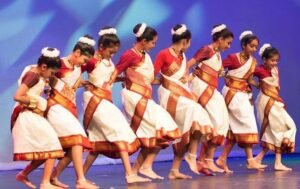
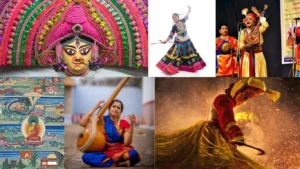
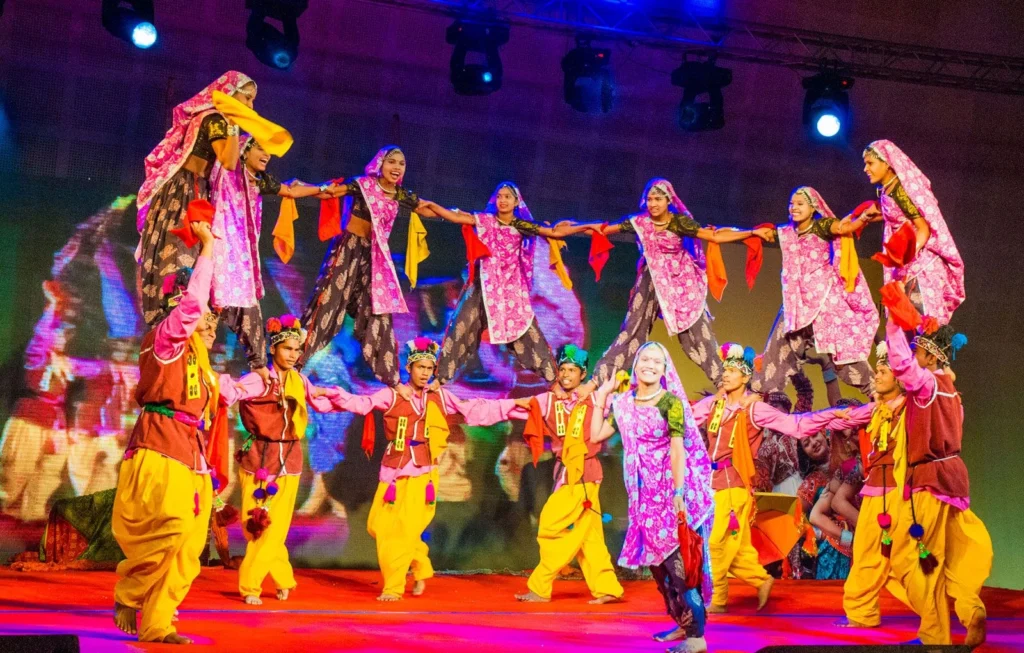
Folk dance traditions in India add bright and colorful parts to the country’s culture. Unlike classical dances, folk dances are about the community and are often connected to seasons, festivals, and everyday life. They celebrate things like harvests, weddings, and local stories, making culture easy for everyone to enjoy.
In Punjab, Bhangra and Giddha bring excitement and energy to people during festivals like Baisakhi. In Rajasthan, Ghoomar is a dance where women spin gracefully in bright clothes. Maharashtra’s Lavani is known for its strong emotions and messages about life. In the Northeast, dances like Bihu and Cheraw show how tribal people connect with nature.
These folk dances help pass culture naturally. Kids in villages start learning by watching and copying dances from a young age. The costumes, music, and group movements help bring people together and make them proud of their region. So, folk dance traditions in India are a great way to keep culture alive through movement, helping even faraway places keep their unique cultural identities.
Preserving Heritage Through Dance
Preserving heritage through dance has become more important now than ever. As the world becomes more connected, traditional Indian dance helps younger people stay tied to their culture and history. Many groups and government programs back dance schools to keep these art forms alive.
Gurus are key in passing on knowledge through the teacher-student tradition. This close, personal way of teaching makes sure that the special style and deep emotions of the dance are shared properly. Families also help by letting kids learn dance along with other subjects, which helps them grow in many ways.
Additionally, dance festivals such as the Khajuraho Dance Festival and Konark Dance Festival give artists from different parts of the country a chance to show their traditions. These events help spread awareness and build appreciation among people from all walks of life. By keeping up with regular practice and performances, traditional Indian dance keeps changing while still protecting India’s important cultural heritage.
The Role of Music, Costume, and Rituals
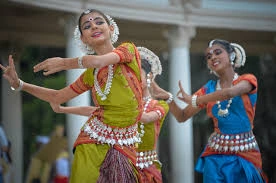
Traditional performing arts mix music, costumes, and rituals with dance in a smooth way. Carnatic and Hindustani music are played during classical dances, which help express strong emotions. Dancers wear complex jewelry, colorful sarees, and special makeup to look like characters from ancient stories, making both the dancers and the audience feel deeply connected to the story and culture.
Before the show starts, there are often special rituals like lighting candles or praying to Lord Nataraja, the god of dance. These rituals create a sense of respect and focus. When people see all these parts together, they learn more about Indian beliefs and artistic ideas. This complete experience helps teach about Indian culture in a meaningful way through dance.
Challenges and Modern Adaptations
Traditional Indian dance has some great qualities, but it also faces some difficulties. More people are moving to cities, and younger generations are not as interested in learning these dances. However, some creative artists are mixing classical and folk styles with modern topics. They are talking about important issues like fairness between men and women and taking care of the environment. By combining old and new, they are making performances that reach more people around the world.
Learning Indian dance is now easier because of online lessons and virtual shows. Young dancers are trying new styles, like those from Bollywood, but they still study the traditional ways. These changes show that Indian dance and culture can keep growing while staying true to their roots.
Conclusion
Traditional Indian dance is a beautiful and powerful way to pass down Indian culture from one generation to the next. Whether it’s the careful movements of classical dances or the lively fun of folk celebrations, dance shows the values, stories, and feelings that make up Indian culture. It links the past with today and helps future generations keep this rich tradition alive.
When people support dance classes and go to performances, they help keep this cultural heritage strong. The beat keeps going, the stories keep being told, and Indian culture continues to shine brightly all around the world.
FAQs
Traditional Indian dance preserves culture by transmitting stories, values, and traditions through movements, music, and expressions passed from gurus to students across generations.
Folk dance traditions in India are community-based and celebrate local festivals and daily life, while classical forms follow structured techniques from the Natya Shastra and focus more on spiritual and mythological storytelling.
Popular choices include Bharatanatyam for its expressive storytelling, Kathak for rhythmic brilliance, and Odissi for graceful sculpturesque poses. Each form offers deep insights into Indian dance and traditions.
Heritage is preserved through dance via formal training in academies, cultural festivals, family encouragement, and digital platforms that make traditional performing arts accessible to wider audiences.
Yes, learning traditional Indian dance helps children understand their roots by immersing them in mythology, history, moral values, and regional customs through active participation and performance.