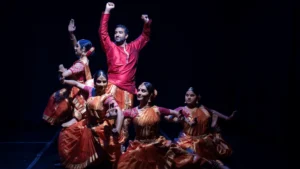
Classical dance has been a strong way for people to express themselves and change who they are. When someone really gets into the structured movements and flowing steps of dance, they often find big changes in their personality and how they see themselves. This article looks at the many benefits of dance that go beyond just getting fit, showing how classical dance helps with personal growth and builds lasting confidence. Whether someone sticks to traditional styles like Indian classical dance or tries out new forms, the experience of dancing opens up paths for overall development.
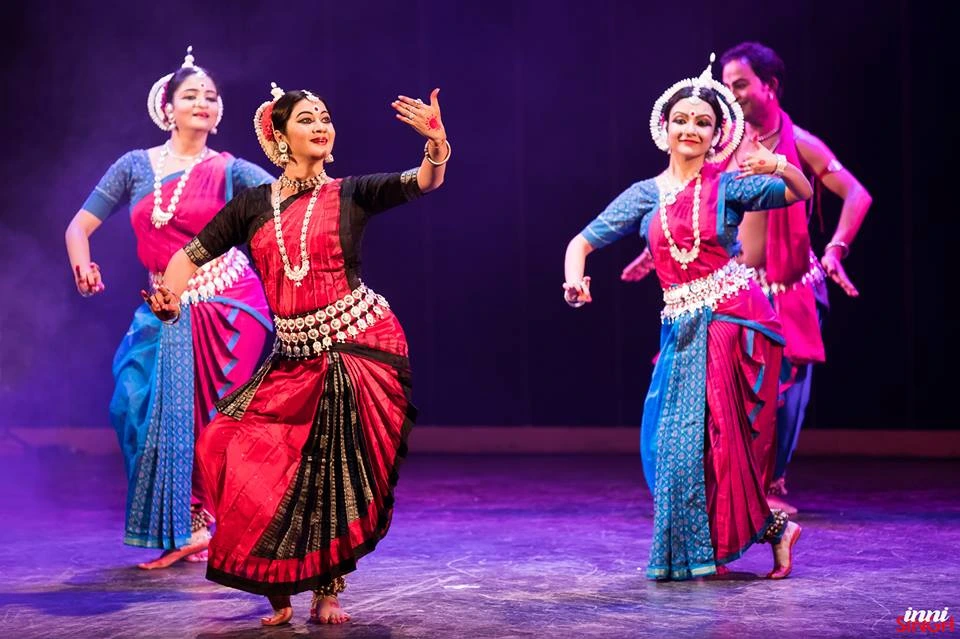
The Foundation of Classical Dance in Personal Development
Classical dance has been a strong way for people to express themselves and change who they are. When someone really gets into the structured movements and flowing steps of dance, they often find big changes in their personality and how they see themselves. This article looks at the many benefits of dance that go beyond just getting fit, showing how classical dance helps with personal growth and builds lasting confidence. Whether someone sticks to traditional styles like Indian classical dance or tries out new forms, the experience of dancing opens up paths for overall development.
What is Contemporary Dance and Its Relation to Classical Forms
While classical dance forms are the main focus of this discussion, it’s also helpful to look at how they are changing over time. What is contemporary dance? It’s a flexible and expressive style that goes beyond traditional rules. It mixes techniques from different dance styles with spontaneous movement and personal stories. Unlike classical dances, which have strict postures, contemporary dance is more about freedom and showing real emotions.
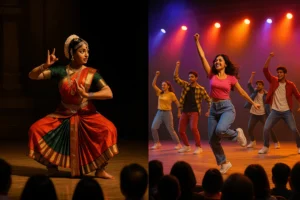
Dancers often move between classical and contemporary styles. This mix helps them develop a broader range of skills and grow as artists. Classical training gives them a strong technical base, while contemporary dancing lets them explore their creativity. Together, these styles help artists become more adaptable and versatile in their work.
How to Learn Indian Classical Dance: A Step-by-Step Journey
Many new learners are curious about how to start learning Indian classical dance. The journey begins by choosing a style that fits their interests and physical abilities, such as Bharatanatyam, Kathak, Odissi, or Kuchipudi. Qualified teachers or schools provide organized lessons that move from simple hand movements and steps to more complex dances.
Regular practice is key. Students often begin with one class a week and then add more sessions as they get more comfortable. Practicing at home helps them remember what they learn in class, and performing in front of others helps them grow faster. As they continue, they start to understand the stories and meanings behind the dances, which helps them connect with the culture and develop a sense of pride and emotional awareness.
The benefits of dancing show up early on. Within a few months, students notice better posture, increased flexibility, and improved energy levels. More importantly, they build mental strength as they deal with the challenges of learning new moves and performing confidently in front of people.
How Performing Arts Build Confidence Through Classical Dance
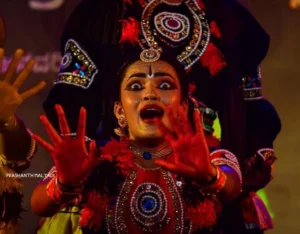
Performing arts, especially dance, are well-known for helping people build confidence. In classical dance, performers often have to be in the spotlight, expressing complex emotions through their faces and body movements. Every successful performance helps them believe in themselves more.
This change happens slowly. At first, dancers might feel scared during their first performances or debut shows. But as they perform more, they get used to being judged. They learn to turn their nerves into strong and meaningful expressions. This ability to express themselves confidently carries over into public speaking, job interviews, and everyday conversations. Many people in different careers say that their dance experience helped them speak and present ideas with confidence and calmness.
Also, classical dance communities are supportive. Dancers and teachers give honest feedback and encouragement. This positive environment lets people feel safe to show their true selves and develop real, meaningful ways of expressing who they are.
Physical and Mental Benefits: Core Dance Advantages
The physical benefits of classical dance are really strong. Practicing regularly helps improve heart health, muscle strength, and coordination. Dancers become very balanced and have a good sense of space, which helps them move smoothly in everyday life.
On a mental level, the effects go even further. Learning complicated dance patterns helps sharpen memory and brain function. Focusing on rhythm also improves listening skills and the ability to keep time. Research shows that people who dance often have better brain flexibility, making it easier for them to learn new things and handle challenges as they grow older.
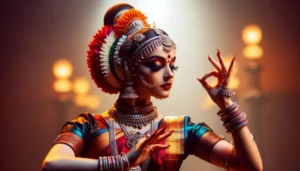
Emotionally, classical dance can be a great way to express feelings. Through abhinaya, or expressive acting, dancers can let out emotions they might have been holding in. This process can lead to greater emotional understanding and self-awareness. Many people find they become more caring and better at managing their relationships as a result.
Integrating Classical Dance into Modern Lifestyles
Busy professionals and students can still enjoy the benefits of dance by adding short practice sessions to their routine. Even just 30 minutes of dancing every day can lead to better energy and an improved mood. Many successful people keep dancing as part of their lifestyle, alongside their busy careers, using it to reduce stress and stay balanced.
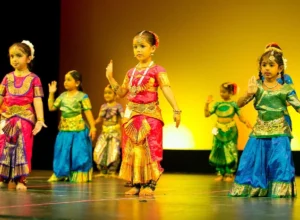
Parents are also starting to see the value of dance for their children. Starting with classical dance at a young age helps build discipline, focus, and confidence early on. Kids who dance often do better in school because they develop stronger concentration and time management skills.
Challenges and How to Overcome Them
Sometimes, it can feel like you’re not improving fast enough, and wanting to be perfect can add extra stress. But dancers who are successful see these times as chances to grow. They take pride in small wins and keep working hard without waiting for everything to come together at once.
Keeping injuries away is really important. Doing the right warm-up and cool-down routines, and learning from proper teachers, helps prevent problems. When injuries do happen, they teach patience and help you understand your body better skills that are useful in dance and in life.
Conclusion
Every dancer faces periods where progress seems stuck or things don’t go as planned. Sometimes, it can feel like you’re not improving fast enough, and wanting to be perfect can add extra stress. But dancers who are successful see these times as chances to grow. They take pride in small wins and keep working hard without waiting for everything to come together at once.
Keeping injuries away is really important. Doing the right warm-up and cool-down routines, and learning from proper teachers, helps prevent problems. When injuries do happen, they teach patience and help you understand your body better skills that are useful in dance and in life.
FAQs
Contemporary dance is an expressive, boundary-breaking style that emphasizes improvisation and personal emotion. While classical dance focuses on structured techniques and traditional forms, contemporary dance allows greater creative freedom. Many dancers benefit from training in both.
How to learn Indian classical dance starts with choosing a form that resonates with you and finding a qualified guru. Begin with basic steps and gradually progress to complex pieces. Regular practice combined with performance opportunities accelerates learning.
How performing arts build confidence involves repeated public exposure and emotional expression. Classical dance, in particular, teaches poise under pressure and helps practitioners overcome self-doubt through mastery and audience appreciation.
Key dance advantages include improved discipline, emotional intelligence, physical fitness, and mental resilience. Practitioners often experience better focus, self-awareness, and interpersonal skills as direct results of consistent training.
Most dancers notice initial confidence boosts within 3-6 months of regular practice. Deeper transformations, including stage presence and emotional maturity, typically emerge after 1-2 years of dedicated training and performances.