In a world that’s changing quickly, the nice mix of old traditions and new ideas keeps inspiring artists, performers, and people who watch them. This special place where old and new meet makes strong art that shows respect for the past and excitement for the future.
You can see this balance clearly in the world of dance. Whether it’s on traditional stages or in modern shows, blending the old with the new is changing how stories are shared through movement. This blog looks at how tradition and modernity work together to make art that touches people of all generations.
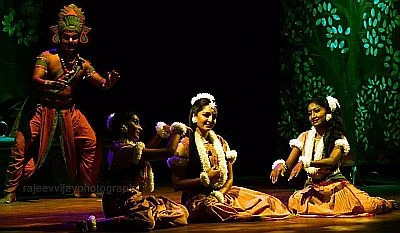
The Essence of Tradition and Modernity in Dance
The meeting of tradition and modernity is more than just combining old and new styles. It’s a meaningful conversation between the past and the present. Traditional dance forms keep cultural identity alive, while modern styles add new ideas and make dance more popular.
This balance is especially important in Indian dance today. Dancers are doing a great job connecting the two, making performances that feel classic yet up-to-date. Because of this, dance has become one of the best ways to show how tradition and modernity can work together.
Traditional Dance Forms Preserve Cultural Heritage
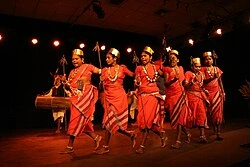
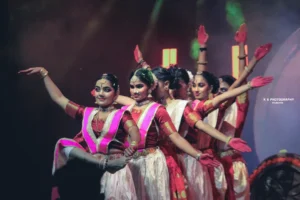
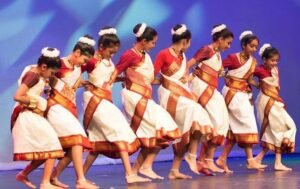
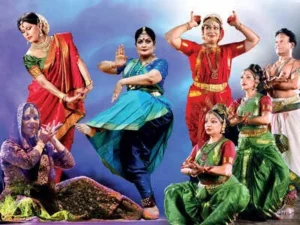
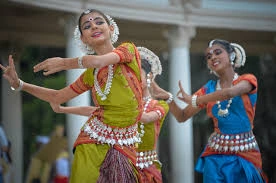
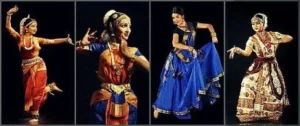
Traditional dance forms hold a lot of history, stories, and important values. In India, traditional dances like Bharatanatyam, Kathak, Odissi, and Kuchipudi have been around for centuries and show a deep connection to culture. These dances are linked to spiritual beliefs, storytelling, and special movements that have been taught from one generation to the next.
Some people worried that these old dance styles might disappear in today’s world.But thanks to teachers and special groups, they have stayed alive. Also, the beauty and strict training in traditional dances help create new dance styles. Keeping these dances alive helps future generations stay connected to their culture even as the world changes.
Contemporary Dance Styles Bring Fresh Energy
Contemporary dance styles have become more popular because they break traditional rules. These styles focus on freedom, expressing emotions, and exploring space, music, and how the body moves. They are different from strict classical dances, which have fixed forms. Contemporary dance allows for more flow and personal expression.
In recent years, these dance styles have attracted younger people who look for real and new ideas.The appeal comes from how these modern forms question usual ways of thinking while still being inspired by deeper traditions. Because of this, they open up space for new stories that show today’s issues like identity, gender, and social problems.
Fusion Dance: The Perfect Meeting Point of Tradition and Modernity
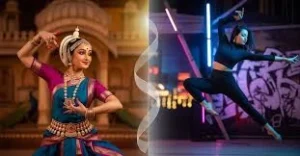
Fusion dance shows how tradition and modernity come together beautifully. This creative style mixes elements of Indian traditional dances with modern dance forms, creating amazing performances that attract people from all walks of life.
For example, many dancers now mix Kathak footwork with hip-hop beats or combine Odissi gestures with electronic music.These new styles don’t change the original dances. Instead, they bring them to new people and add fresh ideas. Plus, fusion dance helps share Indian culture around the world. It lets Indian dance grow while keeping its rich traditions alive, showing how old and new can work together smoothly.
Indian Traditional Dance in the Modern World
Indian traditional dance has managed to stay relevant on modern stages without losing its original spirit. Famous dancers and organizations are retelling old stories with new lights, clothes, and tech. This change has helped Indian dances reach people around the world.
Teaching through classes, working with others, and using online tools has made these dances easier to learn. Also, young dancers today are learning both traditional styles and modern ways, making them skilled performers who honor their culture and like to try new things. Because of this, these dance forms are becoming more popular in today’s busy world.
The Role of Cultural Heritage in Shaping Modern Expressions
Cultural heritage serves as both a foundation and a source of inspiration where tradition meets modernity. It adds emotional meaning and skilled craftsmanship that modern creations often rely on. When artists remain connected to their cultural roots, their current works feel more genuine and impactful.
This link stops fusion from being shallow. Instead, it leads to art that truly touches people emotionally. Also, keeping cultural heritage alive through dance teaching helps maintain the true spirit of traditional dances even as new styles appear.
Benefits of Embracing Tradition and Modernity Together
The mix of old traditions with new ideas brings many benefits. One is that it helps keep traditional arts alive and makes them meaningful today. Another is that it makes people more creative and helps them try new things. Also, it builds pride in culture while helping people understand each other better.
People who watch these performances enjoy both learning and having fun.Especially young dancers, they get more confidence to express themselves when they combine tradition with modern styles. This way of working also helps with mental health by linking people to their heritage and supporting their personal growth.
Challenges in Merging Traditional and Contemporary Dance
While it can be rewarding, combining traditional and modern elements in dance is not without its difficulties. It can be tough to keep the original purity of traditional dance styles while trying new things. Some people who strongly believe in the old ways worry that mixing styles might lower the standards of classical dance.
But thoughtful dancers handle these worries by first learning a lot about the original techniques before making changes. This helps create new dances that are respectful of the past and still fresh. These kinds of dances are now accepted by both traditional and modern audiences. Ongoing discussions between dance experts, performers, and critics help keep the quality and balance in check.
The Future of Dance at the Intersection of Tradition and Modernity
The future looks promising for dance forms that honor the meeting point of tradition and modernity. With technology like virtual reality and digital storytelling, new possibilities continue to emerge.
Indian traditional dance is poised to play a leading role on the global stage through innovative fusion dance presentations. As more institutions promote cross-training in contemporary dance styles and classical techniques, a new generation of versatile artists will rise. This evolution will further enrich cultural heritage and ensure its vibrant continuation.
Conclusion
The meeting point of tradition and modernity is not a battlefield, but a beautiful bridge a space where heritage and innovation enrich each other instead of erasing one another. By honoring timeless values, wisdom, and cultural roots while embracing progress, technology, and new possibilities, we create a more balanced, meaningful, and sustainable way of living.
Tradition gives us identity, stability, and depth. Modernity brings speed, convenience, and fresh opportunities. When these two forces converge thoughtfully, they produce the best version of both: culturally rich yet forward-thinking communities, innovative solutions grounded in ethics, and lives that feel both rooted and liberated.
Faqs
Fusion dance mixes parts of traditional dances with modern styles. It shows how old and new can come together by making new performances that honor the past while also being fresh and creative.
Indian traditional dance remains important because it holds strong cultural values and expresses deep emotions.
When mixed with modern ideas in a thoughtful way, it helps younger people connect with it while keeping its original beauty and meaning.
Yes, many places now teach both contemporary dance and traditional Indian dance together.
This helps beginners understand how old and new dance styles can work together from the beginning.
Cultural heritage gives dancers a base of stories, ideas, and skills that inspire their work.
Even when dance is experimental, it stays true to its roots and keeps its meaning.
You can learn both fusion dance and traditional Indian dance through professional training at Nanda Gokula.
Their programs celebrate the harmony between tradition and modernity.