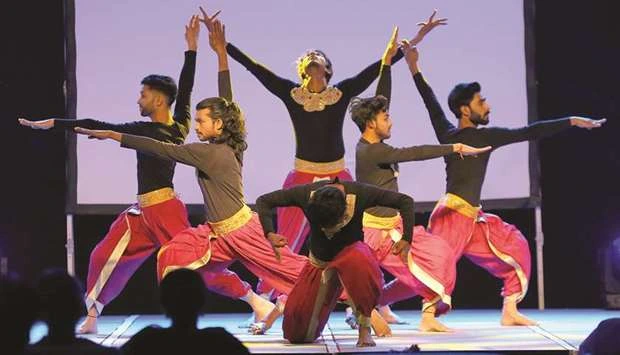
Contemporary dance has taken audiences around the world by storm with its smooth movements, deep emotions, and creative freedom. It’s different from strict classical styles because it lets dancers show real human feelings using new and unique methods. In today’s busy world, this type of dance keeps changing, mixing old traditions with new ideas. Whether you’re just starting out or hoping to become a performer, learning about contemporary dance can lead you to a lively world of personal expression. This blog explores what contemporary dance really means, the different styles it includes, and why it connects so much with people in today’s society.
What is Contemporary Dance in Simple Words
Contemporary dance is a kind of performance style that came into being in the middle of the 20th century. Unlike ballet or traditional folk dances, it doesn’t follow strict rules, letting dancers move in a more natural way using their body weight, gravity, and breath. The movements can be on the floor, made up on the spot, or tell a story through emotion. Dancers might roll across the stage, jump in surprising ways, or hold strong, intense poses. This style offers a mix of freedom and depth, turning personal emotions into something you can see. It’s also great for beginners because you don’t need any special training to start learning the basics.
Contemporary Meaning, Origins and Evolution
Contemporary dance began in the 1950s and 1960s with artists like Merce Cunningham and Pina Bausch who broke away from traditional styles. They didn’t focus on telling a story like in ballet or stick to strict techniques from early modern dance. Instead, they explored movement for its own sake and used chance in their work. As time went on, contemporary dance started to include ideas from jazz, hip-hop, yoga, and even martial arts. Now, it’s changing all over the world. Dancers and choreographers use new technology, like projections and interactive stage designs, to make each show different. This ongoing change keeps contemporary dance alive and relevant, showing that its meaning comes from its ability to change rather than from fixed rules.
Different Types of Contemporary Dance
There are many different kinds of modern dance, each with its own unique style but all based on the same idea of freedom. Lyrical contemporary dance focuses on smooth, elegant movements that reflect emotions and follow the rhythm of music. Release technique is about relaxing the body and using gravity to move naturally, making falls and getting back up feel easy. Contact improvisation is when dancers work together, sharing weight and movement in a way that feels spontaneous. Fusion styles blend modern dance with other forms like street dance or traditional cultural dances, creating exciting new combinations. These different styles let dancers pick what feels most like themselves. No matter which one they choose, all forms of contemporary dance encourage personal expression and challenge the body in a safe way.
Characteristics Of Contemporary dance Style
A real modern dance style shines because it focuses more on expression than on being perfect. Dancers use their whole body like tightening their torso, moving their spine in waves, and having strong, grounded steps to tell stories without using words. Improvising is very important, so dancers can react to the music or the crowd right then and there. They often move close to the floor, exploring different ways to move near the ground. The clothes they wear are usually simple and in neutral colors, so they don’t take away from the body’s shape. The lighting and sounds are carefully designed to set the mood and make the experience feel more real and deep. This all-around style makes contemporary dance feel very lively and personal, unlike more traditional dance forms.
Difference Between Contemporary and Modern Dance
Many people are curious about the differences between contemporary dance and modern dance. Modern dance started earlier, in the early 1900s, with dancers like Martha Graham and Isadora Duncan. It was a reaction against ballet, using more emotional and grounded movements, and focusing on personal expression. Contemporary dance came later, in the late 20th century, and built on modern dance but went even further. While modern dance usually sticks to certain styles and tells a story, contemporary dance is more open to new ideas and mixing different styles. Modern performances often feel organized and dramatic, while contemporary pieces seem more free-flowing and hard to pin down. Both types of dance started as a way to move away from traditional ballet, but contemporary dance has a more modern and worldly feel.
Why contemporary dance is popular today
Why contemporary dance is popular today can be summed up in one word: relevance. In a time filled with social media and growing awareness about mental health, people are looking for real and honest ways to express themselves. Contemporary dance gives exactly that true emotions without hiding behind any masks. It’s also easy to get into, which makes it appealing to beginners who want to stay fit while also being creative. Groups like Alvin Ailey and Batsheva Dance Company travel around the world, inspiring millions through videos and special classes. Social media helps spread short dance clips, making dancers into popular figures. Plus, schools and community centers now offer contemporary dance classes to help people reduce stress and build confidence. This blend of art, therapy, and entertainment is why it’s becoming more popular with people of all ages.
Importance of contemporary dance in modern culture
Contemporary dance plays a big role in today’s culture, and it’s not just about performances on stage. It shows the complicated parts of society, like identity, politics, and environmental issues, through the way dancers move. Dance companies use movement to talk about important social topics, which can start discussions that words sometimes can’t. In schools, it helps kids grow by building empathy, discipline, and creativity. Companies also use contemporary dance in their wellness programs to help teams work better together and reduce stress. On a cultural level, it connects different communities; international dance festivals mix various styles, helping people understand each other better around the world. As mental health becomes more important, contemporary dance is also used as a form of therapy, allowing people to express and work through emotions in a physical way. Its presence in movies, ads, and music videos shows how deeply it’s part of everyday life.
Traditional vs contemporary dance styles
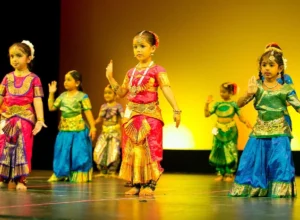
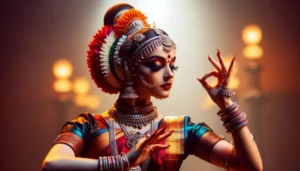
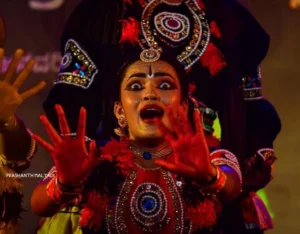
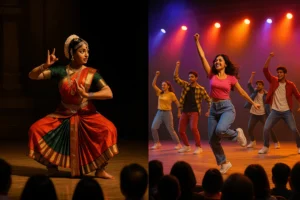
Contemporary dance styles offer an interesting contrast that adds depth to India’s cultural heritage. Classical dances like Bharatanatyam and Kathak have strict rules, including specific hand gestures, rhythmic patterns, and stories based on ancient myths. These forms require long years of disciplined training and are performed with traditional costumes and music. On the other hand, contemporary Indian dance mixes these traditional elements with modern approaches. Dancers like Astad Deboo helped create this blend by combining classical movements with floor-based actions and spontaneous expression. Now, in cities like Bengaluru and Mumbai, artists use both traditional gestures and modern techniques to explore themes such as city life, gender issues, and environmental concerns. This change keeps Indian dance relevant and helps younger people connect with its evolving stories.
Creative Dance and Its Connection to contemporary dance
Creative dance serves as a starting point for many who eventually go on to become professionals. It allows both children and adults to move around without feeling judged, focusing more on imagination than on perfect technique. Teachers help participants express themselves through movement by responding to music or a theme in a natural, free-flowing way. This fun and open method is closely linked to contemporary dance, where being able to improvise is very important. Many professional dance groups start their rehearsals with creative dance activities to get their bodies and minds ready. This kind of dance helps build confidence and a better understanding of the body, making it a great way for anyone interested in contemporary dance to begin their journey.
Conclusion
Contemporary dance is about much more than just beautiful movements you see on stage. Starting from simple ideas, it has grown into a powerful form of cultural expression that continues to inspire, heal, and bring people together around the world. Whether you’re just starting to learn what contemporary dance is or you’re looking to explore more advanced styles, the experience offers personal growth and a lot of enjoyment. As spectators look for more real and meaningful art, this flexible form of dance will keep changing and evolving. So why not give contemporary dance a try today your body and mind will feel the difference.
Contemporary dance in simple words is a free-style dance that uses natural body movements, floor work, and improvisation to express feelings without strict rules.
Contemporary dance is popular today because it offers emotional release, fitness benefits, and social media-friendly visuals that connect with modern audiences seeking authenticity.
The importance of contemporary dance in modern culture lies in its ability to address social issues, build empathy, and serve as therapy while bridging global communities through movement.
The difference between contemporary and modern dance is that modern dance uses structured techniques from the early 1900s, while contemporary dance focuses on freer experimentation and global fusions from the mid-20th century onward.
Traditional vs. Contemporary Indian Dance Styles compare through classical forms that follow ancient rules and stories versus contemporary styles that mix those roots with improvisation and modern themes for fresh relevance.