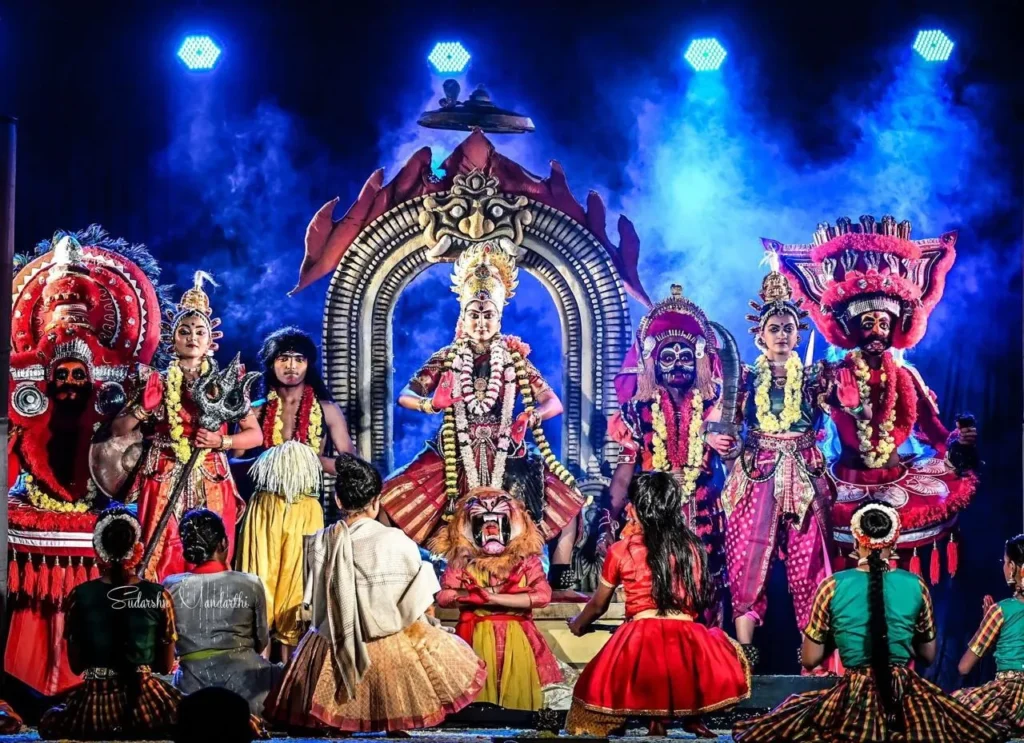
India is a country where ancient stories still live on in its busy streets and lively festivals. It shows the lasting beauty of the land. The cultural heritage of India is not just about old items or rituals; it’s a living story made over thousands of years of human creativity. From the detailed pictures of miniature paintings to the smooth movements of classical dances, this heritage shows the heart of a nation that has greatly influenced the world. But what exactly is India’s cultural heritage? It includes the deep role of art and culture in the country, where every design, movement, and song tells a story of strength and imagination.
In this blog, we look into the traditional art, dance, and culture of India, showing how these things come together to make a rich and colorful picture.
As we explore its many sides, we’ll discover how Indian art, dance, and traditions are connected, and how Indian culture keeps these traditional arts alive. In a world that’s changing quickly, learning about this heritage reminds us of where we come from, helping us truly value the different cultures that make India so special. Get ready to be captivated by stories that have been told for ages, inviting you to experience the never-ending rhythm of India.
What is the Cultural Heritage of India?
Indian cultural heritage is often seen as a vast ocean. The waves of history continuously shape the present day. UNESCO says that cultural heritage includes both physical and non-physical things that are passed on from earlier generations. This heritage is visible in large monuments such as the Taj Mahal and in stories like the Mahabharata.
It is also seen in lively festivals like Holi. However, Indian heritage is not only about famous symbols. It is also present in everyday life.
You can feel it in the smell of incense in temples. You can hear it in the sound of the azan mixed with temple bells. It also exists in the many languages spoken in different parts of India. These small moments show the depth of Indian cultural traditions. Over time, Indian cultural heritage has been shaped by many influences.
Historical invasions and migrations brought new ideas and art styles. Cultural exchanges also played a big role. Because of this, India developed a rich mix of traditions, including Persian art and the architectural beauty of the Dravidian regions.
This heritage is not only kept in monuments and museums. It lives on through skilled artisans and craftsmen. Many of them teach their knowledge to the next generation. Their work keeps traditional art forms alive even today. Folk arts are a big part of this heritage. They add color and diversity to the cultural landscape. These art forms show social values, community stories, and spiritual beliefs. Through music, dance, and crafts, artists share traditions that have existed for centuries.
One of the greatest strengths of Indian heritage is its ability to change while keeping its core. Traditions continue to evolve with time, yet they still hold their original meaning. This flexibility helps ancient practices stay relevant in today’s world. For example, classical music that was once played for royal courts is now heard in popular film music.
Many Bollywood songs include elements of traditional ragas and rhythms. This connection beautifully links the past with the present. In this way, Indian cultural heritage acts as a bridge between generations.
It connects ancient traditions with modern creativity. More importantly, it continues to shape cultural identity not only in India but around the world.
Indian Cultural Diversity: A Canvas of Folk Arts
India’s wide-ranging geography, from deserts to river deltas, reflects its rich cultural diversity, with each region adding its own unique colors to the national picture. This variety is clearly shown through India’s folk arts, which act like mirrors to the local stories, beliefs, and ways of life. For example, the colorful Madhubani paintings from Bihar depict gods and nature with bold lines and natural colors, while the Warli art of Maharashtra uses simple shapes to tell tribal stories. These forms of art are deeply connected to the land they come from.
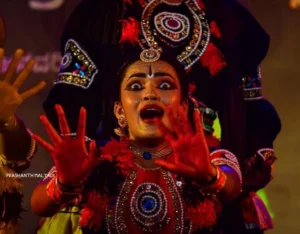
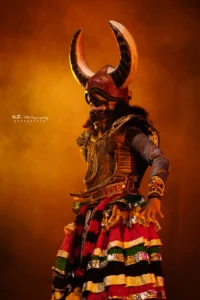
In Odisha, the Pattachitra scrolls tell epic tales like the Ramayana with great detail, painted on cloth using plant-based dyes. Often used in storytelling events, these artworks show how art goes beyond decoration to bring people together. Similarly, Gond art from central India features dotted patterns inspired by forest legends, highlighting the close relationship between communities and their surroundings. These art forms help keep local languages alive and promote harmony among different cultures, as seen during festivals like Onam in Kerala, where Kathakali masks combine folk traditions with powerful performances.
This Indian cultural heritage also shines through crafts like Kashmiri papier-mache, where flower designs are added to boxes with a glossy finish, capturing the Valley’s beauty. These arts play a key role in giving a voice to underrepresented groups and supporting local economies. As we admire these forms, we are led to think about how they connect with the rhythm and traditions that move both the body and the spirit.
Folk Arts of India: Vibrant Expressions of Identity
In the wider world of art, India’s folk arts shine because of their simple beauty and strong energy. They are not fancy paintings in museums but lively works made in village markets and home studios. For example, the terracotta plaques from Bengal are made by hand and show everyday life in the countryside, while the Rogan art from Gujarat uses oil paints to make colorful flower designs on cloth. Every piece carries a personal story, creating a conversation between the artist and the person looking at it.
These arts also use nature-friendly methods. Bamboo weaves from Assam or carvings made from coconut shells in the Andamans show clever, eco-friendly ideas that have been shared through generations. In today’s world filled with digital images, these real crafts give a sense of touch and remind us of the happiness found in handmade things that aren’t perfect. Through these traditional arts, dances, and cultures of India come together, with patterns on pots matching the movements of dances, creating a strong and lasting connection.
Importance of Art and Culture in India
Art and culture in India are more than just beautiful creations; they play a key role in bringing people together and helping individuals grow. Throughout history, art has been a way to record changes in society, like the detailed Mughal paintings that showed life in royal courts or the Company School art from the colonial period that mixed European styles with Indian stories. Now, places like the National Handicrafts and Handlooms Museum in Delhi are helping to keep these traditions alive by teaching younger generations about their significance.
Efforts to preserve these traditions are also supported by government programs that provide financial help to groups of artisans. This support helps ensure that skills such as making blue pottery in Jaipur continue to be passed down. These cultural traditions form a strong foundation, which then supports lively performances that celebrate and share the country’s rich heritage.
Traditional Dance Forms of India
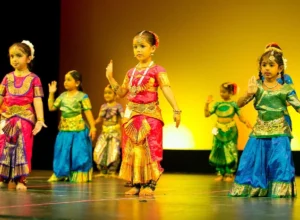
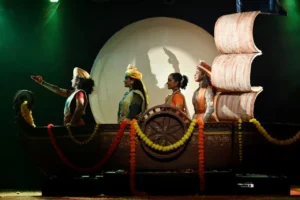
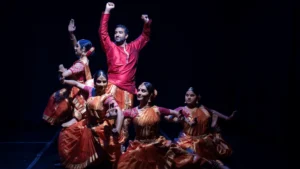
The traditional dances of India are like poems that share deep feelings without using words. Every movement tells a story. These dances come from old temple rituals and royal courts.
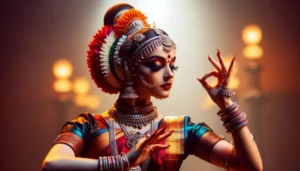
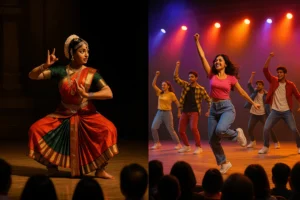
For example, Bharatanatyam from Tamil Nadu is known for its exact movements and hand gestures called mudras.
These gestures help dancers tell stories from the ancient text Natya Shastra, which explains the rules of performing arts.
Indian dance forms keep changing over time. Today, modern topics like environmental awareness can be seen in Kuchipudi performances. This shows how traditional art adapts to new ideas. India’s diverse culture is clearly shown in its dance traditions.
In the Northeast, Bihu from Assam is lively and full of energy. It celebrates the happiness of the harvest season. On the other hand, Mohiniyattam from Kerala is gentle and graceful. Its slow movements create a calm and elegant performance. Festivals also show the richness of Indian dance culture.
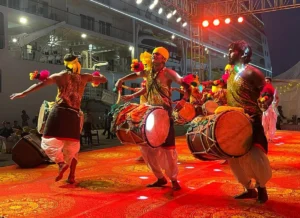
During Diwali, people in Gujarat gather in circles to perform Garba. The dance is done to the strong beats of traditional drums. In Tamil Nadu, the harvest festival Pongal includes Kolattam, where dancers move sticks in a circle rhythmically. These dances are more than just shows.
They connect people to their traditions and cultural identity. The colorful costumes often have designs that come from traditional folk art, making each story more vivid and memorable.
Connection Between Indian Art, Dance, and Tradition
The link between Indian art, dance, and tradition is like the threads of a sari, each one connecting to create a beautiful, unified whole.
In Bharatanatyam, the way dancers use their faces to express emotion, called abhinaya, comes from the same artistic traditions. These traditions are seen in ancient temple sculptures, like the Chola bronzes of gods and goddesses.
This connection is also visible in the carvings at Khajuraho temples, where dancers are frozen in moments that seem ready to move.
Systems like Gurukul, where students live with their teachers and learn through direct guidance, helps to keep this tradition alive. Even today, modern dancers often incorporate elements from Tanjore paintings. Their work, showing how traditional culture keeps changing while still holding onto its core values.
How Indian cultural heritage Preserves Traditional Arts
Indian cultural heritage keeps its traditional arts alive shows the strength of people working together, from stories passed down in families to the efforts of organizations. Groups like the Sangeet Natak Akademi record unique forms of art, and digital archives on websites such as IGNCA help more people access these traditions. Local communities also play a big part like the Kalbelia nomads in Rajasthan, who continue their snake-charming dances. These efforts show how deeply rooted these arts are in everyday life. Alongside this, policies that offer tax breaks for cultural tourism support these traditions. As a result, India’s folk arts and dances remain strong, contributing to global conversations about cultural heritage.
Conclusion
As our journey through the rich cultural heritage of India comes to an end, we admire its depth and diversity. The country’s traditions reveal many layers of history, creativity, and cultural expression.
From the lively expressions of Indian folk art to the graceful movements of traditional dances, every form tells a unique story. These traditions show how Indian culture acts as a powerful symbol of unity in a diverse society. The art, dance, and customs of India do more than preserve history.
They inspire creativity and new ideas for future generations. Traditions are not static. They grow and evolve with the people who practice and cherish them. In a fast-moving world, this heritage reminds us to slow down and reflect. It encourages us to listen to the wisdom of the past. It also helps us move forward while respecting timeless values. You can experience this culture in many ways.
Visit places where artisans create beautiful handmade crafts. Watch traditional performances that celebrate music and dance. You can even explore cultural programs online. The diversity of Indian culture has the power to inspire curiosity and appreciation. Which part of this heritage speaks to you the most? Take time to explore its wonders and experience its unique charm for yourself.
FAQs
The cultural heritage of India refers to the collective legacy of its arts, dances, traditions, and philosophies, spanning over 5,000 years and reflecting influences from various civilizations.
The importance of Indian culture lies in its role in promoting tolerance, creativity, and sustainability, offering lessons in harmony that resonate in global challenges like climate change and social equity.
Traditional dance forms of India include Bharatanatyam, Kathak, Odissi, and folk styles like Bhangra and Garba, each tied to regional stories and rituals.
The connection between Indian art, dance, and tradition is seen in shared motifs, such as temple carvings inspiring dance poses, creating a unified cultural expression.
Indian culture preserves traditional arts through education, festivals, government policies, and digital platforms, ensuring these treasures are accessible to future generations.