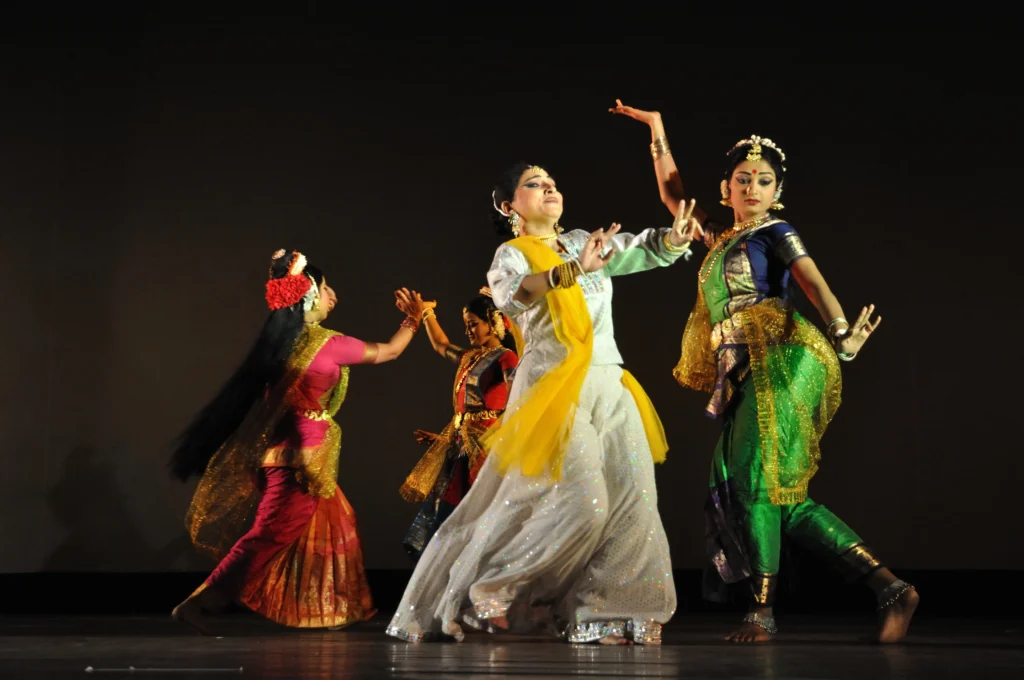
Indian theatre has always been a living record of India’s rich cultural heritage. It blends stories, music, dance, and rituals into performances that go beyond time. Whether it’s ancient Sanskrit epics or lively village festivals, Indian theatre keeps traditions alive in a world that changes quickly. This art form doesn’t just entertain, it plays a key role in passing on values, languages, and customs from one generation to the next. In this post, we look at how Indian theatre preserves Indian culture, its deep historical background, and why it remains important today.
History of Indian Theatre
Indian theatre has a history that goes back more than 2,000 years. It began with the Natya Shastra, a detailed guide written by Bharata Muni around 200 BCE. This book covers everything related to theatre, like how stages should look, what costumes to wear, and how to express emotions through movement and speech. These rules have had a lasting effect on how theatre is made even today. In the early days, theatre wasn’t just for fun it was part of religious ceremonies held in temples to worship gods and teach people about moral values like dharma and karma.
During the Gupta Empire, theatre reached a high point, especially with writers like Kalidasa.
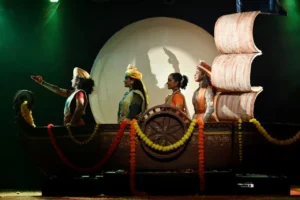
His plays, such as Abhijnanashakuntalam, combined poetry, music, and drama in a way that was both beautiful and meaningful. These plays were performed in royal courts and public places, helping to spread complex ideas to people from all walks of life. Even though wars and foreign rule caused many traditions to change or fade, Indian theatre never disappeared completely. It kept living on through stories passed down by word of mouth and through different styles that developed in various parts of the country. Today, both researchers and performers still look back to these old ideas for inspiration. This shows that Indian theatre has always been there, changing over time but never losing its main spirit.
Classical Indian Drama
Classical Indian drama forms the base of India’s dramatic tradition. It gives a deep understanding of human feelings and social values. Indian classical theatre is greatly influenced by the Natya Shastra. It focuses on “rasa,” which is the emotional core that helps performers connect with the audience.
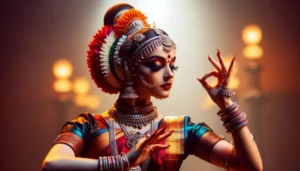
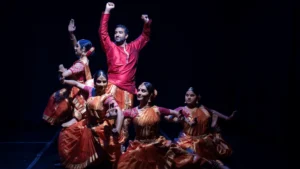
These plays had set structures, but they still allowed for creativity and spontaneity. This made every performance special and meaningful. Playwrights like Bhasa, Sudraka, and Vishakhadatta wrote about love, duty, and political issues. Many of their stories were inspired by epic tales like the Ramayana and the Mahabharata. Performances used bright costumes, expressive makeup, and symbolic movements.
These elements helped show deeper cultural meanings. Even now, classical Indian theatre is performed during festivals and taught in schools. It helps younger generations understand their cultural roots. By keeping these stories alive, Indian theatre continues to uphold the moral and philosophical values of society.
Indian Folk Theatre: Vibrant Regional Voices That Keep Traditions Alive
Indian folk theatre takes culture beyond formal theatres and brings it directly to villages and towns. It helps share traditions with everyone in the community. Unlike classical theatre, which follows strict rules, folk theatre is more spontaneous and flexible. It uses local language and actively involves the audience.
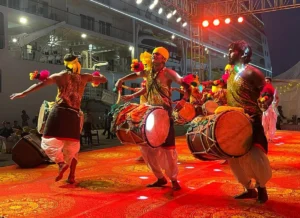
These performances often take place during harvest festivals, weddings, and religious celebrations. Ordinary spaces are transformed into lively open-air stages. Forms like Nautanki, Tamasha, and Jatra combine humor, music, and dance. They highlight social issues while preserving traditional values.
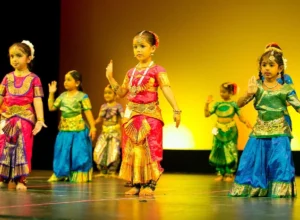
These performances include stories, legends, and historical tales that children grow up hearing in their communities. Since they are passed down through families and village groups, they maintain a strong connection to the past. In a time when urban migration is weakening traditions, folk theatre helps people remember their roots. It also builds pride in local culture.
Traditional Indian Theatre Forms and Their Significance
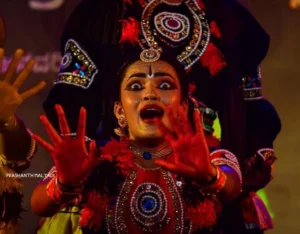
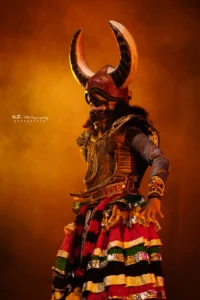
Traditional Indian theatre forms are special because they mix fun with learning. Each region has created its own style that shows its land, language, and beliefs. For example, Kathakali from Kerala mixes dance, martial arts, and bright face paint to tell stories from Hindu texts. In Karnataka, Yakshagana uses vibrant costumes and lively music to share stories about gods and demons.
These theatre forms are not the same today as they were before. They change over time but still keep important parts like rituals at the start, moral messages at the end, and community participation. Their value goes beyond just the shows. Making costumes, playing musical instruments, and creating makeup are all parts of this culture, and they are passed down from one expert to another.
When people watch these traditional performances, they are not just seeing a show they are seeing history come to life. They learn about respecting older people, living in harmony with nature, and how good can win over evil. This deep, engaging experience helps keep these cultural traditions alive and relevant, instead of letting them become forgotten relics in museums.
How Theatre Preserves Indian Culture
The way theatre keeps Indian culture alive becomes clear when we look at how it uses many different methods. Performances include language, music, and gestures that could otherwise be forgotten. Kids who watch traditional plays learn sayings, songs, and proper behaviour without even knowing they’re being taught. Also, Indian theatre brings people from different castes and communities together, helping to build a sense of unity.
In today’s India, theatre groups tackle modern issues like climate change, gender equality, and social harmony, but they do so by using traditional values.
This mix makes old wisdom feel relevant today. Plus, both the government and private institutions are now recording performances and training new artists, making sure that the role of performing arts in preserving culture continues in the digital era. Through live shows, recordings, and workshops, Indian theatre acts as a living link between the past and the future.
The Importance of Folk Theatre in India
In a country as diverse as India, folk theatre holds a very important place. These traditional forms give a voice to people who are often ignored by mainstream media. They honor local heroes, keep endangered languages alive, and support traditional crafts like making masks and puppets. During festivals such as Diwali or Navratri, whole villages become stages for performances, which helps bring people together and strengthen community ties.
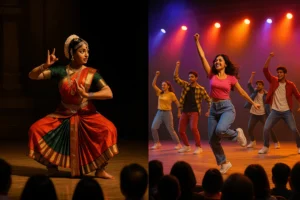
Folk theatre also has a healing effect. When people take part, it helps mend social gaps and improve mental health. Today, young artists are mixing folk traditions with modern themes, creating new performances that appeal to people around the world. At the same time, they stay connected to their roots. This shows that folk theatre is not something old and fading away, it’s still alive and plays a key role in keeping Indian culture strong and vibrant.
Conclusion
Indian theatre plays a crucial role in keeping our culture alive because it touches both our emotions and our thoughts. Whether it’s the old knowledge from the Natya Shastra or the lively energy of folk shows, every performance reminds us of who we are as a nation. As India moves quickly towards cities and new technology, it’s more important than ever to support Indian theatre by going to shows, learning the craft, and offering support. This helps future generations carry forward not just stories, but the deep spirit of our culture. The stage is ready; it’s up to all of us to make sure this valuable part of our heritage stays bright and alive.
FAQs
Indian theatre preserves Indian culture by embedding myths, values, and customs into live performances that audiences experience directly, ensuring traditions are felt rather than merely read about in books.
The role of theatre in preserving cultural heritage involves transmitting languages, music, dance steps, and moral lessons across generations through community-based performances that adapt while staying rooted in tradition.
The importance of folk theatre in India lies in its ability to unite communities, sustain regional dialects, and address modern issues within traditional frameworks, keeping local identities alive amid globalisation.
Traditional Indian theatre forms and their significance help younger generations by teaching history, ethics, and artistic skills through engaging storytelling that feels relevant and enjoyable rather than academic.
How performing arts preserve traditions in a digital world is through live shows, online recordings, and workshops that blend ancient techniques with new technology, making heritage accessible while maintaining its authentic spirit.