Theatre in India has been a beloved part of people’s lives for more than 2,000 years, sharing stories that show everyday life, myths, and how society works. Whether it’s old religious ceremonies or lively performances today, the history of Indian theatre shows a form of art that keeps changing but still holds on to its traditional roots. This tradition mixes dance, music, acting, and storytelling, making it one of the oldest forms of theatre in the world. Right now, Indian theatre is alive in both small village gatherings and big city theaters, linking the past with the present in amazing ways.
Looking at how Indian theatre has developed over time, it’s clear how much it is connected to the country’s rich and varied culture. Old writings helped start it off, while different regional styles gave it a unique feel. Even with new ideas coming in, the heart of Indian theatre stays the same. This journey does more than just amuse it also teaches and inspires, which is why Indian theatre continues to touch people across generations.
Ancient Roots of the History of Indian Theatre
The history of Indian theatre starts with Vedic rituals and early performances. Experts think that dramatic elements were around as early as the first millennium BCE, with plays coming from religious events and storytelling. These early shows used speech, music, and movement to tell stories from the Ramayana and Mahabharata.
A big step happened with the Natyashastra, written by Bharata Muni between 200 BCE and 200 CE. This book set the rules for theatre, covering acting, stage design, and the concept of rasa what makes an audience feel emotionally connected. It made theatre a sacred art, something given to people by the gods. During the classical period, especially under the Gupta Empire, Sanskrit drama grew a lot. Famous writers like Kalidasa, Bhasa, and Shudraka created some of the best plays.
Kalidasa’s plays, like Abhijnanashakuntalam, were known for their beautiful language and deep emotions. These performances took place in royal courts and temples, with actors using special movements and fancy clothes. But as Sanskrit lost its place in everyday use and outside influences came in, interest in classical theatre started to fade. From the 10th century, Islamic rule in many areas made public theatre less common, causing a break in the classical traditions.
Even though this period ended, the early influences stayed strong. The mixing of dance and drama created a style that is still seen in modern performances today.
Types of Indian Classical Dance and Their Theatrical Connections
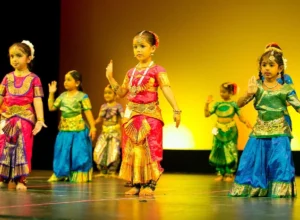
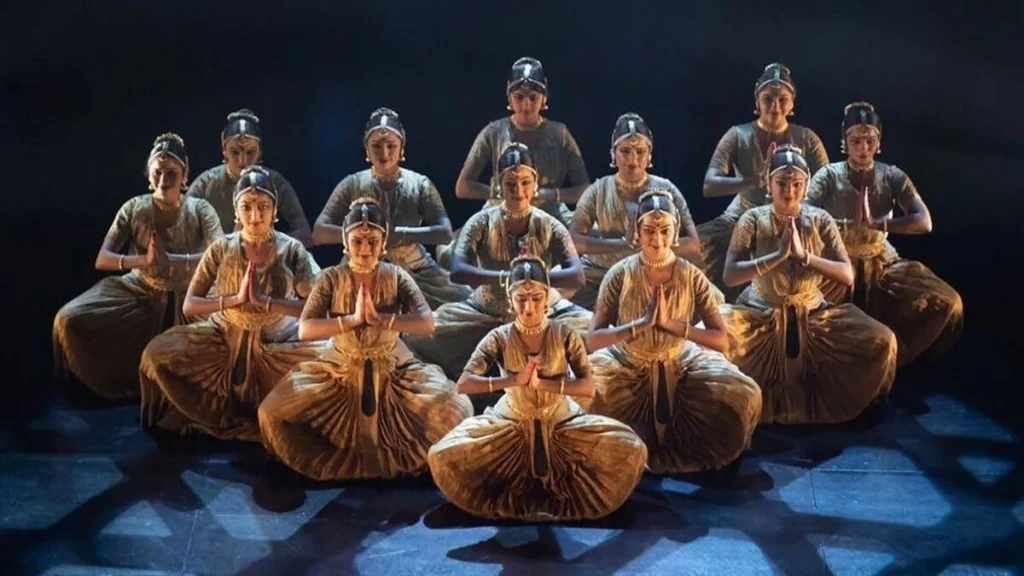
Indian classical dances are important in the history of Indian theatre because many of them started as dance-dramas. These eight styles, officially recognized by the Sangeet Natak Akademi, are Bharatanatyam, Kathak, Kuchipudi, Odissi, Kathakali, Sattriya, Manipuri, and Mohiniyattam. All of them are based on the Natyashastra, an ancient text on performing arts, and use movement to tell stories in a very expressive way.
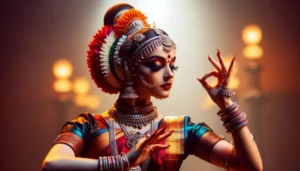
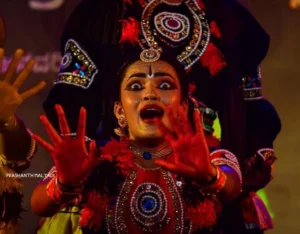
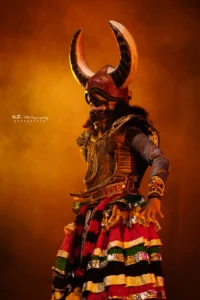
For example, Kathakali from Kerala is a full dance-drama. Dancers use detailed facial expressions, hand movements called mudras, and bright makeup to act out stories from Hindu mythology. Kuchipudi from Andhra Pradesh is also a dance-drama, known for its lively and dramatic stories. It is often performed by both men and women.
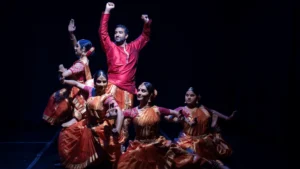
These dances were not just for fun. They were used in temples for worship and helped pass down cultural stories through generations. Bharatanatyam and Odissi are known for their graceful and emotional style, often telling stories from major Hindu epics. In Indian theatre, these classical dances helped connect religious rituals with performances. They allowed actors to express deep emotions without using words, using body movement and rhythm instead.
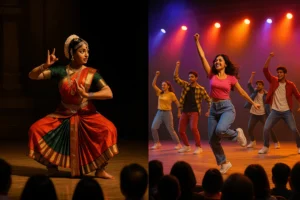
As time passed, these classical forms influenced folk and modern theatre by adding more physical expression and artistic beauty. Even now, many theatre productions use classical dance techniques to make their stories more powerful and meaningful.
Folk Theatre in India: Vibrant Regional Traditions
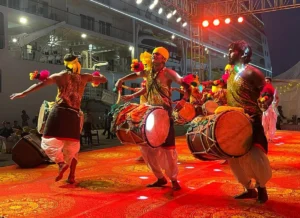
As classical Sanskrit drama declined, folk theatre in India became a strong alternative during the medieval times, from the 15th to 19th centuries. These forms of theatre developed in local languages, making performances easier for regular people to enjoy. Unlike the formal Sanskrit plays performed in royal courts, folk theatre focused on spontaneity, music, dance, and involving the whole community. Examples of these forms include Jatra from Bengal, which started with religious processions linked to the Bhakti movement and later developed into full musical plays that showed stories of Krishna or talked about social problems.
In the north, Nautanki and Swang mixed singing with lively acting, often taking place in open spaces. Ramlila and Raslila performances retell stories from the Ramayana and the life of Krishna, drawing large crowds during festivals. In western India, Bhavai from Gujarat uses very few props but tells sharp stories through jokes and satire, commenting on society. In the south, Yakshagana from Karnataka is known for its colorful costumes, masks, and long performances that act out big battles from ancient epics. Tamasha in Maharashtra mixes folk songs with short dramas, while Therukoothu in Tamil Nadu includes street-style elements along with religious themes.
Folk theatre in India was popular because it connected with the local culture, language, and everyday life. It helped keep oral traditions alive and allowed performers to change stories to fit what was happening around them. This time marked a shift in Indian theatre, bringing it from the hands of the rich and powerful to the streets of villages and marketplaces.
Modern Transformations in Theatre in India
The coming of British rule in the 18th and 19th centuries brought Western ideas, which greatly influenced how theatre developed in India. New types of stages, like prosceniums and indoor theatres, became common, and plays with scripts were favored, which was different from the open-air, flexible performances of traditional folk theatre. In cities like Mumbai and Kolkata, Parsi theatre groups mixed Indian stories with the dramatic styles of Victorian plays, creating a unique blend that attracted city audiences.
Playwrights started translating and adapting works like Shakespeare and other Western plays, while also writing their own plays in different regional languages. In the late 1800s, theatre groups became more professional, and plays in Bengali and Marathi gained popularity. Social reformers used the stage to talk about important issues such as caste discrimination, gender inequality, and colonial rule.
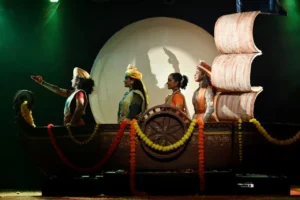
After India gained independence in 1947, theatre became more lively again. The Indian People’s Theatre Association (IPTA) focused on social and political themes. Directors like Habib Tanvir and Vijay Tendulkar mixed folk traditions with modern storytelling. Street theatre and experimental forms were used to highlight real-life political and social problems, making theatre a powerful way to spread awareness.
Today, Indian theatre mixes old traditions with new ideas. In cities, plays often use multimedia effects, while regional groups bring back traditional folk performances with modern twists. Global connections have helped theatre grow, but the emphasis on stories that reflect Indian life and experiences stays strong.
The Ongoing Evolution and Cultural Significance
Throughout its long history, Indian theatre has shown great strength and ability to survive. It has changed with different challenges like invasions, colonial rule, and modern times, but still kept its core values alive. From the ancient ideas like rasa theory to the modern plays that talk about social issues, every period has added something special.
Today, Indian theatre includes a lot of different kinds of performances, from old traditional shows and folk festivals to new, experimental works and digital plays. This variety shows how India’s society is made up of many cultures, languages, and beliefs coming together on stage.
Also, theatre keeps playing important roles in teaching and bringing people together. It helps people understand each other better, remembers important traditions, and talks about important problems. As new artists come up, the future of Indian theatre looks very promising with many exciting changes to come.
Conclusion
The history of Indian theatre shows how powerful performance arts have been in shaping culture and how people think. It started with ancient Sanskrit plays based on the Natyashastra, then moved to lively folk theatre and now to modern stage performances. This journey highlights creativity, the ability to change with time, and the deep connections between people and stories. Looking ahead, theatre in India will continue to grow by mixing traditional knowledge with new ideas. Whether through plays that use classical Indian dances or fresh takes on folk stories, it stays a lively reflection of society. Learning about this rich history helps us understand the past better and encourages new artistic creations. For more insights into Indian arts and cultural heritage, visit https://nandagokula.com/.
The history of Indian theatre spans over 2,000 years, beginning with Vedic rituals and formalized in Bharata Muni’s Natyashastra. It evolved through classical Sanskrit drama, medieval folk forms, and modern Western-influenced productions, reflecting India’s cultural diversity.
Types of Indian classical dance, such as Kathakali and Kuchipudi, originated as dance-dramas rooted in the Natyashastra. They integrate storytelling, music, and expressive movements, forming an essential part of traditional theatre in India.
Folk theatre in India features regional languages, improvisation, music, dance, and community involvement. Forms like Jatra, Nautanki, and Yakshagana often draw from mythology and social themes, performed in open spaces during festivals.
Colonial rule introduced proscenium stages and Western scripts, leading to Parsi theatre and urban professional companies. This blended with indigenous traditions, creating hybrid forms that addressed social issues in modern Indian theatre.
The history of Indian theatre highlights cultural resilience and diversity. It continues to inspire contemporary performances, promote social awareness, and preserve traditions while adapting to new audiences and technologies.