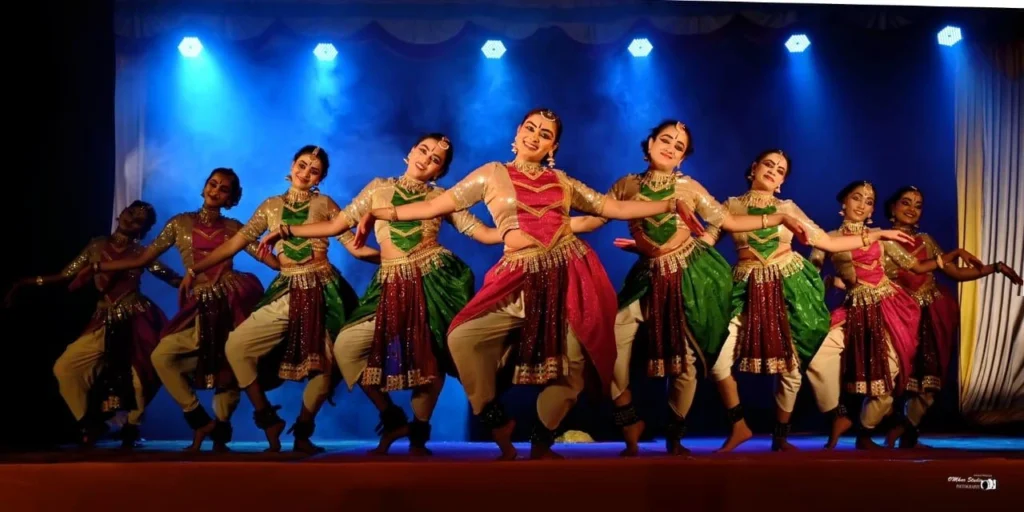
In today’s fast-paced world, where screens often take up our attention and busy schedules leave little room for creativity, dance education stands out as a strong solution. It helps individuals, especially children and adults, reconnect with rhythm, expression, and heritage. At Nandagokula Theatre School, part of Arehole Prathishtana, dance is more than just movement; it is a complete journey that supports the mind, body, and spirit. Led by the skilled dancer and theatre artist Kumari Shwetha Arehole, the school offers structured programs in classical, folk, contemporary, and semi-classical dance forms, combining traditional knowledge with modern relevance.
Established as part of Nandagokula’s performing arts division, which was founded in 2014, the theatre school provides accessible, high-quality training that develops important life skills. Whether it’s for young learners discovering their passion or adults looking for balance and cultural depth, enrolling here changes lives. In this post, we look at why dance education truly matters and point out the unique benefits offered by Nandagokula Theatre School.
Discipline Is Cultivated Through Rigorous Dance Training
Dance requires consistency, focus, and perseverance. These qualities extend well beyond the studio. At Nandagokula Theatre School, students follow a structured curriculum that emphasizes regular practice, precise technique, and respect for the art form.
Classical Dance Builds Unwavering Focus and Self-Control
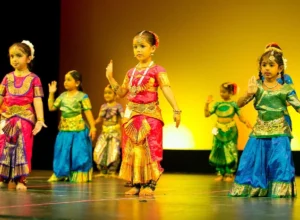
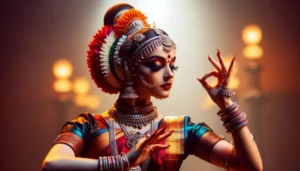
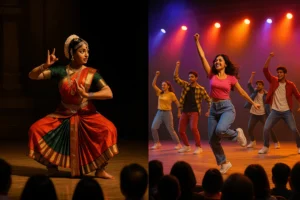
Classical forms like Bharatanatyam, taught authentically, require mastering intricate footwork, hand gestures (mudras), and facial expressions (abhinaya). This precision encourages deep concentration. As a result, children learn to focus their energy productively, while adults rediscover patience in a time of instant gratification. Research consistently shows that this kind of disciplined training improves executive functions in the brain, boosting attention spans and impulse control.
Folk and Semi-Classical Styles Encourage Teamwork and Routine
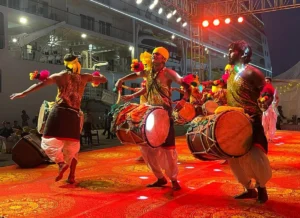
Folk dances from Karnataka’s rich traditions encourage group harmony. They teach collaboration and dependability. Semi-classical forms bring emotional depth, needing consistent practice over weeks or months. Students often attend weekly classes on Sundays in places like Arehole, Navunda, and nearby areas. They learn routines that influence their academics, work, and daily life.
Confidence Grows Naturally with Every Performance
One of the most rewarding parts of dance education is the increase in self-esteem it offers. Performing on stage, even in a small recital, builds courage. This courage influences everyday interactions.
Stage Exposure at Nandagokula Theatre School Enhances Self-Belief
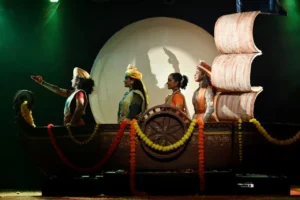
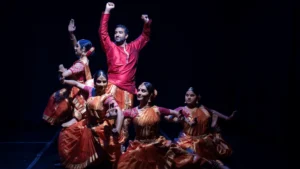
Performances organized by the school, including local events and larger festivals, give learners safe chances to shine. As applause follows a well-executed piece, shyness slowly fades away. Adults also report renewed confidence, whether it’s overcoming fears of public speaking or embracing personal expression after years of routine jobs.
Expressive Dance Forms Empower Personal Voice
Contemporary and semi-classical dances encourage improvisation and storytelling. They help participants express emotions without words. This way to share feelings is especially important for children going through adolescence and for adults managing stress. It leads to increased self-confidence and genuine expression.
Cultural Awareness Deepens Through Authentic Learning
In a more connected world, keeping cultural roots is important. Dance education at Nandagokula Theatre School immerses students in India’s rich heritage. This helps them develop pride and understanding.
Classical and Folk Dance Connect Learners to Indian Traditions
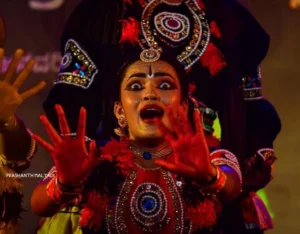
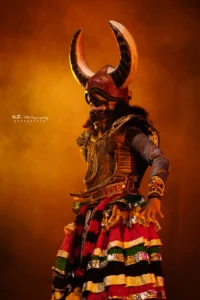
By studying forms related to mythology, festivals, and local histories, students learn about values such as devotion, community, and harmony with nature. Yakshagana classes, held on Saturdays, introduce epic stories and costumes. This connects ancient tales with modern understanding.
Contemporary Fusion Promotes Relevance and Inclusivity
The school’s mix of Indian contemporary styles helps traditions grow while keeping their core. Choreography includes themes of social change, the environment, and equality. This approach makes cultural awareness engaging and relevant for today’s youth.
Additional Lifelong Benefits Extend Beyond the Studio
Dance education at Nandagokula Theatre School fosters growth that supports physical health, mental well-being, and social connections. Physical fitness improves through cardio, flexibility, and strength-building movements. Mental resilience grows as challenges are met with creativity. Social bonds develop in group classes, creating lasting friendships and a sense of belonging. This is especially important in rural and semi-urban communities like those served by the school.
Furthermore, the school’s commitment to accessibility is evident. It offers classes in multiple locations and nurtures talent from diverse backgrounds, ensuring that dance remains inclusive.
Conclusion
In conclusion, dance education is much more than learning steps; it is an investment in personal development, cultural continuity, and joyful living. Nandagokula Theatre School exemplifies this by providing expert guidance from Kumari Shwetha Arehole, a variety of dance forms, and a supportive environment rooted in tradition and innovation. For children, it lays a foundation of discipline, confidence, and awareness; for adults, it provides renewal and a deeper connection to heritage. If you want meaningful growth for yourself or your child, consider enrolling today. Visit nandagokula.com to explore classes, book sessions, or attend an upcoming event. Dance not only moves the body it lifts the spirit and preserves the essence of who we are.
FAQs
Nandagokula Theatre School offers training in classical dance (such as Bharatanatyam), folk styles, semi-classical forms, Indian contemporary dance, and Yakshagana, ensuring a comprehensive learning experience for all ages.
Through regular practice, precise technique, and structured classes, dance instills focus, consistency, and self-control, helping children apply these qualities to studies and daily routines.
Yes, adults gain renewed confidence, stress relief, physical fitness, and cultural reconnection through expressive dance forms and supportive group environments tailored to various skill levels.
By exploring traditional narratives, regional histories, and modern fusions, students develop pride in Indian heritage while understanding its relevance in contemporary society.
Nandagokula Theatre School is based in Arehole, Byndoor Taluk, Udupi District, Karnataka, with classes in areas like Navunda and Bondel. Visit nandagokula.com for enrollment details, schedules, and contact information.