India is a vibrant place where traditions, languages, and art forms come together in a rich mix that has developed over thousands of years. The country’s culture is not just about old things or the past, but about living traditions that help shape people’s identities, bring communities together, and pass on knowledge to future generations.
In today’s fast-moving world, with globalization and new technology spreading quickly, it’s more important than ever to preserve this heritage through traditional arts. This blog explores how Indian classical arts, folk traditions, and different performance styles help keep the spirit of the nation alive.
Understanding the Depth of Indian Cultural Heritage
The Indian cultural heritage includes a wide range of traditions that have been passed down for many generations. From the design of temples to the telling of stories by word of mouth, each part of this heritage holds tales of strength, faith, and imagination. Traditional art forms act as strong ways to keep these stories alive.
Indian art and culture stay alive because they are closely connected to everyday life.Unlike artworks that are kept in museums, these living arts change and grow over time while still keeping their true spirit.
This ability to change while staying the same helps in keeping the culture safe. When people in communities carry out old traditions or pass on classic skills to younger generations, they are helping to protect India’s cultural identity.In addition, these art forms help bring people together.Festivals that include music, dance, and plays gather people from different castes, classes, and regions. These events help build a sense of common values and respect among people.
Indian Classical Arts: Pillars of Preservation
Indian classical arts form the strong foundation of the nation’s cultural identity. Forms like Bharatanatyam, Kathak, Odissi, and Carnatic music have stayed alive despite facing challenges like invasions, colonial rule, and modern changes, thanks to the efforts of devoted artists and supportive supporters.
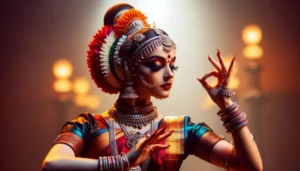
These art forms carry deep philosophical meaning. For example, every movement in Bharatanatyam tells a spiritual story based on old texts like the Natya Shastra. When young dancers learn these styles, they not only gain skills but also understand the moral and artistic values that are central to Indian culture.
In addition Indian classical arts, have found a place in today’s world.People around the globe now experience these traditions through festivals and online performances. This global attention helps keep the culture alive by offering artists more opportunities and making more people appreciate the rich heritage of India.
Indian Dance and Culture: Expressions of Identity
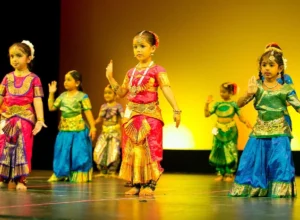
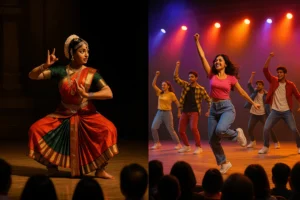
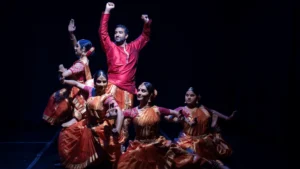
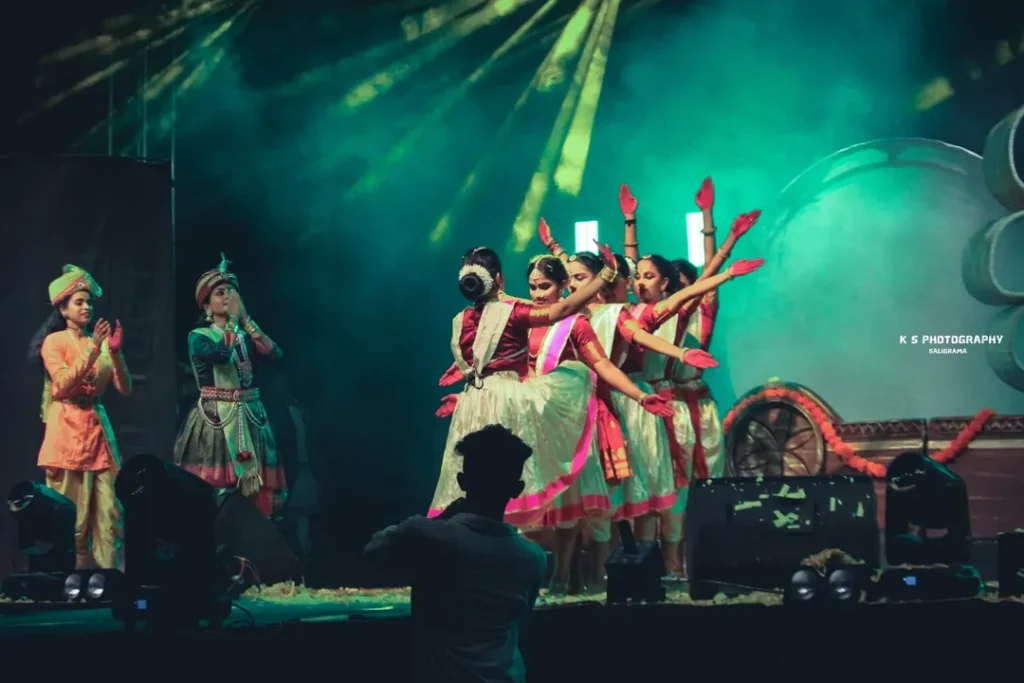
Indian dance and culture are some of the most noticeable and touching ways to keep traditions alive. Classical and semi-classical dance forms turn feelings and stories into strong visual stories.Kathak, with its complex foot movements and storytelling, has grown from performances in temples to those in royal courts.Kuchi pudi and Mohiniyattam keep the special tastes of their regions while connecting with the broader Indian spiritual traditions.
These dances don’t just amuse they also teach people about myths, history, and important values.In both rural and city areas, dance plays a key role in celebrating important life events.Weddings, harvest festivals, and religious ceremonies include performances that help keep culture going. Through Indian dance and culture, younger people learn to be proud of their heritage while developing discipline, concentration, and creativity.
Indian Folk Traditions: The Heartbeat of Communities
Indian folk traditions are the heart of cultural preservation at the local level. Unlike classical art forms that stick to strict rules, folk arts are more flexible and are created by communities themselves. These traditions show the real life, history, and everyday situations of the people with great honesty.
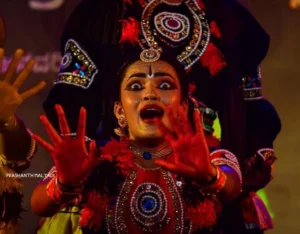
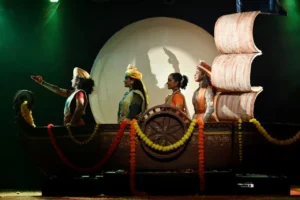
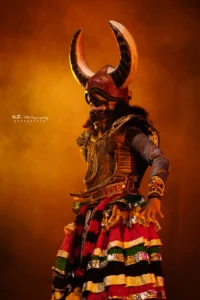
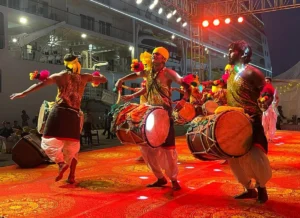
From Bhangra in Punjab to Bihu in Assam, and Lavani in Maharashtra to Garba in Gujarat, these traditions honor the natural flow of life.Folk songs often tell stories about important events, farming seasons, and changes in society, using easy-to-understand words. Other forms like puppet shows, mask-making, and street performances also add to this rich cultural scene.
What’s special is that Indian folk traditions give a voice to those who are often overlooked.Many tribal and rural groups have their own unique art forms that contain valuable knowledge about health, nature, and living in harmony with the environment. Keeping these traditions alive helps preserve both cultural variety and important environmental wisdom.
Challenges Threatening Indian Art and Culture
Indian art and culture are strong, but they still face big challenges. As cities grow, more young people move to urban areas, leaving villages behind. This breaks the traditional system where teachers pass down knowledge to students. Modern entertainment, like movies and music, can sometimes make traditional art forms less popular.
Also, climate change is harming important cultural sites and the materials used in handmade crafts.At the same time, the world becoming more connected brings both good and bad things.On one hand, artists can sell their work to people around the globe, which helps them earn money. But sometimes, to please tourists, traditional art is changed in ways that lose its real meaning.
However, more people now understand these problems.Governments, non-profits, and private groups are working together to record, bring back, and support art forms that are at risk. Using digital tools to save and teach traditional arts has become a big part of these efforts.
Effective Strategies for Protecting the Cultural Heritage of India
Several practical methods help keep India’s cultural heritage alive and strong. Schools are important because they include traditional arts in their lessons. When kids learn classical music or folk dances along with regular subjects, they gain a better understanding of their culture and the world.Community groups and craftspeople’s centers also help by offering jobs.
These programs give artists a steady income, so they can keep practicing their skills. Programs that pair experienced teachers with young learners help pass on both technical abilities and deeper knowledge.Technology also helps in new ways.Virtual tours of historical places, online collections of rare music, and computer tools for writing down music make traditional knowledge easier to share.
Social media lets artists show their work to people around the world without needing middlemen.Business support and cultural travel also make a big difference.When tourists see real performances and crafts, they learn to value India’s living traditions. Smart tourism models make sure local communities get the benefits instead of just outsiders.
The Interconnectedness of Arts and Cultural Identity
Indian art and culture are connected like a big network where different forms of art and traditions support each other. For example, a classical dancer might get ideas from small, detailed paintings, and folk musicians often use poetry from local languages.
This way of combining different arts creates deep and complex cultural experiences.
When people keep this connection alive, it helps the whole society remember its history.Every new generation brings new ways of looking at things while still respecting the old traditions. This keeps India’s cultural heritage fresh and meaningful for everyone.
Conclusion
Protecting the rich cultural heritage of India through traditional arts needs a continuous effort from individuals, communities, and organizations. Every time someone goes to a classical music performance, learns a folk song, or helps a local craftsman, they are part of this important task.
The charm of Indian traditions comes from their power to connect old wisdom with new creativity.When people actively take part in Indian dance, culture, folk traditions, and classical arts, they help keep these rich cultural practices alive.
This ensures that future generations not only learn about these traditions but also feel a deep connection to their roots.If you are interested in preserving India’s artistic traditions and experiencing real cultural practices, visit https://nandagokula.com.Explore carefully selected programs, learn about the artists, and find meaningful ways to connect with the living cultural heritage of India.
FAQs
Protecting the cultural heritage of India helps keep the nation’s identity strong, brings people together in society, and keeps important traditional knowledge alive, which can help solve today’s problems.
Indian classical arts pass on important values, stories from the past, and artistic principles from one generation to the next.They also change to fit modern times, making them good ways to keep culture alive.
Indian folk traditions show the knowledge and skills of local communities, help people feel connected to their culture, and offer ways of living that are good for the environment. These traditions also help teach important lessons that go along with school and global ideas.
Yes, technology can help by recording and sharing Indian art and culture in digital formats.It also makes it easier for young people and people from around the world to learn about and enjoy these traditions.
People can help by learning traditional arts, going to cultural events, supporting artists, and sharing real content that shows Indian dance, culture, and folk traditions.