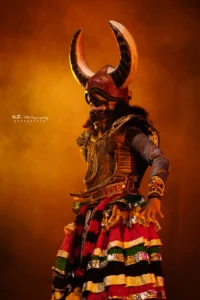
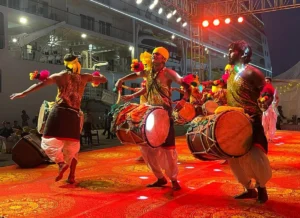
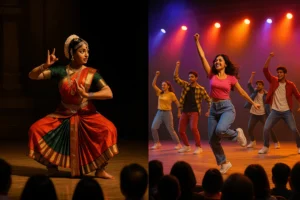
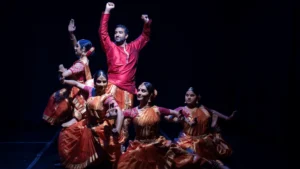
Cultural events have always been lively spaces that bring people together and encourage creativity. In a country as diverse as India, these events do more than just provide entertainment; they give a platform to new artists, musicians, dancers, and craftspeople who might not get much attention otherwise. When people attend exciting performances or take part in interactive activities, they see art in its most genuine form, often discovering talented individuals from their own communities.
These events offer local talent a chance to perform, be seen, and gain recognition, which helps them grow professionally.
They also help strengthen cultural identity and bring economic benefits through tourism and local spending. When communities plan festivals with care, the impact goes far beyond the event itself. This blog looks at how cultural events support artists and why it’s important to keep backing them to protect India’s rich traditions.
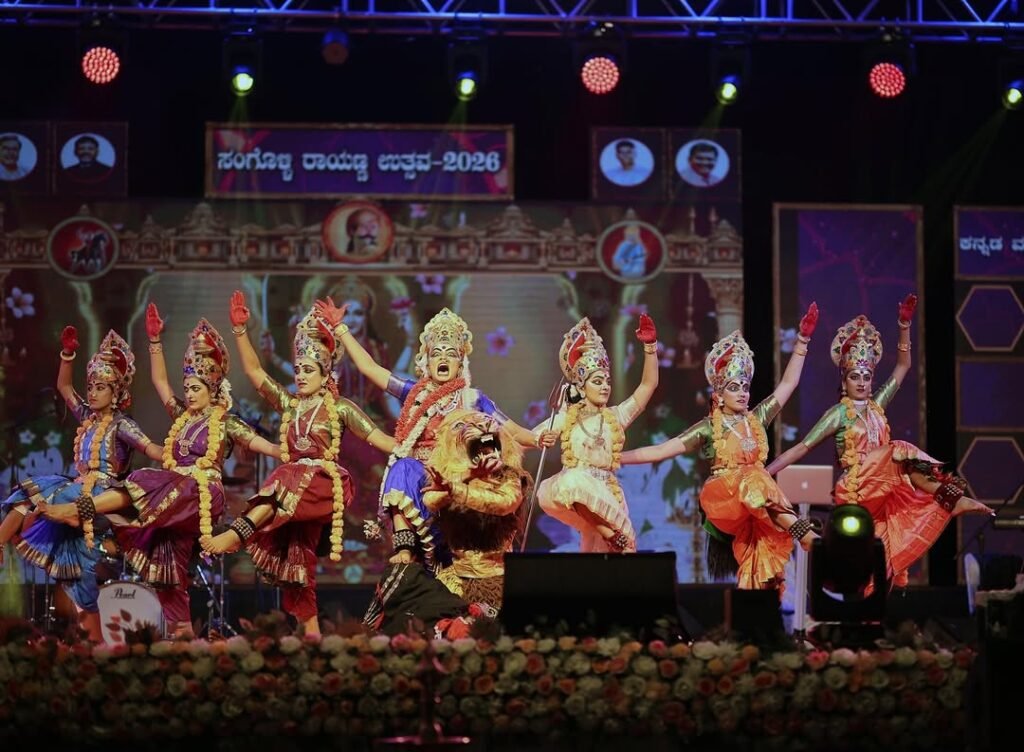
The Role of Cultural Events in Talent Discovery
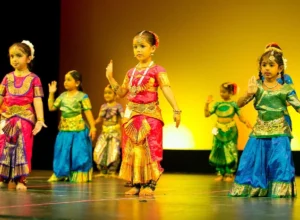
Cultural events naturally serve as breeding grounds for talent. Event organizers frequently include open auditions, amateur performance slots, or youth competitions where newcomers can perform beside experienced professionals. This kind of exposure helps artists gain confidence and improve their skills through real-time audience feedback.
Moreover, these events connect formal training with actual public performances. Many participants who begin with minor roles later receive opportunities to perform in bigger venues or collaborate with more established artists. Since the audience is made up of people from different backgrounds, performers are encouraged to think creatively while still respecting and drawing from their cultural roots.
Cultural Events in India: A Platform for Emerging Artists
Cultural events serve as natural spaces where talent grows. Organizers usually set up open tryouts, opportunities for newcomers, or contests for young people, letting beginners share the stage with experienced performers. This gives artists a chance to gain confidence and improve their abilities by getting real-time feedback from audiences.
These events also connect formal learning with actual stage experience. Many people who start with minor parts later get chances to perform in bigger places or work with other artists. Since the audience is made up of people from different backgrounds, performers get a wide range of ideas and views. This helps them create new and original work while staying true to their cultural roots.
How Artistic Expression Thrives Through Participation
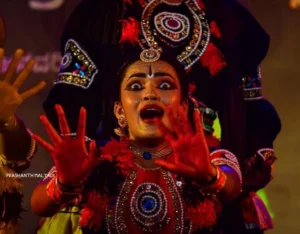
Artistic expression reaches its peak when creators move from practice rooms into public spaces. Cultural events support this shift by providing workshops, residencies, and mentorship alongside major performances. Artists explore new styles by mixing classical methods with modern ideas, keeping traditions alive and meaningful.
When audiences join dance circles or interact with art installations, passive observation becomes active participation. This lively setting encourages performers to take risks, knowing their work connects on both emotional and cultural levels.
Choosing the Right Theme for Cultural Event Success
Selecting an engaging theme for a cultural event plays a key role in determining how many people attend and how impactful the event becomes. A well-chosen theme brings together performances, decorations, and activities in a cohesive way, while also showcasing specific local talents. For example, a theme like “Unity in Diversity” can highlight regional dances, cuisines, and handicrafts from across the country, giving equal attention to artists from less-known states and regions.
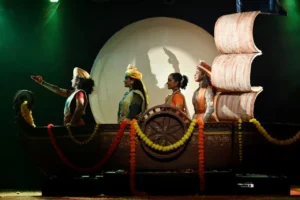
Event organizers who carefully plan their theme often include storytelling elements, which can make the experience more meaningful.
Themes focused on heritage, sustainability, or women’s empowerment tend to draw specific audiences and attract media attention. This targeted approach ensures that participating artists receive the kind of recognition that matches their skills, which can lead to better networking opportunities and more bookings in the future.
When planning a cultural event, communities can benefit from looking at successful examples. Many events in India have thrived by linking their themes to seasonal festivals or local legends, creating genuine and immersive experiences that naturally encourage artistic expression.
Spotlight on Indian Classical Dance in Cultural Celebrations
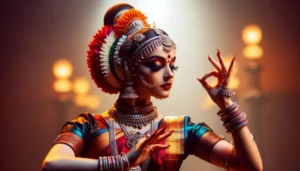
Indian classical dance forms are a key part of many cultural celebrations. Performances of Bharatanatyam or Kuchipudi do more than entertain they also teach people about stories from mythology, deep ideas, and history. Young dancers who train in traditional gurukuls or local dance schools get noticed when they perform at festivals like Mamallapuram or the Nishagandhi Dance Festival. These events offer organized stages where dancers can show off their skill and emotional expression. As they perform complex hand gestures and rhythmic foot movements, audiences admire the hard work and dedication behind the performance. With regular involvement in such events, dancers can eventually get jobs as teachers, choreographers, or even receive support from sponsors, helping the art form grow while staying true to its roots.
Economic and Social Benefits of Promoting Local Talent
Beyond personal development, cultural events boost local economies. When tourists come to see performances, they help hotels, restaurants, and transportation. Artisans sell their crafts directly, and performers make money through ticket sales or by being invited to company events.
Socially, these events build pride and a sense of belonging. Families encourage their kids to learn music or dance, knowing there are trusted places where they can show off what they’ve learned. This ongoing support and chance to grow helps keep talent alive for many generations.
Also, cultural events encourage inclusivity. They often include parts where artists with different abilities or from underrepresented groups can take part, which makes the experience richer and more diverse.
Building Long-Term Careers Through Repeated Exposure
Attending cultural events regularly helps artists build important professional skills like managing a stage, engaging with audiences, and working with others. Many well-known performers credit a single unforgettable performance at a festival for launching their careers, whether it became popular online or caught the attention of a mentor.
Also, event organizers who record and share events through videos and social media help local talents gain attention far beyond their immediate audience. This online exposure can turn casual participants into well-known names, leading to opportunities to work with artists from across the country and around the world.
Conclusion
Cultural events play a big role in helping local talent shine while also showcasing the rich and varied traditions of India. They provide platforms for artists to express themselves, keep traditional art forms like Indian classical dance alive, and open up new opportunities for creators. Choosing a strong and meaningful theme for a cultural event can really boost how many people get involved and how much of an impact it has. By backing these kinds of events, communities help ensure that artists from all areas get a chance to share their work with others.
Whether it’s a big national festival or a small local gathering, these events bring together culture, creativity, and business. In the end, supporting cultural events means supporting a lively and welcoming future where every artist can grow and succeed.
Faqs
A strong theme for cultural event could be “Roots and Wings” or “Unity in Diversity,” which showcases regional artists, Indian classical dance, folk music, and crafts while encouraging fusion performances that highlight emerging local talent.
Cultural events in India provide platforms for auditions, workshops, and live shows where young artists gain visibility, feedback, and networking opportunities. Many festivals specifically feature youth categories, helping beginners transition into professional careers.
Artistic expression allows performers to convey emotions, stories, and social messages through dance, music, or visual arts. Cultural events amplify this by offering receptive audiences, which builds confidence and preserves cultural narratives for future generations.
Popular forms include Bharatanatyam, Kathak, Odissi, Kuchipudi, and Mohiniyattam. These are frequently performed at dance festivals held at historic sites, giving local practitioners national exposure.
Communities should start by selecting an engaging theme for cultural event, partnering with local academies, and including open slots for amateurs. Promoting through social media and collaborating with tourism boards helps attract larger audiences and greater opportunities for artists.