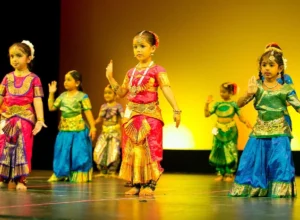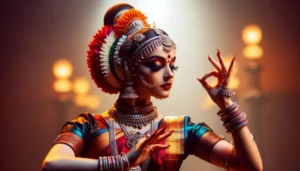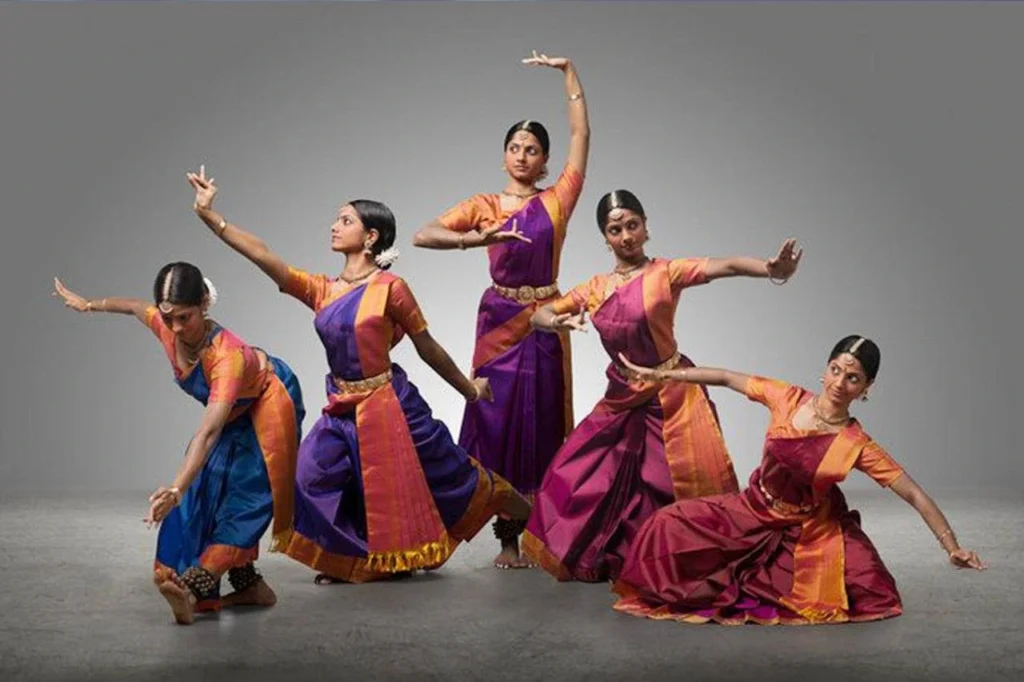
In a country like India, where rhythm and expression have always been a big part of life, classical dance still has a special place in people’s hearts. But for those who love dance and their parents, there’s often a question: can making classical dance your main job work in today’s busy world? Many are drawn to the elegance of Bharatanatyam, the storytelling of Kathak, or the expressive styles of Odissi and Kuchipudi. However, worries about money, getting recognized, and having a steady future often come up.
This blog looks at the real situation, the chances, and the difficulties of becoming a professional in Indian classical dance. Whether your dream is to perform on famous stages or to teach others, knowing the full story can help you make a smarter choice.
Why Consider Classical Dance as a Career?
Classical dance in India is more than just a performance; it’s a disciplined art that involves physical fitness, emotional understanding, knowledge of culture, and spiritual meaning. Many people start with semi-classical styles that mix traditional techniques with modern ideas, which helps them connect better with today’s audiences.
Indian classical dance is also known worldwide. Dancers often get invited to international events, workshops, and collaborative projects. But achieving success takes many years of serious training under a guru, regular practice, and a strong dedication to the guru-shishya tradition. Those who keep going often find that the rewards go beyond money they include personal growth, respect in cultural communities, and the satisfaction of keeping traditions alive.
Moving from a hobby to a profession is possible, but it needs smart planning. Many successful dancers do a mix of performing, teaching, and choreography, which helps them earn money in different ways.
Pros of Choosing Classical Dance as a Career
When looked at carefully, classical dance has many great benefits. One big advantage is the personal joy it brings. There’s a real sense of pride and accomplishment when you learn difficult movements or create a strong performance in abhinaya. It also helps with the body, improving strength, flexibility, and posture, which are good for long-term health. In terms of career options, there are more chances now than before.
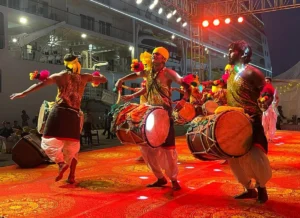
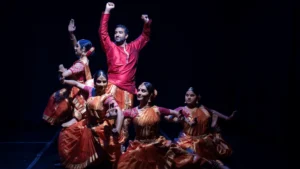
Dancers can perform at cultural shows, temple celebrations, company events, and even go on international tours. Teaching is also a good option, with many starting their own dance schools or working at colleges and universities. Creating dance pieces for movies, TV shows, and mixed-style projects that include elements of semi-classical dance can also lead to jobs in the entertainment field.
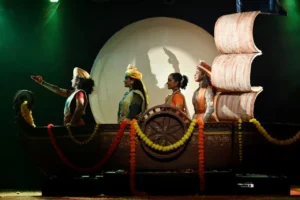
There are also government programs and scholarships from organizations like the Sangeet Natak Akademi that help dancers perform abroad. Plus, classical Indian theatre and drama often work together with dance, giving artists the chance to act in plays or Yakshagana-style performances.
Cons and Challenges in Pursuing Classical Dance
Despite the beauty of the art, there are several challenges that artists face. Financial problems are a major issue for many. Newcomers may earn only a small amount, with starting salaries or performance fees usually between ₹3 to ₹6 lakhs per year. However, experienced artists can earn more through performances (ranging from ₹10,000 to over ₹1 lakh per show) or by teaching.
Social attitudes also affect the field. In many families, classical dance is still seen as a pastime rather than a real job, especially when compared to careers like engineering or medicine. The lack of regular performance chances, along with high costs for costumes, jewelry, musicians, and travel, adds to the pressure. Plus, competition is tough, and without good connections or marketing skills, it’s hard to get noticed.
The demanding schedule often makes it hard to keep up with family life or other jobs. Many skilled dancers end up working in other fields, like teaching in schools while also holding corporate or academic jobs. Problems like poor funding from institutions and changing audience tastes towards more commercial styles make things even harder.
Exploring Related Career Paths: Semi Classical Dance, Drama, and Theatre
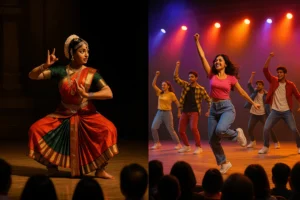
Semi classical dance is a great option for people who love traditional art but want something that can reach a wider audience. It mixes elements of Indian classical dance with simpler, more approachable movements that work well for weddings, corporate events, and fusion performances. This adaptability often leads to more performance opportunities and faster income for artists.
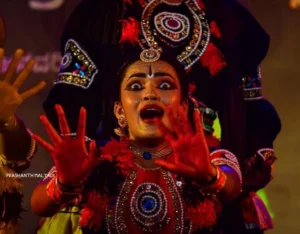
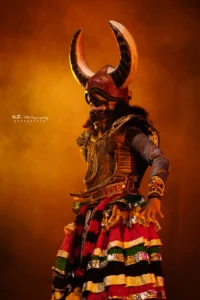
Those who enjoy storytelling might also consider classical Indian drama, where dance and theater combine to create powerful performances. Traditional theatre and folk forms like Yakshagana, which is popular in Karnataka, offer exciting performance chances that include movement, speech, and music. These paths open up new possibilities beyond just classical dance, helping artists develop a range of skills and attract different kinds of audiences.
Training at places like Nandagokula.com usually covers several styles, helping dancers prepare for a variety of professional settings, whether they focus on pure classical dance or blend different styles together.
Building a Successful Career: Steps and Strategies
To turn your passion into a lasting career, taking structured steps is key. Start by getting proper training from a respected teacher or a well-known institute. Getting a diploma or degree in performing arts from a recognized university can help you get teaching jobs or work with the government.
Then, build a solid portfolio by performing solo, taking part in regular shows, and joining festivals. Learning how to teach early on can give you a steady income while you continue to grow as a performer. Making connections with cultural groups, applying for grants, and using social media to share your work are more important than ever in today’s world.
Many dancers start their own dance schools or offer online classes, which can reach students around the world. Expanding into areas like choreography, directing Indian folk theatre, or creating dance-based wellness programs can open up more job opportunities. Also, it’s important to plan your finances carefully. Many people suggest getting another academic degree at the same time to help with stability during the early stages of your career.
The Role of Institutions and Support Systems
Reputed training centers are important in helping professional dancers grow. They offer not just technical skills but also help with career planning, how to perform on stage, and how to promote themselves. In Bengaluru, Nandagokula.com is a great place for dance education. It offers classes in classical dance, semi-classical dance, and also gives performance opportunities through its dance hub team. These kinds of places help students move from being learners to performers and teachers.
Government programs, university courses, and private schools are all part of a growing support system. But more support from institutions like more funding, better places to perform, and official recognition could make careers in classical dance more stable and successful.
Future Outlook for Classical Dance Careers in India
The future looks hopeful but also complex. As more people around the world show interest in Indian culture, mixed-style projects, and digital tools, Indian classical dance is gaining attention from new audiences. New ideas like online classes, virtual shows, and linking dance with wellness and corporate training are opening up new paths.
Though there are still difficulties, artists who are committed, flexible, and able to mix traditional styles with modern trends are likely to succeed. There is an increasing need for performers who are connected to their culture but also adaptable, especially in areas like education, events, and media.
Conclusion
So, is classical dance a good career option in India? It really depends on your passion, dedication, and how willing you are to face challenges in a creative way. For those who really love the art, it can lead to a very satisfying life filled with culture, discipline, and self-expression. Although the financial rewards might not be as high as some traditional careers at first, there are various ways to make it work like performing, teaching, choreographing, or even exploring related fields such as semi-classical dance, classical Indian drama, or Indian folk theatre. These options can help turn classical dance into a sustainable career for those who are truly committed.
If you feel a strong connection to the rhythm and movement of classical dance, then it’s worth taking the leap.
Make sure to get proper training and plan your path carefully. You can explore quality programs at Nandagokula.com to build a solid foundation. Keep in mind that every great dancer started as a beginner, driven by passion. With hard work and perseverance, classical dance can grow from a dream into a fulfilling and lifelong journey.
Earnings vary widely based on experience and opportunities. Beginners may start with ₹3-6 LPA through teaching or small performances, while established performers and choreographers can earn significantly more through shows, workshops, and academy ownership.
Yes, semi classical dance often provides more immediate performance and teaching opportunities due to its broader appeal. Many dancers use it to supplement pure Indian classical dance pursuits, creating a balanced professional portfolio.
Limited but growing support exists through scholarships, ICCR empanelment, Sangeet Natak Akademi fellowships, and cultural festivals. However, many artists advocate for stronger policies and funding to make the field more sustainable.
These forms offer excellent extensions for dancers skilled in expression and movement. Integrating classical Indian drama or Indian folk theatre elements can lead to roles in theatre productions, festivals, and innovative storytelling performances.
Reputable institutes provide structured training in classical dance and related styles. For comprehensive classes and performance exposure, consider exploring options at Nandagokula.com, which supports aspiring artists in building professional skills.