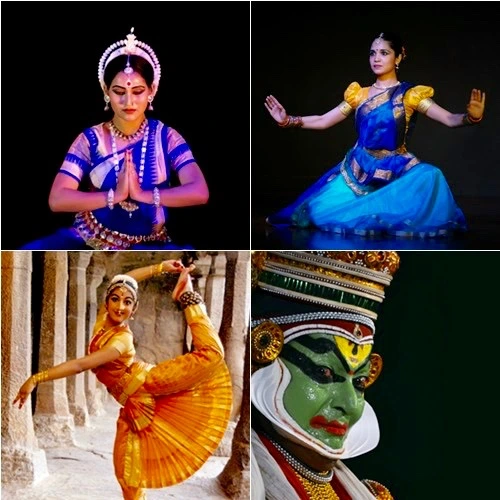
Indian classical dance is one of the most powerful ways to show the spirit of a civilization. This deep tradition mixes spirituality, stories from myths, rhythm, and emotion into movements that have been shared for thousands of years. It’s not just about entertainment; it’s a sacred way of expressing devotion, feelings, and important ideas.
These dances come from old religious texts and the traditions of different regions. They are still performed in temples, during festivals, and even on international stages. In today’s world, learning more about Indian classical dance helps us understand why it remains an important part of India’s culture. It keeps traditions alive while encouraging discipline, creativity, and emotional expression.
History of Indian Classical Dance
The history of Indian classical dance starts with the Natya Shastra, an important ancient text believed to have been written by sage Bharata Muni between roughly 200 BCE and 200 CE. This work is considered the fifth Veda and brings together ideas from the four Vedas to offer a complete guide on the performing arts. According to tradition, Lord Brahma created Natya to help people grow spiritually, and Bharata recorded its key ideas, such as rasa, which refers to emotional expression, bhava, or mood, mudras, which are hand gestures, and 108 karanas, which are basic dance movements that include body, hand, and foot positions. These ideas form the foundation that connects all the different styles of classical dance.
For many centuries, Indian classical dance was practiced in temples by devadasis, who performed as a form of devotion. Support from local rulers helped keep the dance alive, but during the colonial period, there were challenges to its survival.
However, in the 20th century, dedicated artists and leaders helped bring these dances back to life and gave them new meaning. Today, organizations like the Sangeet Natak Akademi work to protect and share these traditions, making sure the history of Indian classical dance continues to develop while staying true to its ancient roots.
Types of Indian Classical Dance
India’s rich diversity is beautifully shown through its various forms of classical dance. The Sangeet Natak Akademi officially acknowledges eight distinct styles, each unique but connected by the common principles of Natya Shastra.
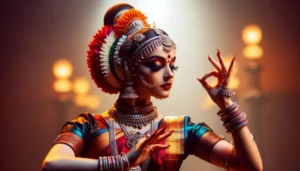
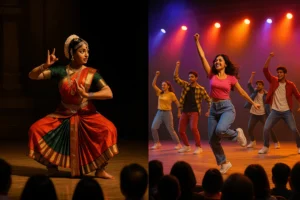
- Bharatanatyam (Tamil Nadu): Precise, geometric movements and powerful eye expressions rooted in temple traditions.
- Kathak (Uttar Pradesh): Dynamic footwork, spins, and narrative storytelling influenced by both Hindu and Mughal heritage.
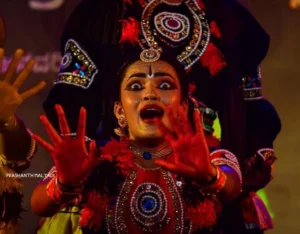
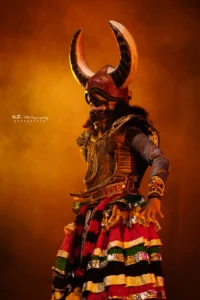
- Kathakali (Kerala): Highly theatrical, featuring elaborate makeup, costumes, and dramatic facial expressions to enact epic tales.
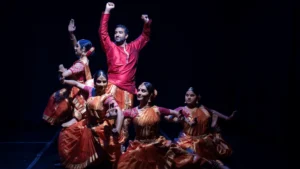
- Kuchipudi (Andhra Pradesh): Combines dance, drama, and speech, often performed with vibrant energy.
- Odissi (Odisha): Graceful, sculpture-like poses inspired by temple carvings at Konark and Puri.
- Manipuri (Manipur): Delicate, flowing movements portraying Radha-Krishna legends with gentle lyricism.
- Mohiniyattam (Kerala): Feminine, swaying style evoking the mythical enchantress Mohini.
- Sattriya (Assam): Devotional form born in Vaishnava monasteries, emphasizing spiritual themes.
These kinds of Indian classical dances show how diversity can come together as one each style shows the culture of its own region but is based on the same old traditions.
South Indian Classical Dance
It helps build discipline, emotional awareness, physical strength, cultural understanding, and mindfulness. In today’s busy world, it serves as both an art form and a way to relax the mind. South Indian classical dances are unique because they focus on devotion and exact movements. Each dance form has a clear structure that combines discipline with creativity.
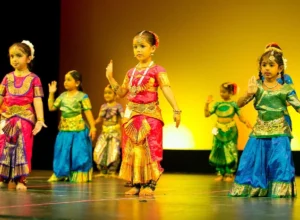
Bharatanatyam is one of the most famous styles. It follows a traditional order, starting with an opening called alarippu and ending with tillana. The performance grows more emotional through abhinaya, which uses facial expressions and body language to tell a story. Kuchipudi is more dramatic, with spoken parts and quick beats, making the shows lively and expressive.
Mohiniyattam is known for its smooth and flowing movements. It has a gentle and feminine feel that draws people in. Kathakali, while very showy, is also very spiritual. It tells stories from old epics like the Ramayana and Mahabharata using strong expressions and detailed costumes.
These dance styles show the value of hard work and spiritual connection. They also show how movement, music, and storytelling can come together beautifully. This harmony continues to attract people all over the world.
Why Indian Classical Dance Matters in Contemporary Culture
Indian classical dance has stood the test of time and continues to be relevant today. It helps preserve intangible heritage by passing down stories from ancient epics and moral lessons from one generation to the next. These stories come to life through the movements and expressions of the dancers, keeping the culture’s history and values alive. The practice also builds physical strength, mental discipline, and emotional awareness.
Dancers learn to control every part of their body while expressing the nine rasas, which are deep emotional states. This process helps them understand their own emotions and connect with others on a deeper level. In a world that is becoming more connected, these traditional dances from India help people take pride in their culture and spread positive influence abroad.
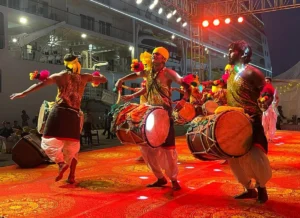
International events often highlight these performances, allowing people from different cultures to learn about and appreciate India’s rich artistic traditions. Additionally, the dance has therapeutic benefits. Its meditative nature helps reduce stress, improve body coordination, and boost overall well-being. These advantages are now being more widely recognized in modern health and wellness practices.
Conclusion
Indian classical dance serves as a lasting reflection of India’s spirit combining spirituality, artistry, and strength. Starting from the ancient teachings of the Natya Shastra to lively modern forms, it continues to inspire faith, dedication, and harmony within a diverse society. As the world becomes more connected, supporting these traditional dance styles ensures that future generations not only learn the movements but also carry forward deep cultural values. Whether by studying, watching, or simply enjoying, interacting with Indian classical dance adds richness to life and honors humanity’s ability to express beauty. Explore classes, events, and genuine instruction at nandagokula.com.
The Natya Shastra by Bharata Muni serves as the foundational scripture, outlining principles of dance, drama, music, emotions (rasa), and gestures.
Eight forms are recognized by the Sangeet Natak Akademi: Bharatanatyam, Kathak, Kathakali, Kuchipudi, Odissi, Manipuri, Mohiniyattam, and Sattriya.
Many originated in temples as offerings to deities, emphasizing bhakti, spiritual storytelling, and surrender through precise yet expressive movements.
It builds discipline, emotional intelligence, physical fitness, cultural awareness, and mindfulness serving as both an artistic pursuit and a meditative practice in today’s hectic world.
Indian classical dance follows codified ancient rules from texts like the Natya Shastra, focuses on structured expression and spiritual depth, whereas folk dances are more community-oriented, celebratory, and region-specific without the same theoretical framework.