In a world where technology and modern entertainment take over everyday life, the lasting beauty of performing arts still manages to touch hearts and keep cultural traditions alive. Indian performing arts are a bright example of the country’s deep history, mixing spirituality, stories, and skillful techniques. However, many artists who love their craft face tough times due to money problems, few chances to perform, and pressure from society.
By supporting these artists properly, society can help make sure that performing arts in India continue to grow and flourish for years to come. This blog looks at how focused support and special spaces can help promote performing arts and honor forms like Indian classical dance and semi-classical dance. Performing arts centers in India are key to this effort, providing training, performance chances, and ways for artists to connect with others and show off their talent.
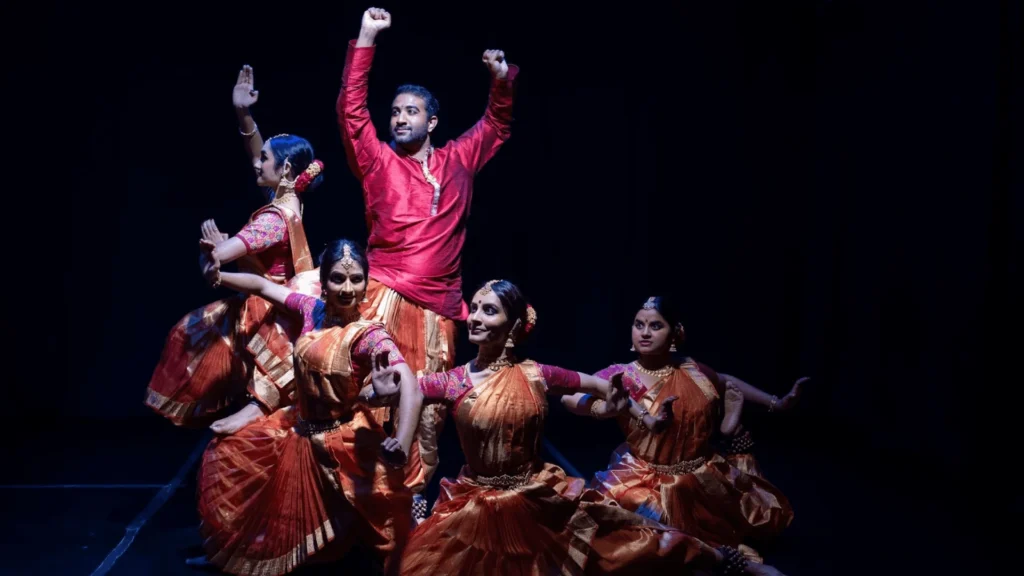
The Rich Legacy of Performing Arts in India
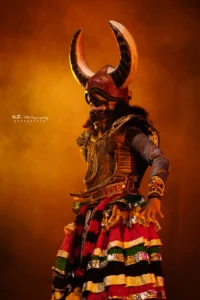
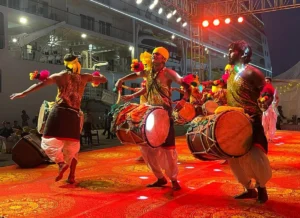
Performing arts in India have a long history that goes back thousands of years, rooted in ancient writings like the Natya Shastra. This detailed text explains the rules of theater, dance, and music, and it highlights that performing arts do more than just entertain they also help people express emotions and connect with spirituality. From the elegant steps of Indian classical dance to the lively beats of folk traditions, these art forms show the many different cultures across India.
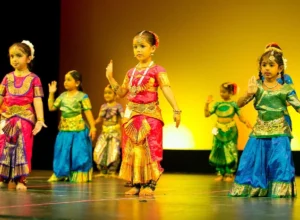
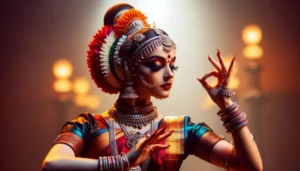
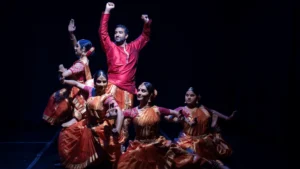
Some well-known classical styles are Bharatanatyam from Tamil Nadu, which is famous for its careful foot movements and expressive facial gestures; Kathak from northern India, which tells stories through fast spins and complex rhythms; and Odissi from Odisha, known for its graceful and devotional style. All these forms share stories from famous Indian epics like the Ramayana and Mahabharata, and they pass on important values like discipline, devotion, and harmony through generations.
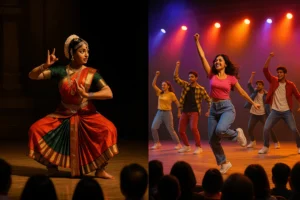
Semi-classical dance is a mix of tradition and modern styles. It takes its roots from classical dance but adds more movement, modern ideas, and elements from folk dances. This type of dance makes performing arts easier for more people to enjoy, and you can often see it in performances, cultural gatherings, and online. It lets artists be creative without strict rules, but still keeps the strong emotions and skill needed from classical training.
These traditions have lasted through wars, foreign rule, and fast city growth because artists really cared about keeping them alive. But if they aren’t properly supported and taught, many of these forms could disappear over time.
Why Nurturing Passionate Artists Matters for Performing Art
Nurturing passionate artists is key to growing performing arts. Many talented people face big challenges like not having enough money, not getting enough recognition, and society pushing them towards more traditional jobs instead of creative ones. New artists often find it hard to get regular chances to perform or enough support to fund their work, which makes it tough for them to fully focus on their art.
When artists get good guidance, training, and opportunities, they become more confident and skilled, which helps the whole performing arts scene in India. Young dancers and performers not only get better at their craft but also learn how to handle challenges, understand emotions better, and feel proud of their culture. These artists also become voices that share Indian classical and semi-classical dances with the world, helping people from different cultures appreciate them more.
Moving from loving art to making it a career needs support. Performing arts centers in India help with this by offering places to practice, learn, and perform. These centers give artists a safe space to try new things, work with others, and improve their skills without worrying about making money right away. Because of this, the quality and variety of performing arts keep growing, making sure they stay important in today’s world.
Challenges Faced by Artists in the Performing Arts Sector
Despite the cultural importance of performing arts, artists face many hurdles that stop them from growing. One big problem is money. Live shows and training don’t usually bring in much compared to other jobs, so artists often struggle to make ends meet. There’s also not enough support from the government or private companies, which makes it even harder for talented people to focus on their art. Many have to take regular jobs to survive.
In some areas, there’s still a negative view towards performing arts. People think it’s not stable or not as important as other careers. This makes it hard for families to support their children who want to become artists, especially in smaller towns or rural places. Plus, there’s not enough good training facilities everywhere, so access to quality education varies a lot from one place to another.
Another big issue is getting noticed. While there are some good opportunities in big cities, artists from smaller towns find it tough to reach bigger audiences. Although the internet has helped a bit, there’s still a lot of competition, and traditional art forms often get less attention than popular entertainment.
All these problems show that there’s a real need for people to work together to help artists thrive and keep performing arts alive in India.
Role of Performing Arts Centers in India in Nurturing Talent
Performing arts centers in India play a key role in supporting and growing performing arts by offering a wide range of services. Places like the National Centre for the Performing Arts (NCPA) in Mumbai have been supporting music, dance, and theatre for a long time. They do this by providing top-quality venues and educational programs. These centers help people learn Indian classical dance, take workshops on semi-classical dance, and work with other art forms through collaborative projects. These centers also help artists grow by connecting experienced teachers with new talent. This ensures that traditional skills are passed on properly. They also organize festivals, residencies, and awards that celebrate outstanding performances and encourage artists to explore new ideas. For example, many centers host annual events that display different styles of art, helping performers build their portfolios and make connections.
In addition to training, these centers work to grow the audience for performing arts. They do this by making performances and educational activities accessible, which helps people develop a deeper appreciation for the arts. This creates a cycle where artists who are well-trained can inspire future generations.
One great example is Nandagokula, a performing arts center in India that focuses on nurturing passionate artists. It is part of Arehole Prathishtana in Karnataka and specializes in Indian classical dance, semi-classical dance, folk, contemporary styles, and theatre. It is run by dancer and theatre artist Kumari Shwetha Arehole and includes the Nandagokula Theatre School, which offers structured training programs. The center hosts lively festivals like NruthyaVarsha and gives awards such as the Nandagokula Nruthyavisharada Award to honor excellence in dance. Through these efforts, Nandagokula helps preserve cultural traditions while giving artists the support they need to succeed. For more information about their programs and to join their mission of promoting performing arts, visit https://nandagokula.com/.
Strategies to Promote Indian Performing Art Through Artist Nurturing
Effective promotion of performing arts starts with focused strategies that help develop talent. First, more support is needed for training facilities. Performing arts centers in India should offer more scholarships and free or low-cost workshops, especially for talented artists from less privileged backgrounds who are interested in Indian classical or semi-classical dances.
Second, using digital tools can help reach more people. Artists can use online platforms to show their performances, teach through tutorials, and share behind-the-scenes stories. This makes performing arts in India available to people all around the world. Mixing live events with virtual formats can attract bigger audiences and also give artists more ways to earn money.
Third, working with companies and local communities can make a big difference. Getting sponsors for festivals, artist residencies, and school programs can help bring performing arts into regular education, allowing kids to explore their interests early. Support from the government, like pensions, health care, and money for performances, can also help artists manage their finances better.
Lastly, sharing stories and preserving knowledge is key. Recording masterclasses, keeping track of oral traditions, and building archives ensure that the skills in Indian classical and semi-classical dances are not lost. When artists are consistently supported through these methods, performing arts in India continue to grow and stay a living, evolving part of the culture, not something from the past.
The Future of Performing Arts in India
Looking ahead, the future of performing arts looks bright if we keep focusing on nurturing talent. As India grows on the world stage, its cultural influence especially through performing arts can help build stronger international relationships and attract more tourists. Young people today are more interested in wellness and self-expression, which is leading them to explore dance and theatre as ways to grow personally.
By solving current problems and learning from successful performing arts centers in India, the overall environment can become more welcoming and long-lasting. Artists who once faced difficulties can become confident professionals, bringing value to society through their creativity and deep understanding of culture.
Conclusion
Promoting Indian performing arts goes beyond just showing off performances; it involves actively supporting artists who are passionate about keeping these traditions alive. Whether it’s the elegant structure of Indian classical dance or the more expressive style of semi-classical dance, these art forms hold deep significance that goes beyond just being entertaining. Institutions and programs in India, like Nandagokula, show how focused support can turn difficulties into chances for growth.
By offering training, opportunities to perform, and proper recognition, the community helps ensure that performing arts keep inspiring and bringing people together while preserving India’s rich cultural legacy. Everyone has a role to play attending shows, backing artists, or pushing for more cultural initiatives.
When we all do our part, we help keep the spirit of performing arts alive and shining brightly. Discover more ways to get involved and nurture talent at https://nandagokula.com/.
Performing arts in India encompass a wide range including Indian classical dance forms like Bharatanatyam and Kathak, semi classical dance, folk dances, music, and theatre. These traditions draw from ancient principles and continue to evolve through passionate artists.
Performing arts centers in India provide training, mentorship, performance venues, and festivals that equip artists with skills and visibility. They create supportive environments where talent in performing art can develop sustainably.
Indian classical dance follows strict traditional rules rooted in texts like the Natya Shastra, emphasizing precision and spirituality. Semi classical dance blends these foundations with creative flexibility and modern elements, making it more adaptable for contemporary audiences.
Promoting performing arts in India preserves cultural heritage, builds community, and fosters creativity. Nurturing passionate artists ensures these forms remain relevant, contributing to both personal development and national identity.
You can support by attending events at performing arts centers in India, following and sharing artists’ work, or engaging with initiatives like those at Nandagokula. Visiting https://nandagokula.com/ offers opportunities to learn about programs and contribute to nurturing talent.