Indian classical dance is much more than just beautiful movements and rhythmic steps. It’s a deep spiritual experience that connects both the dancer and the audience with the divine. These dance forms have their roots in ancient traditions and were originally performed in temples as a way to honor the gods. Even now, when they are performed on stage, they still have the power to create strong spiritual feelings through their expressive stories and meaningful hand gestures.
This sacred art form follows the guidance of the ancient Natya Shastra, which turns physical movements into a path for inner peace and devotion.
As people watch the powerful portrayal of myths and emotions, they often feel a sense of higher connection. In this blog, we look at how Indian classical dance connects the physical and spiritual worlds, its deep cultural importance, and the many benefits of dance that go beyond just the body.
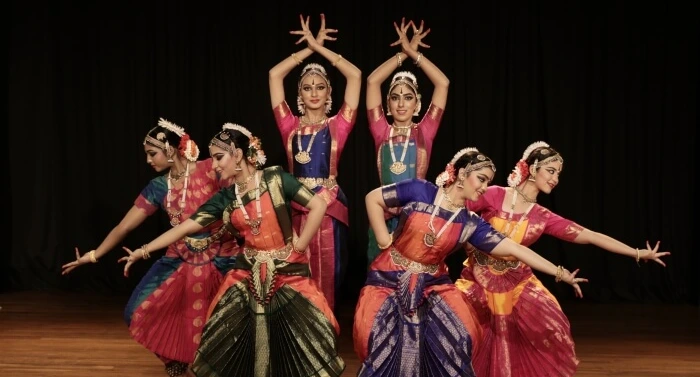
The Spiritual Origins of Indian Classical Dance
Indian classical dance began as a form of worship and spiritual expression. According to tradition, Lord Shiva, in his form as Nataraja, is regarded as the cosmic dancer who performs the Tandava, representing the cycle of creation and destruction. The Natya Shastra, authored by Sage Bharata, describes dance as the fifth Veda, intended to bring spiritual enlightenment to all parts of society. Historically, dances were performed by devadasis in temples, where every movement and step was an act of devotion. Thus, the connection between Indian classical dance and spirituality remains strong even in modern times.
Importance of Dance in Spiritual Growth
Dance holds a significant place in Indian culture, extending far beyond mere entertainment. It functions as a form of moving meditation that soothes the mind, purifies emotions, and uplifts the soul. With consistent practice, dancers learn to harness their energy (prana) and reach a state of mindfulness akin to yoga or meditation. Additionally, this practice enables individuals to release emotions they may have been holding in and achieve a greater sense of inner balance. Many who regularly engage in dance report experiencing deep peace and a stronger connection with their true self. Therefore, the value of dance lies in its ability to bring harmony between the body, mind, and spirit.
Indian States and Dance Forms: A Diverse Spiritual Heritage
Indian states and their unique dance forms highlight the vast cultural and spiritual diversity across the country. Each classical dance style, while distinct in expression, is deeply connected to Hindu philosophy and mythology.
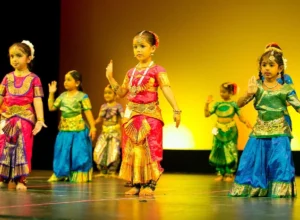
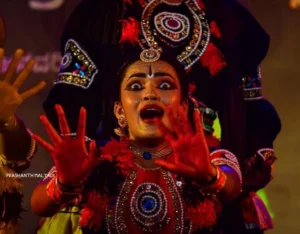
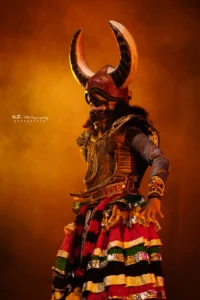
For example, Bharatanatyam from Tamil Nadu is famous for its precise footwork and expressive gestures, often telling stories of gods like Shiva and Vishnu. Odissi from Odisha is known for its graceful ‘tribhangi’ posture, which is closely linked to devotion to Lord Jagannath. Kathakali from Kerala uses intricate makeup and costumes to portray epic stories from the Ramayana and Mahabharata, leaving a strong spiritual impression on the audience.
Similarly, Kuchipudi from Andhra Pradesh, Manipuri from Manipur, Mohiniyattam from Kerala, Sattriya from Assam, and Kathak from Uttar Pradesh each reflect the spiritual values of their respective regions. This diversity shows how Indian classical dance brings together the spiritual heritage of the nation across different parts of the country.
Benefits of Dance for Body, Mind, and Soul
Dance offers both physical and spiritual benefits. Physically, it helps improve posture, flexibility, strength, and coordination. Mentally, the concentration needed during performance reduces stress and boosts focus. Spiritually, Indian classical dance is seen as a form of bhakti yoga. Dancers often enter a meditative state where they feel a divine presence. Practicing regularly is believed to awaken higher consciousness and develop traits like discipline, humility, and compassion. Many dancers describe their performances as moments of complete surrender, where the ego fades away and devotion takes over.
Semi Classical Dance: Bridging Tradition and Modernity
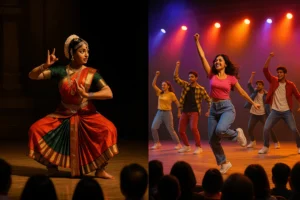
While rooted in tradition, semi classical dance creates a beautiful connection between classical purity and modern expression. Styles like fusion forms of Kathak and Bharatanatyam include elements of folk and contemporary movements while keeping their spiritual essence.
Semi classical dance makes spiritual themes more relatable to today’s audiences without losing their depth.
These performances often explore themes like love, devotion, and self-realization in a way that connects with the current generation. As a result, semi classical dance helps spread the spiritual message of Indian classical dance to a broader global audience.
How Indian Classical Dance Facilitates Spiritual Experience
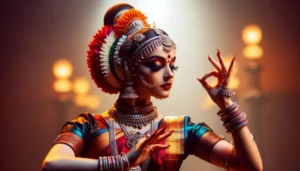
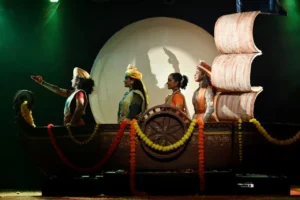
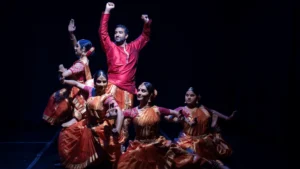
During an Indian classical dance performance, both the dancer and the spectator go on a shared spiritual journey. The use of mudras (hand gestures), facial expressions, and eye movements conveys deep emotions and stories from Hindu scriptures. When a dancer portrays Radha, Krishna, or Shiva, the audience often feels as though they have been transported to a higher spiritual realm.
Additionally, the blend of rhythm, music, and movement generates a strong energetic atmosphere that elevates the entire environment. Many spectators who attend these performances describe feeling emotionally healed or spiritually awakened. In this way, Indian classical dance remains a living spiritual practice, not just an artistic performance.
Preserving the Sacred Connection in Modern Times
In today’s fast-paced world, the spiritual essence of Indian classical dance requires deliberate preservation. The teacher-disciple tradition, temple performances, and spiritual festivals are essential in maintaining this connection. Young dancers are being increasingly encouraged to grasp the philosophical meaning behind each step and gesture. When taught with genuine intention, Indian classical dance becomes a strong means for personal growth and cultural continuity.
Conclusion
Indian classical dance is one of the most beautiful expressions of spirituality in Indian culture. It is not just a form of performance art but a sacred medium that connects both the practitioners and the audience with the divine. Rooted in ancient temple traditions, it continues to hold relevance today, showcasing the vital role of dance in fostering inner peace, emotional balance, and spiritual awakening.
Whether through pure classical styles or graceful semi-classical adaptations, the soul-stirring essence of these forms remains powerful. Exploring the diverse dance traditions of different Indian states and forms deepens our understanding and appreciation of India’s rich spiritual heritage.
In essence, Indian classical dance reminds us that movement can be a form of meditation and that art can be a form of prayer. Embracing this timeless tradition not only helps preserve cultural heritage but also enriches our spiritual lives in significant ways.
FAQs
The importance of dance in spirituality lies in its ability to serve as a moving meditation and form of devotion. Indian classical dance was created to convey spiritual ideas and bring audiences closer to the divine through storytelling and expressive movement
Each region has developed its unique style. For example, Bharatanatyam is from Tamil Nadu, Odissi from Odisha, and Kathakali from Kerala. These Indian states and dance forms showcase varied expressions of the same spiritual philosophy rooted in Hindu mythology.
The benefits of dance include reduced stress, improved focus, emotional release, and a deeper sense of inner peace. Practicing Indian classical dance often leads to spiritual growth by fostering mindfulness and a feeling of connection with something greater.
Indian classical dance strictly follows traditional rules and spiritual themes, while semi classical dance blends classical elements with lighter, contemporary expressions. Both maintain a spiritual core but semi classical dance makes the art more accessible to modern audiences.
Beginners should focus on learning the meaning behind mudras, expressions, and stories. Choosing a knowledgeable guru and attending live performances helps newcomers understand and feel the spiritual depth of Indian classical dance.