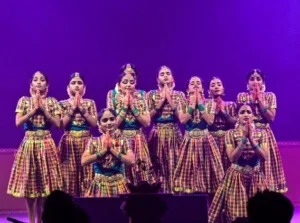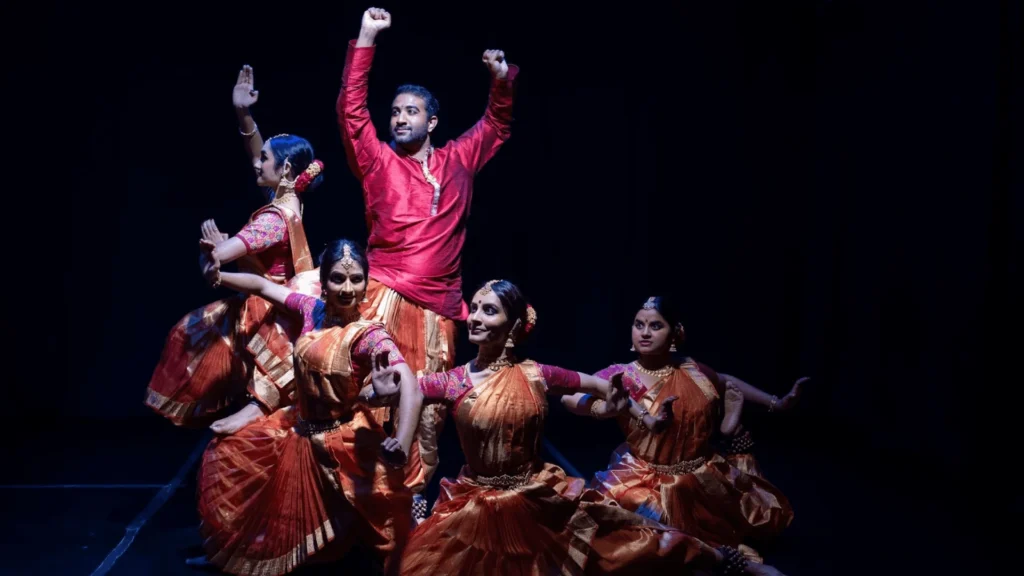
Indian art, with its wide range of classical dance, theater, folk traditions, painting, and performance, is more than just beautiful images or fun entertainment. It’s a living culture that tells stories from centuries ago, shows deep thinking about life, and is a key part of who India is. From the detailed movements of classical Bharatanatyam to the lively themes in folk art, Indian art has helped shape the country’s spirit.
But in today’s busy world filled with modern entertainment and digital distractions, keeping this artistic talent alive and teaching it to the next generation has become both a difficult task and an important goal.
The Heart of Indian Art - A Legacy of Excellence
Indian art has developed over thousands of years, taking in ideas from many different places, cultures, and beliefs.
Its various forms such as classical dance, music, painting, sculpture, theatre, and folk traditions are closely connected to spirituality, stories about society, community rituals, and shared history. Classical dance styles like Bharatanatyam, Kathak, Odissi, and Kathakali are not just shows; they are structured ways of expressing stories from mythology, feelings of humans, and the beauty of rhythm. Similarly, Indian theatre whether it’s the ritual-based Yakshagana from Karnataka or the traditional Kathakali from Kerala blends storytelling with deep human emotions in a very natural way.
Art is much more than just beauty; it’s a way to see and understand the world better. This idea is reflected in the mission of the performing arts group Nandagokula â Kaleyonde Kula Home of Indian Performing Arts, which sees art as a basic form of human expression. It includes both performances and cultural stories that have been shared from teachers to students, from older generations to younger ones, and from local communities to organized institutions. This passing down of knowledge and skills has helped keep Indian art alive for many generations.
Why Preserving Artistic Excellence Matters
1. Cultural Identity and Heritage
Indian art serves as a rich store of cultural identity. It reflects history, myths, religious beliefs, social traditions, and the values of communities. Traditional art forms like Phad from Rajasthan and Warli from Maharashtra are not just artistic expressions; they carry the stories of people, their connection with nature, and their spiritual beliefs. Keeping these art forms alive is essential for maintaining the heart and spirit of a community. If an art form disappears, the stories, ideas, and practices that made it meaningful may also vanish over time.
2. Educational and Emotional Growth
Art is a way for people to express themselves and bring about change. It helps young minds grow by encouraging creativity, discipline, emotional understanding, and a love for learning. Learning art in a structured way, such as through multimedia programs or performing arts, helps kids share their ideas, build confidence, and understand others through cultural expression.
This part of education is important not just for those who want to be artists, but for everyone in society. Art helps young people think critically, learn about different cultures, and get to know themselves better.
3. Economic Empowerment and Livelihoods
Preservation supports traditional artisans and performers by helping them earn a steady income. Many artisan communities don’t have reliable sources of money or access to markets. By bringing art back to life and promoting it through events like exhibitions, workshops, and public shows, artisans can find new ways to support themselves while passing down their skills and traditions.
This connection between art and long-term income is especially important in rural and tribal regions, where traditional art plays a key role in the local economy and culture.
4. Bridging the Past and the Future
Art serves as a link between different generations. It brings together old knowledge with fresh ways of thinking. Even though modern tools and worldwide influences help artists express themselves in new ways, it’s important to teach young artists the value of traditional skills. This helps keep creativity unique even when things change.
Places like museums, cultural hubs, and art schools are key in building this link. They help record, share, and display art forms that might otherwise be lost over time.
Role of Institutions and Communities in Preservation
Cultural and Educational Institutions
Several institutions in India have made cultural preservation their mission. For example:
- The Indira Gandhi National Centre for the Arts (IGNCA) works on recording, preserving, studying, and sharing Indian art forms, including dance and oral traditions. It uses digital resources and community programs to make cultural heritage available to both the general public and researchers.
- Traditional art schools such as the Kalakshetra Foundation in Chennai have been keeping classical dance and music alive for many years, training countless performers and educators over time.
These institutions provide organized education, opportunities to study historical materials, stages for showcasing performances, and ways to connect with the community, which help keep traditions alive and meaningful.
Cultural Groups and Community Platforms
Community art groups, such as the performing arm of Nandagokula known as Kaleyonde Kula, which is called the Home of Indian Performing Arts, arrange festivals, awards, theatre shows, and dance events. These activities highlight outstanding talent and give recognition to skilled artists. Recognizing successful individuals in areas like folk theatre, classical dance, or literature not only honors their efforts but also motivates young people to strive for excellence.
Inspiring and Empowering the Youth
Getting young people interested in traditional art isn’t just about teaching old skills. It’s about helping them feel excited, connected, and proud of their cultural heritage.
Active Participation Through Education
Including art in formal education, like through art labs, workshops, classroom activities, storytelling, and interactive methods, helps kids explore creative expression along with reading and math.
These programs challenge the idea that art is just a fun extra and show it’s an important part of a well-rounded education.
Showcasing Young Talent
Festivals, competitions, youth awards, and cultural events between schools give young artists a chance to display their talent and gain attention. These chances help build confidence, connect artists with others who share their interests, and create a supportive community for those who are just starting out.
Digital Engagement and Innovation
Even though traditions are deeply rooted in culture, they can be better kept alive through modern ways like digital archives, online lessons, virtual shows, and sharing stories on social media. These tools help new artists record, honor, and give new life to traditional art in ways that connect with today’s audiences.
Looking Ahead: A Culture That Thrives
In a changing world, Indian art whether classical, folk, or contemporary keeps changing, creating new ideas, and inspiring people. Yet, its true spirit must stay strong: a deep link to cultural knowledge, stories shared within communities, and the way people express themselves.
Keeping artistic quality alive isn’t just about protecting old things. It’s about keeping traditions going, giving people power, and making art relevant today. It means teaching musicians to feel the heartbeat of tradition, dancers to live out meaningful stories, and painters to let their strokes speak the voices of their ancestors.
It also means helping the next generation not just copy the past, but really understand it, reinterpret it, and bring it into the present in fresh and meaningful ways.
Conclusion
Preserving the high quality of Indian art is a complex task that involves culture, education, the economy, and emotions. It needs committed organizations, support from the community, and most importantly, involvement from the younger generation. When schools include art in their curriculum, when cultural spaces recognize talent, and when young people find joy in traditional art forms, Indian art continues to thrive not just as something displayed in museums, but as a lively and changing expression of identity and human experience.
As those who take care of this rich heritage, every artist, teacher, parent, and student has a part to play in making sure that the artistic brilliance of India ancient yet ever-lasting is not only remembered but experienced and celebrated by future generations.