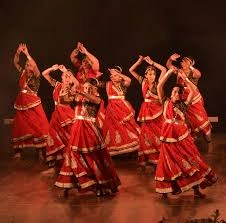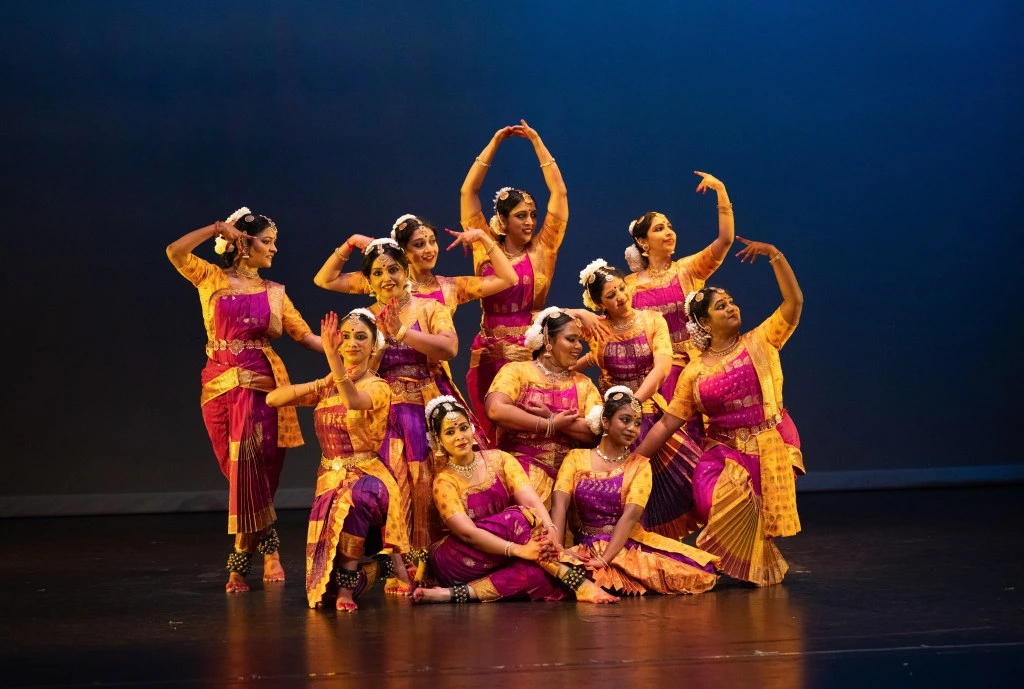
In today’s fast-paced world, young people often deal with stress from school, social media, and worries about the future. Many feel unsure of themselves and don’t get much chance to express who they really are. But getting involved in performing arts can make a big difference. Dancing and theatre help young people build important life skills and discover their own talents. These activities do more than just entertain they help shy kids become confident and ready to take on life’s challenges.
Dance and theatre create safe places where it’s okay to make mistakes and learn from them. Through movement and acting, kids and teens develop emotional strength, creativity, and better relationships with others. Because of this, taking part in the arts leads to all-around growth that goes far beyond the stage or practice space.
Importance of Dance in Education
The role of dance in education is very important. More and more schools are realizing that just focusing on traditional subjects isn’t enough to help students succeed in life. Dance brings together physical activity with learning that affects the mind and emotions, making it a great part of any school program. When kids take part in dance regularly, they often become more focused and disciplined.
It also helps them develop problem-solving skills as they learn to remember dance routines and change movements. Teachers have noticed that students who dance tend to do better in school. This is because dance helps with memory, body control, and thinking creatively. Because of this, many schools are now adding dance to their programs to help students grow in a balanced way.
In addition, dance helps make school a more inclusive place. Students from different backgrounds can work together, learn to respect each other, and build teamwork. So, the value of dance in education is that it helps connect people and helps students become more confident and understanding learners.
Role of Dance in Child Development
Dance plays an important role in helping children grow in many ways—physically, emotionally, and socially. From a young age, moving their bodies helps kids get to know themselves and the world around them. As they get older, dancing helps them improve their coordination, balance, and flexibility, while also building strength and staying active. On an emotional level, dancing gives kids a safe way to express how they feel.
When words aren’t enough, they can show happiness, frustration, or excitement through movement. This helps them manage their emotions and feel better. Also, performing in front of others helps them become more confident and less nervous, which makes them more comfortable in everyday situations.
Socially, dancing in groups teaches kids how to work together and talk to others. They learn to move in sync with their classmates, celebrate when they do well as a team, and accept advice that helps them improve. Because of all these benefits, dance is really important for helping kids grow into strong, confident, and socially skilled adults.
Benefits of Dancing for Creativity and Self-Expression
Dancing brings out some of the best parts of creativity. It gives people the chance to be spontaneous and show their own style, which helps young people explore new ideas in a safe way. For example, when kids make up their own dance routines, they are learning to think in different ways coming up with lots of possible solutions.
This kind of thinking helps them be more creative in school and better at solving problems in real life. Also, telling stories through movement helps build imagination and encourages unique ways of thinking.
Many parents notice that shy kids become more confident and friendly after they start dancing regularly. Being able to move freely and express themselves through music helps them develop a strong sense of who they are. Because of this, young dancers feel more sure of their own ideas and are more willing to share them with others.
Dance and Mental Health Benefits
Dance and its impact on mental health have become a big topic for researchers and those who work with young people. When people move their bodies regularly, it helps release endorphins, which are natural chemicals that make you feel happier and less anxious. Young people who dance often say they feel less stressed because dancing helps them stay focused on the present moment and be more aware of what’s happening right now.
In fact, many see dancing as a way to meditate while moving, which helps quiet down their minds. Also, reaching small goals, like learning a tricky dance move, can make them feel more confident and help them feel better about themselves. Another important part of dancing is the sense of community it brings. When young people dance together, they feel more connected, which helps reduce feelings of loneliness that are common these days. Because of all these benefits, adding dance to daily routines can be a fun and easy way to support mental health and overall well-being.
How Theatre Improves Communication Skills
How theatre helps improve communication skills is clearly seen during every rehearsal and performance. Participants work on speaking clearly, projecting their voice, and delivering lines with expression while learning to listen carefully and respond thoughtfully.
Through role-playing, young people get to explore different viewpoints and emotions. This helps them develop empathy and understand non-verbal signals like body language and facial expressions. As a result, children become better communicators both on and off the stage.
Additionally, theatre involves working together. Students discuss scenes, give and receive feedback, and make adjustments based on how the group interacts. These experiences help build stronger relationships and improve how youth interact in friendships, school assignments, and future jobs.
Benefits of Drama Classes for Kids
Drama classes for kids offer more than just fun. These organized programs help build discipline by requiring regular practice and dedication to putting on shows. Children learn to manage their time well as they juggle rehearsals with other tasks. Performing in front of an audience also helps them become more resilient, as they learn to deal with mistakes and keep going. Many children who are quiet or shy gain confidence and become better at speaking in front of others. Drama also helps kids be more creative by letting them come up with new ideas and develop characters. They create stories and emotions, which improves their ability to tell stories and think critically. All these benefits help kids grow into well-rounded individuals with important life skills.
Performing Arts for Confidence Building
Performing arts help build confidence by mixing the benefits of dance and theater into one complete method. When young people get ready for a performance, they put in work, face their fears, and feel happy when they succeed. Each time they perform well, they feel more sure of their abilities. Also, getting praise and positive comments from friends and teachers makes them feel good about themselves. Over time, this confidence helps them in school, with friends, and in dealing with personal issues.
What’s important is that performing arts focus on hard work, not on being perfect. This change in thinking helps young people accept growth and see mistakes as chances to learn. Because of this, the confidence they gain is real and lasts a long time.
Integrating Dance and Theatre for Maximum Impact
Combining dance and theatre brings more benefits. For instance, dance dramas mix smooth movements with storytelling, giving more creative ways to express ideas. Young people learn to share complex stories using their bodies and voices, which helps them understand emotions better. These kinds of programs also encourage teamwork on a bigger level. Members from different areas work together and support each other, which makes the group stronger. Because of this, being involved in both dance and theatre helps young people become more creative, confident, and well-rounded.
Conclusion
In conclusion, dancing and theatre really make a big difference in the lives of young people. These activities help boost creativity, improve the way they communicate, support their mental well-being, and build strong self-confidence. When parents and teachers encourage young people to take part in the performing arts, they’re giving them skills that will help them for a lifetime.
Whether it’s through beautiful dance moves or strong stage performances, young people find their voice and realize their abilities.
That’s why supporting dance and theatre is one of the best ways to help raise happy and capable future generations. Ready to help your child grow more confident and creative? Look into fun programs in dance and theatre. Find workshops, classes, and shows that are made to inspire and give young people the strength to shine through the power of the performing arts.
FAQs
The benefits of dancing include improved physical fitness, enhanced creativity, better emotional regulation, and increased self-confidence. Regular practice also supports social skills and mental well-being.
The importance of dance in education grows because it complements academics by developing discipline, focus, and creative thinking. Many schools now integrate dance to support holistic student development.
The role of dance in child development aids physical coordination, emotional expression, and social interaction. Children gain balance, resilience, and empathy through movement-based activities.
Benefits of drama classes for kids include clearer verbal and non-verbal communication. Children practice public speaking, active listening, and expressive delivery in a supportive environment.
Performing arts for confidence building help youth overcome stage fright, celebrate achievements, and embrace feedback. These experiences create lasting self-assurance that extends to all areas of life.