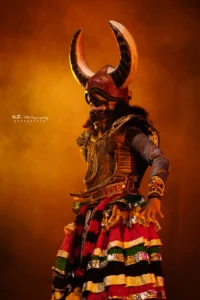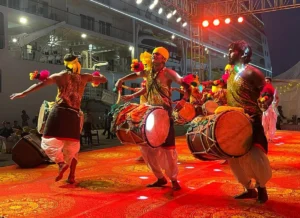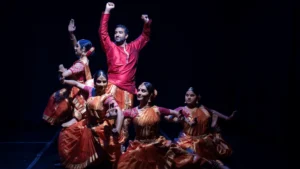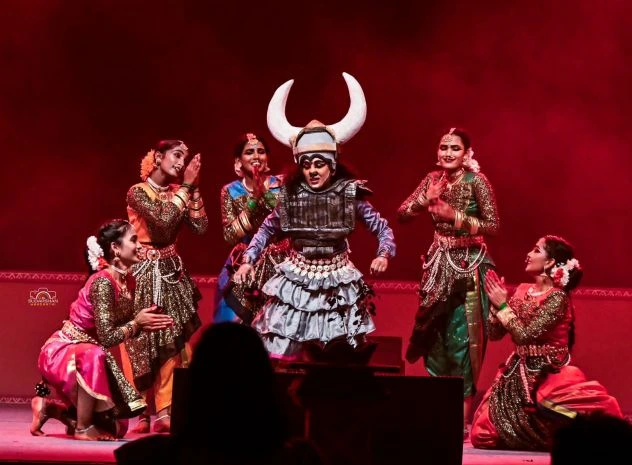
In the heart of Karnataka, where the rhythms of ancient traditions blend seamlessly with the pulse of contemporary life, lies a beacon of cultural devotion. Nandagokula, the performing arts wing of Arehole Prathishtana, embodies the essence of this fusion. Founded in 2014 under the umbrella of the trust established in 2011, Nandagokula stands as a testament to how art can transcend time, becoming a vessel for devotion, education, and social change. As we navigate an era dominated by digital distractions and rapid globalization, the preservation and promotion of Indian performing arts have never been more crucial. This blog explores the intersection of tradition and modern expression in these arts, spotlighting how organizations like Arehole Prathishtana are nurturing this legacy through festivals, awards, and educational initiatives.
The Timeless Appeal of Indian Performing Arts
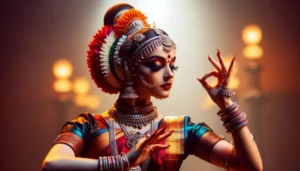
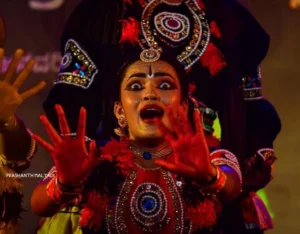
Indian performing arts are not mere entertainment; they are a profound expression of spirituality, history, and community. From the intricate footwork of Bharatanatyam to the dramatic narratives of Yakshagana, these forms have evolved over centuries, drawing from epics like the Ramayana and Mahabharata. Yet, in today’s fast-paced world, they face challenges such as urbanization, which erodes rural cultural practices, and the allure of Western media, which often overshadows indigenous expressions.
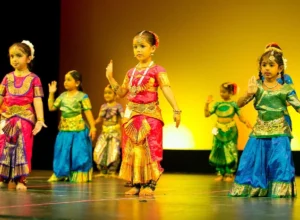
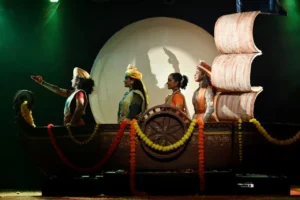
Nandagokula addresses this by embracing a diverse repertoire that includes Classical, Semi-Classical, Folk, Indian Contemporary, and other traditional/modern dance styles. Led by the talented dancer and theatre artist Kumari Shwetha Arehole, the group produces plays and dance dramas under renowned directors, ensuring that these arts remain relevant. For instance, their performances often reinterpret classical tales with contemporary themes, such as environmental conservation or gender equality, making them accessible to younger audiences. This approach not only preserves the core elements like mudras (hand gestures) and abhinaya (expressive acting) but also infuses them with fresh narratives that resonate with modern sensibilities.
The trust’s motto, “Culture lives where art becomes devotion,” encapsulates this philosophy. Art here is not performative in a superficial sense; it’s a devotional act that connects performers and audiences to their roots. In a society where mental health issues are on the rise, participating in or witnessing these arts can foster mindfulness and emotional catharsis, much like ancient rishis used dance and drama for spiritual enlightenment.
Honoring Excellence and Inspiring the Youth
One of the most impactful ways Nandagokula fosters this intersection is through its vibrant festivals. Events like Arehole Dibbana, Arehole Natakotsava, Arehole Sahithya Sourabha, and NruthyaVarsha serve as platforms where tradition meets innovation. NruthyaVarsha, in particular, is a dance festival that showcases a spectrum of styles, from the graceful Odissi to energetic folk dances of Karnataka’s coastal regions. These gatherings attract artists from across the state and beyond, creating a melting pot of ideas and collaborations.
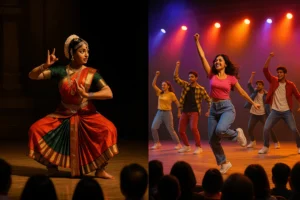
Imagine a stage where a classical Bharatanatyam dancer shares the spotlight with a contemporary fusion piece incorporating hip-hop elements. Such juxtapositions highlight how modern expressions can breathe new life into traditions without diluting their essence. Festivals also play a social role; they bring communities together, especially in rural areas like Byndoor Taluk in Udupi District, where Nandagokula is based. In these settings, performances become tools for education, addressing local issues like literacy and women’s empowerment through storytelling.
Moreover, these events promote inclusivity. Nandagokula’s commitment to supporting underprivileged communities means that festivals often include workshops for children from low-income families, teaching them basic dance and theatre skills. This not only preserves arts but also empowers the next generation, turning potential dropouts into passionate artists. In a broader context, such initiatives align with India’s National Education Policy, which emphasizes integrating arts into curricula for holistic development. By hosting these festivals, Arehole Prathishtana ensures that performing arts are not confined to elite urban circles but are democratized, fostering a sense of national pride and unity.
Educational Initiatives: Building the Future of Arts
At the core of Nandagokula’s efforts is education. The establishment of the Nandagokula Theatre School in Arehole is a landmark initiative, offering structured programs in theatre and dance. This school expands access to professional training, especially for those in remote areas who might otherwise lack opportunities.
The curriculum likely blends traditional gurukul-style learning where students live and learn under mentors with modern pedagogical methods, such as incorporating digital tools for choreography. Students learn not just techniques but also the philosophical underpinnings of arts, like the Natyashastra, an ancient treatise on dramaturgy. This holistic approach ensures that graduates are well-rounded, capable of innovating while respecting heritage.
Furthermore, the trust’s broader educational commitments include promoting literacy and supporting needy students. By tying arts education to general schooling, Nandagokula demonstrates how performing arts can enhance cognitive skills, such as memory and empathy, which are vital in today’s job market. Research from organizations like UNESCO supports this, showing that arts-integrated education improves academic performance and reduces dropout rates.
In a globalized world, these initiatives also prepare artists for international stages. Nandagokula performers have the potential to represent Indian culture abroad, blending tradition with global trends like world fusion dance. This not only preserves heritage but also positions India as a cultural powerhouse, contributing to soft power diplomacy.
Challenges and the Path Forward
Despite these efforts, challenges persist. Funding shortages, especially for non-profits, can limit outreach. The COVID-19 pandemic highlighted vulnerabilities, forcing many arts groups online, which, while innovative, can’t fully replicate live experiences. Climate change affects rural festivals, and generational shifts mean fewer young people are learning traditional forms.
Yet, Nandagokula’s model offers solutions. By leveraging social media for virtual performances and collaborations, they can reach wider audiences. Partnerships with government schemes like the Ministry of Culture’s initiatives could provide sustainable support. Encouraging corporate sponsorships through CSR programs would also help.
Looking ahead, the intersection of tradition and modern expression promises exciting evolutions. Virtual reality could allow immersive Yakshagana experiences, or AI might assist in composing new ragas for dances. Nandagokula, with its devotion to culture, is poised to lead this charge.
Conclusion:
In conclusion, organizations like Arehole Prathishtana and Nandagokula are vital guardians of Indian performing arts. Through festivals that ignite community spirit, awards that honor dedication, and schools that nurture talent, they ensure tradition thrives amid modernity. As we reflect on their motto, it’s clear that when art becomes devotion, culture not only survives but flourishes. For anyone passionate about heritage, supporting such trusts whether through attendance, donations, or participation is a step toward a richer, more connected society. Let us celebrate and sustain these arts, for they are the soul of our nation.
FAQs
Recognizing excellence inspires young people to work hard, grow their abilities, and chase their dreams with commitment. It also helps create a positive environment where effort and accomplishments are valued.
Awards and recognition highlight positive examples and success stories, encouraging young people to face difficulties, gain confidence, and achieve their best in different areas of life.
Important traits are having discipline, staying persistent, being creative, showing dedication, always learning more, and being open to facing challenges and getting better with experience.
Communities can offer guidance from experienced people, help with learning, teach new skills, provide financial support for education, and create spaces where young people can share their abilities and accomplishments.
Inspiring young people helps create future leaders, inventors, artists, and workers who make a good impact on society, push things forward, and motivate the next group of people to aim for their best.